

 EN

1470nm-vs-980nm-fibers-compared-in-endolaser-fat-reduction, 1470nm-vs-980nm-fibers-compared-in-endolaser-fat-reduction, /blog
EN
Choosing between 1470nm and 980nm fibers for endolaser fat reduction means weighing tissue interaction, treatment goals, and operating conditions rather than assuming one wavelength is universally better. Each laser lipolysis fiber delivers energy differently, so clinicians should match the selected wavelength to the intended tissue effect and their treatment protocol. A minimally invasive laser device also needs suitable controls and compatible accessories for the planned procedure.
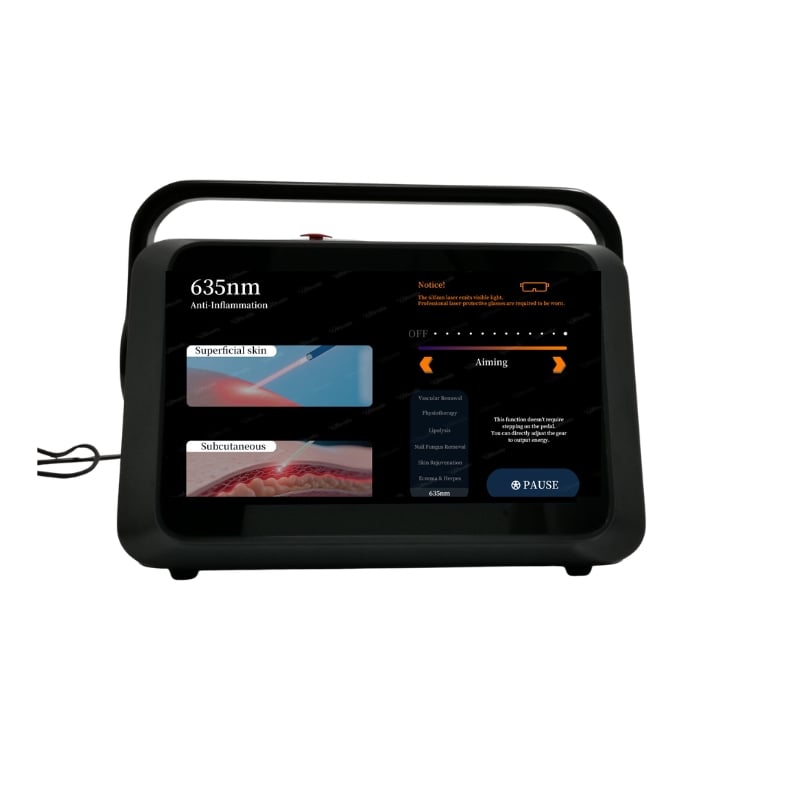
In practical terms, the comparison concerns how energy is absorbed and managed during an endolaser treatment, not a promise of a particular outcome. The laser lipolysis fiber, delivery settings, anatomical area, and clinician technique all influence the procedure. When assessing a minimally invasive laser device, consider the full system and intended use alongside wavelength.
At 1470nm, energy is absorbed relatively strongly by water-containing tissue, making the wavelength relevant when a protocol is designed around controlled local heating. In endolaser fat reduction, this interaction can support thermal effects near the fiber, but the clinical response depends on tissue characteristics and how energy is delivered. A laser lipolysis fiber must be used with appropriate settings and movement; wavelength alone does not determine the treated area or result. For an endolaser treatment, clinicians should assess the intended endpoint, anatomical location, and safety plan before choosing this option.
This absorption profile can make 1470nm a useful consideration when operators prioritize a defined, localized thermal interaction. It does not remove the need to manage energy, monitor technique, or follow device instructions. A minimally invasive laser device intended for this work should make relevant settings clear and support consistent handling. The endolaser workflow should also account for the fiber’s diameter, flexibility, and compatibility, since those practical features affect access and delivery independently of wavelength.
A 980nm wavelength has a different absorption balance, with interactions involving both water and hemoglobin. That distinction may matter when a clinician evaluates tissue response and the broader procedural objective. In endolaser planning, it is more useful to compare expected energy distribution and protocol requirements than to treat 980nm as a direct substitute for 1470nm. The laser lipolysis fiber still needs suitable dimensions and a controlled delivery method, while an endolaser treatment must be planned around the patient and target area.
Neither wavelength should be judged in isolation from power, exposure time, fiber movement, and the tissue being treated. A minimally invasive laser device can offer a wavelength choice, but the clinical team must understand how its controls affect delivery. During endolaser use, consistent technique helps make the intended approach repeatable; it does not guarantee identical responses across patients. Comparing the two options therefore starts with the specific protocol and its monitoring requirements, then considers the wavelength that fits those needs.
Start by defining the intended tissue effect, treatment area, and operating approach. Then assess whether 1470nm or 980nm better fits the planned energy interaction and the clinician’s training. The endolaser system should be evaluated for compatibility with the selected laser lipolysis fiber, available controls, and instructions for use. An endolaser treatment plan should state the intended settings and monitoring approach before the procedure begins.
The comparison should also include practical details such as fiber handling, access requirements, and the operator’s familiarity with the technology. A minimally invasive laser device is only suitable when its configuration supports the intended procedure and trained users can follow its operating guidance. Consider how the chosen endolaser approach will be documented and reviewed, including any limits set by the device labeling. These checks help keep the wavelength decision tied to a real clinical workflow rather than a specification sheet alone.
The wavelength is only one part of the delivery chain. Fiber construction, connection type, intended use, and handling instructions all matter when selecting a laser lipolysis fiber. Confirm that the fiber is compatible with the system and that its instructions support the planned procedure. In endolaser practice, mismatch between accessories and equipment can disrupt workflow or create avoidable uncertainty. An endolaser treatment should proceed only when the complete setup is understood and checked by qualified staff.
System review should include the clarity of controls, maintenance requirements, and the availability of procedural information for both wavelength options. A minimally invasive laser device may support multiple applications, but that does not mean every configuration is appropriate for fat reduction. Verify the selected mode, fiber, and intended use against the device documentation. For endolaser planning, a clear pre-procedure check helps staff confirm that the equipment and protocol align without relying on assumptions about what a wavelength can do.
Patient assessment and clinician competence should guide the final selection. Consider the treatment area, relevant health factors, expected tissue response, and whether the procedure is appropriate for the individual. The laser lipolysis fiber should be used only as directed, with a trained operator following established safeguards. An endolaser treatment requires informed discussion of the procedure, realistic expectations, and potential risks. Wavelength selection is one component of that decision, not a substitute for clinical judgment.
Before use, confirm training, device readiness, protective measures, and access to the manufacturer’s instructions. A minimally invasive laser device should be operated within its labeled purpose, with settings selected by qualified personnel. Establish how the team will monitor the procedure and respond if conditions change. These steps support a controlled endolaser workflow while recognizing that individual outcomes vary. They also make comparisons between 1470nm and 980nm more meaningful because the decision is grounded in a defined protocol.
Document the rationale for wavelength choice, equipment configuration, fiber type, and relevant settings. Consistent records help a clinical team review whether its endolaser protocol was followed and identify questions for future training. The laser lipolysis fiber and device instructions should be referenced when relevant, rather than relying on memory. An endolaser treatment record can also support continuity of care and clear communication among qualified staff.
When a service evaluates its process, review handling, workflow, and safety procedures alongside clinical observations. A minimally invasive laser device should be assessed against its intended use and the needs of the practice, not just its available wavelengths. Keep the comparison focused: 1470nm and 980nm have different tissue absorption profiles, while protocol, equipment, and operator decisions shape their practical application. That balanced approach supports a reasoned choice without claiming one fiber is right for every case.
No. The suitable wavelength depends on the intended tissue interaction, treatment plan, equipment, and clinician expertise. An endolaser treatment should be selected through clinical assessment, not wavelength alone.
Confirm system compatibility, fiber instructions, intended use, and operator training. A laser lipolysis fiber should match the planned setup, and staff should understand the controls of the minimally invasive laser device.
Some systems may offer more than one wavelength, but users must confirm the device configuration and labeling. For endolaser use, a minimally invasive laser device should be operated only by qualified personnel following its instructions.

