

 EN

acute-vs-chronic-stage-protocols-in-shockwave-therapy-work, acute-vs-chronic-stage-protocols-in-shockwave-therapy-work, /blog
EN
Acute and chronic conditions call for different decisions in shockwave therapy. The key difference is not simply how long pain has been present: clinicians must consider tissue irritability, diagnosis, healing stage, functional limits, and the purpose of treatment. Extracorporeal shockwave is a modality choice within a wider care plan, not a substitute for clinical assessment.
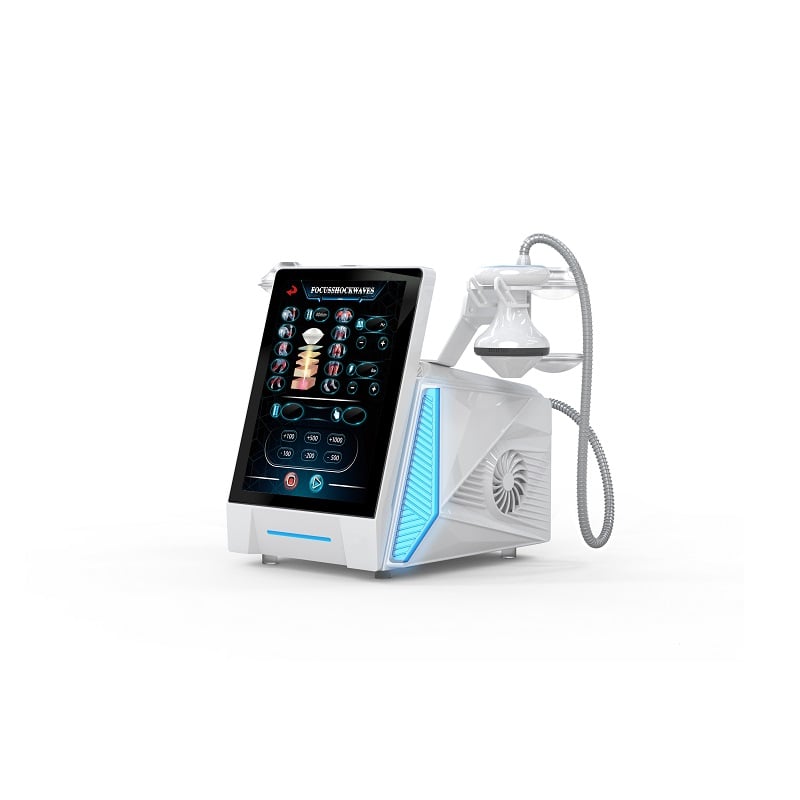
A useful protocol therefore starts by distinguishing a recently irritated or injured area from a persistent tendon or other musculoskeletal problem. That distinction shapes whether shockwave treatment is appropriate now, which outcomes to monitor, and how to coordinate sessions with loading and recovery. This guide explains those differences in practical terms without treating acute and chronic labels as automatic prescriptions.
In an acute presentation, symptoms have appeared or worsened recently, and the area may be highly sensitive, swollen, or painful with ordinary movement. First clarify the cause and rule out conditions requiring different or urgent care. Shockwave therapy should not be selected solely because pain is localized; the clinician needs a working diagnosis and a reason to expect the modality to support the treatment plan.
Timing matters because a new injury may still be in a reactive phase. Consider tissue status, trauma history, pain response, and whether the patient can tolerate examination and basic loading. Extracorporeal shockwave may be deferred when the presentation is unstable or the diagnosis is uncertain. In musculoskeletal therapy, protecting the area and obtaining appropriate assessment can take priority over initiating a device-based intervention.
Persistent symptoms often involve recurring load sensitivity, reduced capacity, or limited response to a previous rehabilitation approach. Chronicity alone does not establish suitability for shockwave treatment. Confirm that the suspected tissue and clinical findings fit an indication, review previous care, and identify barriers such as ongoing overload or poor recovery. These details help distinguish a treatable persistent tendon problem from pain with another driver.
For a chronic case, set a baseline that connects symptoms to function: a work task, walking tolerance, sport demand, or a reproducible movement. Shockwave therapy can then be judged against meaningful change rather than a vague impression after a session. Extracorporeal shockwave is most useful within musculoskeletal therapy when the target, rationale, and measurable goal are clear to both clinician and patient.
When treatment is considered during an acute phase, the immediate goal is not to force a strong response. Establish a tolerable approach, explain expected sensations, and reassess symptoms during and after the intervention. If pain escalates substantially or function deteriorates, pause and review the diagnosis and plan. Shockwave treatment should be guided by the individual response, not by a routine setting applied to every recent complaint.
Coordinate any modality with the broader acute-care strategy. Modify activities that provoke symptoms, preserve appropriate movement, and progress loading only as the presentation allows. In this setting, shockwave therapy does not replace protection, education, or graded rehabilitation. The clinician should also explain that evidence and suitability differ by condition, so an acute protocol cannot be assumed from results in chronic tendinopathy research.
For persistent tendinopathy or another suitable chronic condition, treatment usually supports a longer rehabilitation process. Agree on a functional target, consider the patient's current loading capacity, and coordinate extracorporeal shockwave with strengthening or other appropriate exercise. A session is one element of musculoskeletal therapy; it does not itself restore capacity for repetitive work, sport, or daily activity.
Use the device and treatment parameters specified by training, clinical guidance, and the applicable protocol for the condition. Avoid assuming that higher intensity or more frequent sessions produce better results. Shockwave treatment should be adjusted to tolerance and response, while exercise load is progressed in a planned way. Record the treated site, relevant settings, immediate response, and any changes to the patient's activity plan.
After an acute intervention, review the response over an appropriate period rather than judging success from a single moment. Ask about pain, swelling, sleep, and the activity that was limited before treatment. A worsening pattern, new symptoms, or unexpectedly poor tolerance should trigger reassessment. Shockwave therapy is not a reason to continue when the clinical picture changes or the original diagnosis becomes less convincing.
Document why treatment was chosen and what would lead to a change in plan. That makes follow-up more useful and helps distinguish normal short-term sensitivity from a concerning response. In acute care, the threshold for reconsidering the approach should remain low, particularly when the cause is unclear. Musculoskeletal therapy works best when each intervention follows ongoing clinical reasoning rather than a fixed schedule.
For chronic cases, reassess at planned intervals using the same functional measure and symptom context established at baseline. Look for changes in task tolerance, load response, and participation, not only pain at rest. If shockwave treatment is not contributing to a meaningful trend, reconsider the diagnosis, loading plan, adherence, and other factors affecting recovery instead of extending sessions automatically.
Shared decisions are important because improvement may take time and vary by condition. Explain the intended role of extracorporeal shockwave, the limits of what can be predicted, and the alternative steps available if progress stalls. A clear review point helps patients understand when to continue, modify, or stop. This approach keeps shockwave therapy accountable to functional outcomes and integrates it with the rest of musculoskeletal therapy.
Sometimes, but the diagnosis, tissue status, and treatment rationale must support it. A recent injury is not automatically suitable. Assessment and symptom irritability guide whether shockwave treatment should be considered, deferred, or avoided while other care takes priority.
Persistent problems often need a coordinated plan that addresses load tolerance and function over time. Extracorporeal shockwave may support care for selected conditions, but it should be paired with appropriate rehabilitation and reviewed against agreed goals rather than used as a standalone solution.
Set a baseline, choose a review interval, and track symptoms alongside a relevant task or activity. Continue only when the rationale remains sound and the response supports the plan. Reassess diagnosis, dosing approach, and rehabilitation if progress is absent or symptoms worsen.

