

 EN

body-slimming-machine-buying-guide-comparing-technologies-and-suppliers, body-slimming-machine-buying-guide-comparing-technologies-and-suppliers, /blog
EN
A body slimming machine buying guide should help you compare what a device is designed to do, how it fits your service model, and whether a supplier can support it over time. The first decision is to define the intended treatment and client pathway. Terms such as endolaser, endolift laser, and diode laser hair removal machine may appear in the same search or supplier catalog, but they do not automatically describe equivalent body-contouring technologies.
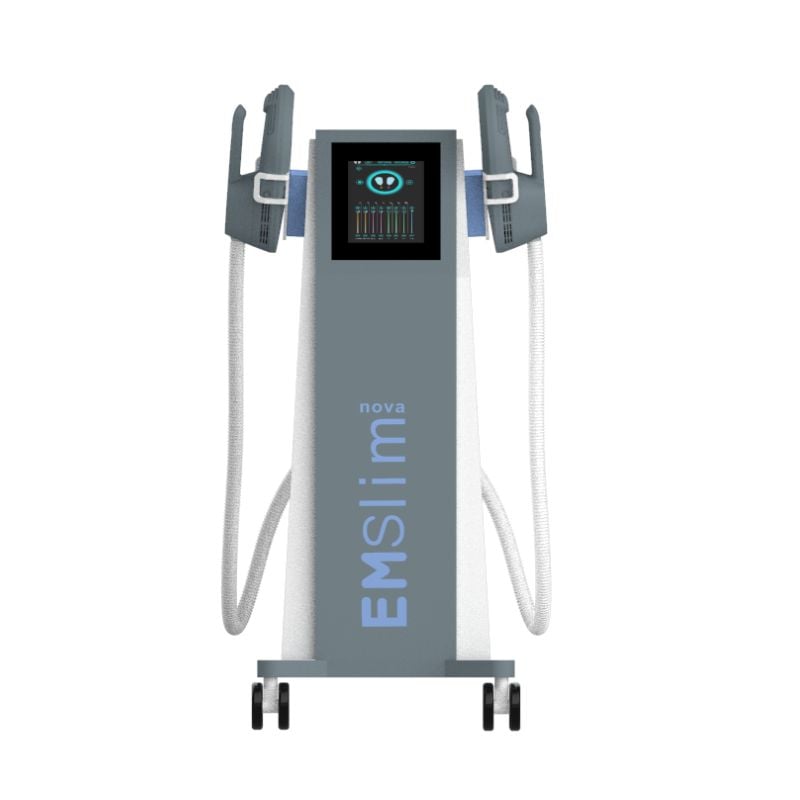
Use this guide to separate technology claims from operational requirements before requesting quotes. A body slimming machine should be assessed against your facility, staff qualifications, treatment menu, and evidence needs. Compare suppliers on documentation and service as carefully as you compare the equipment itself.
Start by asking what physical modality the device uses and which treatment it is intended to support. An endolaser may be described in relation to laser-based procedures, while an endolift laser may refer to a different application and operating approach. A diode laser hair removal machine is generally associated with hair reduction, not the same service objective as a body-contouring system.
These distinctions matter when comparing catalogs: an endolaser listing does not establish that a device reduces body measurements, and endolift laser terminology does not prove that the equipment suits your planned protocol. Likewise, a diode laser hair removal machine may expand a clinic’s hair-removal menu without meeting a demand for body shaping. Request the exact intended use, operating method, and treatment area for every model.
Once the category is clear, compare how the proposed system is used in a session, what preparation is required, and what staff training is expected. If a supplier also offers endolaser equipment, ask whether its instructions and indications are separate from those for the body device. Treat endolift laser as a distinct category until the supplier provides documentation explaining the application.
The same discipline applies to a diode laser hair removal machine: evaluate it for hair-removal demand, rather than assuming it can substitute for body-contouring equipment. A useful comparison records intended client, treatment area, session workflow, contraindication screening, and aftercare. This prevents a broad technology label from outweighing the practical fit of the actual device.
Ask each supplier for the device’s technical specifications, user instructions, applicable compliance documents, warranty terms, and training details. If endolaser or endolift laser appears in promotional material, request clarification on the exact model and treatment application rather than relying on a category name. For a diode laser hair removal machine, check the same core documents while confirming that the materials address its intended hair-removal use.
Documentation should be specific enough for your clinical or salon governance process. Confirm who is expected to operate the equipment, what onboarding is included, and how the supplier handles questions after installation. A supplier discussing endolaser should distinguish that product’s instructions from body-contouring guidance; endolift laser references should also be tied to a specific device. Avoid treating a diode laser hair removal machine brochure as evidence for another service category.
A purchase price is only one part of the decision. Ask about delivery, setup, staff education, warranty coverage, maintenance arrangements, consumables, and response channels for technical support. If a quote bundles an endolaser or endolift laser with other equipment, identify the price and support terms for each device separately. This makes the offer easier to compare with a standalone body system.
For a diode laser hair removal machine, clarify whether service coverage, replacement components, or training are priced separately; apply the same questions to the body-contouring purchase. Request written terms and check whether support remains available after the initial training period. Supplier responsiveness during evaluation can reveal how clearly the company communicates, but it is not a substitute for enforceable documentation.
Map the proposed treatment into your operating day before committing. Consider room dimensions, electrical requirements, setup time, cleaning, client positioning, session length, and the number of trained operators. An endolaser workflow may require different room preparation from an endolift laser service, while a diode laser hair removal machine brings its own scheduling and screening needs.
Do not infer that one device can cover all these workflows because a supplier groups products together. Ask for a practical demonstration or training outline that follows the full session sequence, including pre-treatment checks and equipment shutdown. Where an endolaser is part of the planned menu, document its workflow separately. Keep endolift laser and diode laser hair removal machine requirements distinct in staffing and room plans.
Use a written scorecard based on your own priorities: intended service fit, clarity of documentation, ease of training, space and utilities, service response, warranty terms, and total ownership cost. Record the supplier’s answer and the supporting document for each point. If endolaser, endolift laser, or a diode laser hair removal machine appears in the same proposal, score each device against its own intended use instead of blending categories.
Before approval, review unresolved questions with the people who will operate, maintain, and oversee the equipment. Confirm that the selected body-contouring system matches an actual client need and that the supplier can support safe, consistent operation within your policies. This process produces a defensible decision, whether the final purchase is one device or part of a wider service expansion.
Not by default. A diode laser hair removal machine is associated with hair-removal services, while body-contouring equipment is selected for a different service objective. Check the model’s stated intended use and documentation before considering any crossover.
Request specifications, user instructions, compliance documentation relevant to your market, training details, warranty terms, and written service arrangements. Clarify intended use and separate costs for the exact model being quoted.
Compare the operating method, treatment application, workflow, staffing needs, and evidence supplied for each device. Similar terms do not establish equivalent use, so base the decision on model-specific documentation and your facility’s service plan.

