

 EN

builtin-protocols-vs-manual-control-modes-on-shockwave-machines, builtin-protocols-vs-manual-control-modes-on-shockwave-machines, /blog
EN
Choosing between built-in protocols and manual controls is a workflow decision, not simply a question of which interface looks simpler. A shockwave machine may offer guided settings, hands-on adjustment, or both. The right approach depends on how clinicians assess patients, tailor treatment, and document what they do.
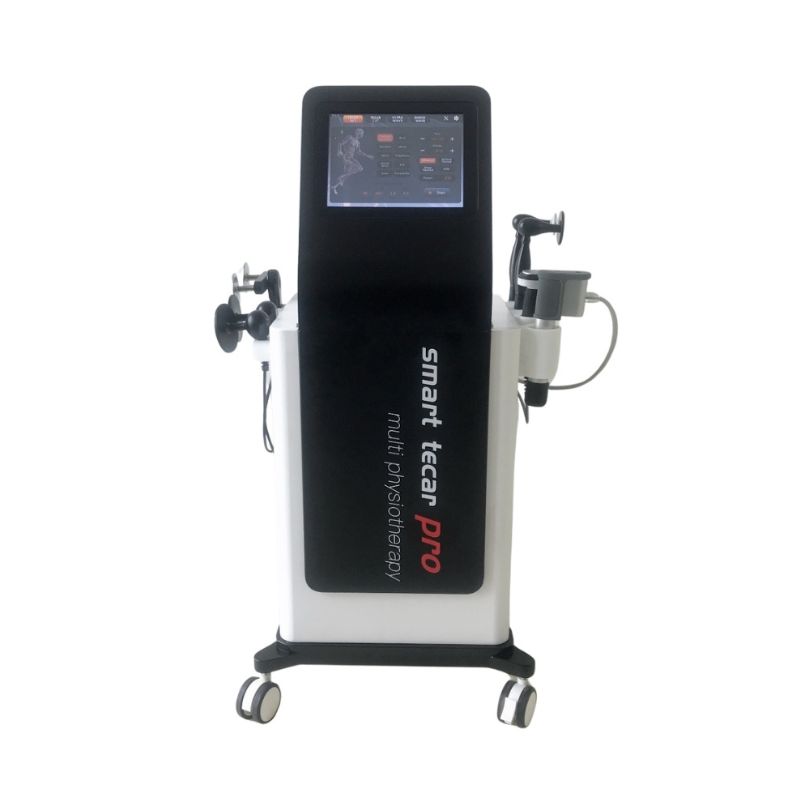
Built-in protocols can support consistency and reduce setup steps, while manual modes allow the practitioner to adjust parameters directly. A shockwave device should make these choices understandable, and a shockwave unit should fit the clinic’s training and record-keeping practices. In physiotherapy shockwave care, neither mode replaces assessment, clinical judgment, or the manufacturer’s instructions.
A preset protocol groups selected operating parameters into a named starting point. On a shockwave machine, this can help a clinician move from patient assessment to setup without rebuilding every setting from memory. A shockwave device with clear protocol labels can also help staff understand which treatment pathway they have selected.
The practical value is a more organized workflow, not an automatic clinical decision. Staff still need to confirm that the chosen pathway matches the treatment area, patient presentation, and device instructions. A protocol may be useful as a repeatable starting point, but the practitioner remains responsible for deciding whether it is appropriate.
Built-in settings may make it easier for a team to begin comparable sessions from a shared reference. When a shockwave unit displays a protocol name and its relevant settings clearly, a clinic can reduce ambiguity during handovers. Physiotherapy shockwave sessions can then follow a more consistent setup process while still allowing individual assessment to guide care.
Presets should not be mistaken for universal prescriptions. Two patients with a similar complaint may differ in sensitivity, treatment history, goals, or tolerance. A shockwave machine used with protocols still requires a clinician to check the patient and the selected settings; a shockwave device cannot determine suitability from a label alone.
Manual mode places parameter selection directly in the practitioner’s hands. This can suit clinicians who want to adjust settings in response to assessment findings, patient feedback, or a treatment plan that does not map neatly to a preset. With a shockwave machine, that flexibility can make the session feel more deliberately tailored.
More control also brings more responsibility. The operator needs to know what each adjustable setting does, how changes affect the treatment process, and which limits apply. A shockwave device should present controls and instructions clearly; staff training should cover safe operation rather than assuming that a familiar interface guarantees correct choices.
Manual selection can make accurate documentation especially important. A clinic should record enough information to explain how settings were chosen and to support continuity at a later appointment. For a shockwave unit, this may mean agreeing on a consistent way to note the treatment approach, observed response, and any adjustments made during a session.
A written workflow can reduce variation without removing practitioner judgment. In physiotherapy shockwave practice, teams can define who is trained to use manual settings and when a second review is appropriate. A shockwave machine used this way supports individualized decisions, while the clinic’s process helps keep those decisions understandable and auditable.
The best fit depends on how often staff share equipment, how much protocol variation the clinic needs, and how experienced operators are with the treatment method. A shockwave device used by a mixed-experience team may benefit from guided starting points, while a specialist service may value more direct adjustment. Neither condition alone determines the right choice.
Review actual clinic scenarios before selecting a default. Consider onboarding, busy-session setup, unusual presentations, and how clinicians communicate decisions. A shockwave unit should support the work the team performs rather than force staff into a control style that conflicts with established assessment and documentation practices.
During evaluation, check whether protocol names are understandable, whether settings are visible before activation, and whether manual adjustments are straightforward to verify. Ask how staff learn the controls and how the instructions address limits or contraindications. In physiotherapy shockwave settings, usability should be considered alongside clinical governance and routine equipment checks.
A hybrid interface may offer a practical middle ground: protocols provide an initial structure, and authorized users can make considered adjustments when appropriate. Before adopting that workflow, define who may change settings and how those changes are recorded. A shockwave machine should fit the clinic’s training plan; a shockwave device should not encourage unreviewed shortcuts.
No. They offer a structured starting point, but clinicians must assess the patient, confirm suitability, and follow the operating instructions. A protocol does not make an individual treatment decision.
It can suit practitioners who understand the available settings and need direct adjustment, but experience alone is not enough. A shockwave unit still requires training, clear procedures, and appropriate documentation for physiotherapy shockwave care.
Yes, if the equipment supports both and the clinic defines when each is used. A shockwave machine may combine guided protocols with manual adjustment, while a shockwave device can support that workflow when staff follow consistent training and review practices.

