

 EN

capacitive-vs-resistive-tecar-modes-for-different-tissues, capacitive-vs-resistive-tecar-modes-for-different-tissues, /blog
EN
Choosing between capacitive and resistive tecar modes depends on the tissue being targeted, its depth, and the treatment objective. In tecar therapy, these modes shape how energy is concentrated and how the clinician adapts contact, intensity, and movement. Understanding that distinction helps practitioners plan treatment around tissue characteristics rather than treating every area in the same way.
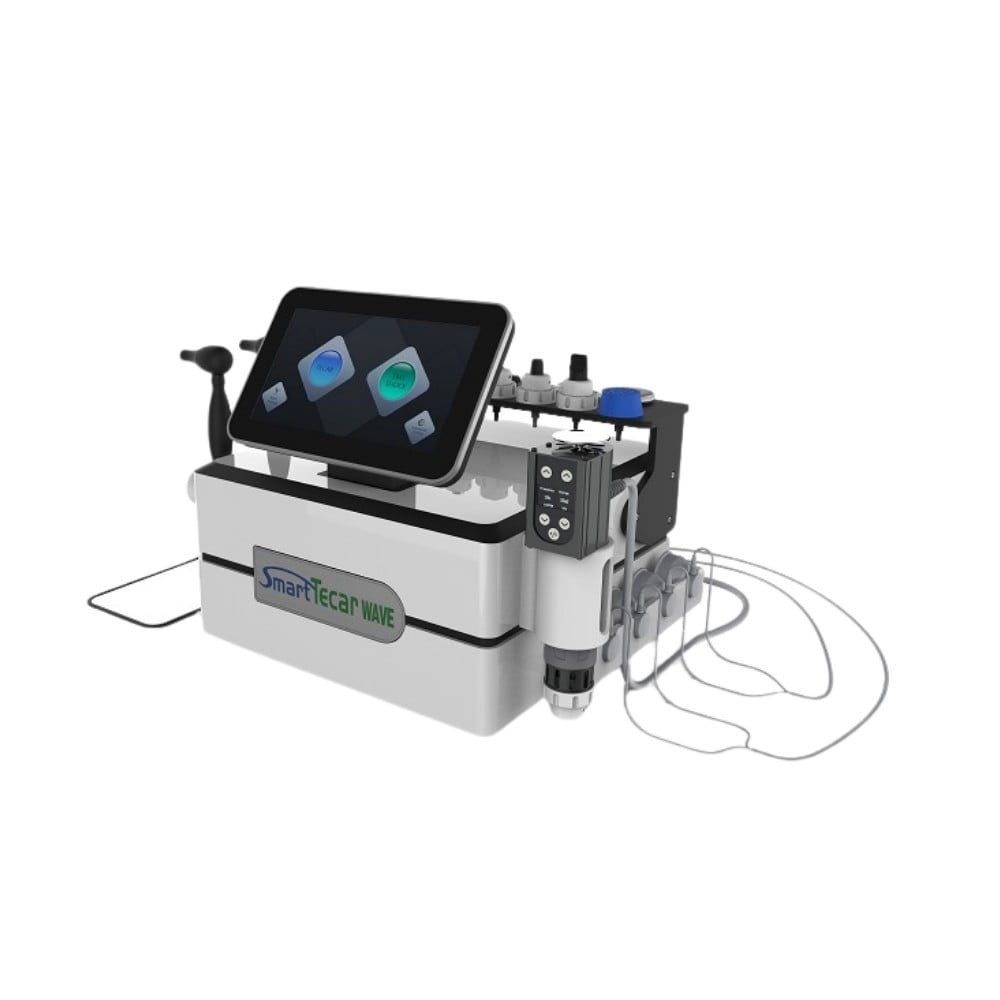
Neither mode is automatically better for every patient or body region. Capacitive resistive electric transfer describes two complementary approaches: capacitive mode is generally selected for more superficial, water-rich soft tissues, while resistive mode is often used when focusing on denser structures. A radiofrequency therapy device should therefore be selected and adjusted with anatomy, sensation, and clinical goals in mind.
Capacitive treatment uses an insulated electrode and a return plate to influence energy distribution toward tissues with relatively high water content. This makes it a common consideration for superficial muscles and other soft-tissue regions. During tecar therapy, the clinician keeps the applicator moving and checks comfort, since warmth should remain tolerable rather than becoming an end in itself.
For broad muscle areas, capacitive resistive electric transfer gives clinicians a way to focus treatment on the more superficial layer before changing technique or mode. The choice still depends on the presentation, not simply the body part. A radiofrequency therapy device can support a controlled session, but electrode contact, movement, and settings all influence the patient’s experience.
Resistive mode uses a non-insulated electrode and is commonly selected when the clinician wants to work with tissues that are less water-rich or feel structurally denser. Examples may include tendinous or periarticular areas, depending on the treatment plan. Deep heat therapy is a possible sensation or objective, but the mode does not guarantee a particular tissue response.
In practice, resistive tecar treatment calls for careful attention to electrode placement and patient feedback. Capacitive resistive electric transfer is useful as a clinical distinction, not as a promise that energy reaches one isolated structure. With a radiofrequency therapy device, the practitioner should use the manufacturer’s instructions and adjust treatment to the individual rather than assume deeper application is always preferable.
When the intended area is a broad, superficial muscle group, capacitive mode may be a practical starting point. The clinician can move across the region while monitoring comfort and the tissue response. In tecar therapy, this approach can suit a preparatory phase or a plan focused on soft tissue, provided the clinical assessment supports its use.
A capacitive resistive electric transfer approach allows the practitioner to begin with one tissue emphasis and reassess before changing modes. The sensation should not be used as the sole measure of treatment effect. A radiofrequency therapy device should be operated within appropriate settings, and deep heat therapy should be treated as a possible experience rather than a required endpoint.
For a localized tendon or joint-region plan, a clinician may consider resistive mode because the target is denser than surrounding superficial muscle. The decision should follow assessment of the condition, sensitivity, and treatment goals. Deep heat therapy may inform patient expectations, but tissue selection still requires clinical judgment and ongoing communication.
Resistive mode is not a shortcut to a specific depth, nor does it replace diagnosis or other care. During tecar therapy, the practitioner should consider electrode size, contact, movement, and the area’s tolerance. Capacitive resistive electric transfer helps describe the available modes, while the patient’s response helps guide whether the selected approach remains appropriate.
Where an area contains both superficial and denser tissues, clinicians may sequence modes according to the treatment rationale rather than choosing one for the entire session. A radiofrequency therapy device can be used to make that adjustment when its functions and instructions support it. Documenting the target and observed response helps keep each session purposeful.
Before applying either mode, identify the intended tissue, the reason for treatment, relevant precautions, and the patient’s ability to report sensation. Discuss expected warmth and agree on a clear way to pause. In tecar therapy, these basic steps help clinicians respond promptly if comfort changes during application.
Capacitive resistive electric transfer should be understood alongside the device’s operating guidance and the clinician’s training. Begin conservatively, maintain suitable electrode contact, and reassess as treatment proceeds. Deep heat therapy is not an appropriate goal for every patient or tissue; a comfortable, monitored application matters more than pursuing a strong thermal sensation.
If the treatment objective or tissue emphasis changes, the clinician can reconsider the mode rather than continue by habit. A radiofrequency therapy device may offer controls for this adjustment, but the practitioner must understand the specific system. Clear notes about the selected mode, target region, settings, and patient response support consistent follow-up.
The most useful comparison is therefore functional: capacitive mode commonly suits superficial, water-rich soft tissue, while resistive mode is often considered for denser targets. Capacitive resistive electric transfer does not create a universal tissue map, and individual anatomy varies. Match the method to the clinical question, then reassess instead of assuming one mode fits every session.
A clinic evaluating a tecar system should check that controls, electrodes, and instructions make the intended workflow clear. The tecar platform should suit the clinician’s treatment setting and training. A radiofrequency therapy device is a tool; safe use depends on appropriate screening, technique, and monitoring.
Capacitive mode is commonly considered for superficial, water-rich soft tissue, including many muscle applications. The right choice still depends on assessment and the patient’s response. During tecar therapy, clinicians should monitor comfort and follow the instructions for their equipment rather than rely on a mode label alone.
No. Deep heat therapy is not guaranteed by selecting resistive mode. Sensation and tissue response vary with the person, application, and settings. Capacitive resistive electric transfer describes different energy approaches, but it does not ensure a specific depth or outcome; clinicians should avoid using warmth alone as proof of effectiveness.
A clinician may change modes when the treatment rationale supports it and the device instructions allow it. Reassess the target, comfort, and response before adjusting. A radiofrequency therapy device should be operated by appropriately trained staff, with settings and technique selected for the individual rather than changed automatically.

