

 EN

common-causes-of-skin-reactions-after-diode-laser-hair-removal, common-causes-of-skin-reactions-after-diode-laser-hair-removal, /blog
EN
Skin reactions after diode laser hair removal are often temporary, but they should be understood rather than dismissed. A diode laser hair removal machine directs energy toward pigment in the hair, and the surrounding skin can respond to heat or treatment conditions. Knowing how a hair removal laser works, what an 808nm diode laser session involves, and how a professional hair removal device is operated helps practitioners identify likely causes.
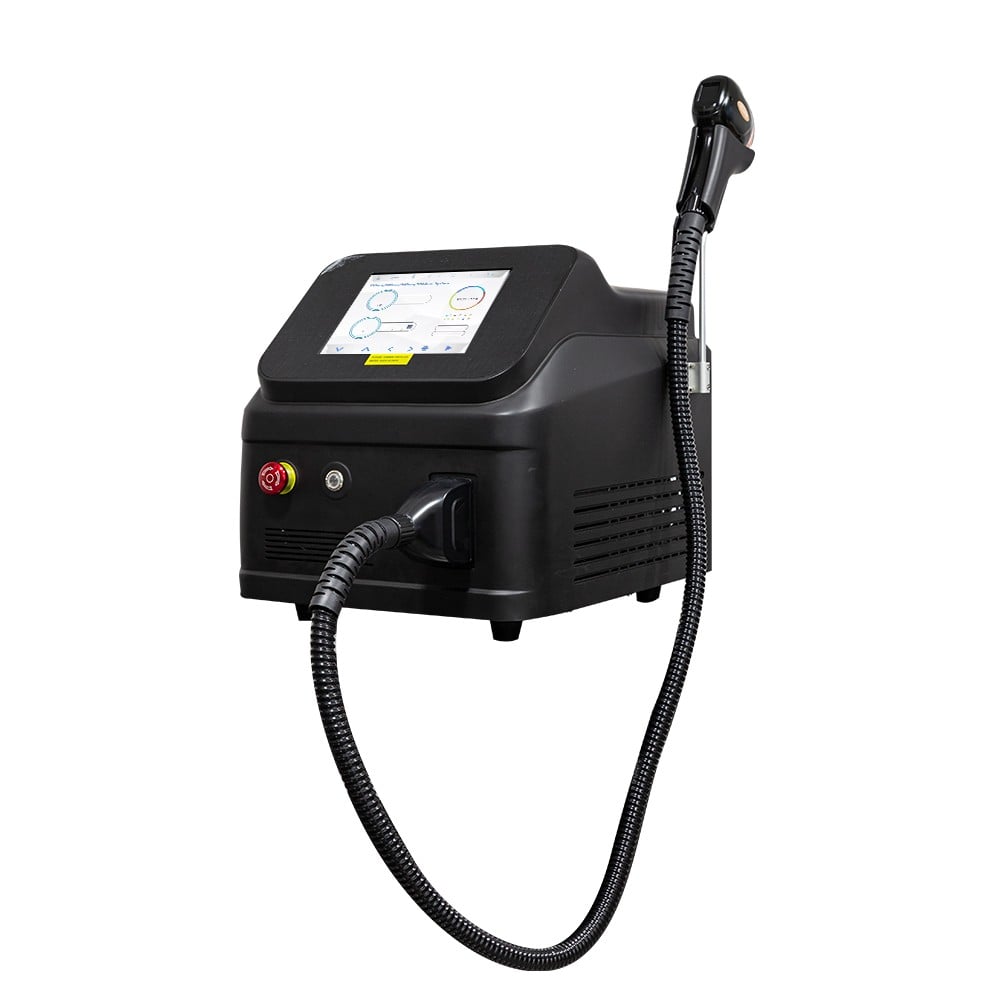
Mild redness and a brief warm feeling can occur after treatment, while intense pain, blistering, or worsening swelling calls for prompt assessment. The diode laser hair removal machine settings, the client’s skin condition, preparation, and aftercare all influence the response. A hair removal laser is not risk-free simply because it is widely used; an 808nm diode laser session still requires appropriate assessment and a professional hair removal device operated within its instructions.
Laser energy is absorbed by melanin in the hair shaft and follicle, creating heat that disrupts hair growth. Nearby tissue may also warm, which explains why temporary redness or slight perifollicular swelling can follow a session. A diode laser hair removal machine must deliver energy in a way that suits the treatment area and client. With a hair removal laser, an 808nm diode laser, or another professional hair removal device, the goal is controlled heating rather than unnecessary irritation.
Some clients notice small raised bumps around treated follicles; this can be a short-lived response, but appearance alone cannot confirm that every reaction is harmless. The operator should ask when symptoms began, how they are changing, and whether discomfort is increasing. Reviewing the diode laser hair removal machine settings alongside the client’s skin response helps guide that conversation. A hair removal laser procedure, including an 808nm diode laser session using a professional hair removal device, should be adjusted or paused when the response is outside the expected range.
Skin tone, recent tanning, active irritation, medication history, and sensitivity can affect how a person responds. Areas with thinner or more delicate skin may feel different from areas with coarse hair and denser follicles. Before using a diode laser hair removal machine, the practitioner should review relevant health information and inspect the intended area. This matters whether the plan involves a hair removal laser generally, an 808nm diode laser specifically, or another professional hair removal device.
A previous uneventful appointment does not guarantee the same response at every visit. Sun exposure, a new skin product, shaving irritation, or a change in medication may alter the skin’s condition. Record these changes before treatment rather than relying only on a client’s earlier tolerance. Reassessing the diode laser hair removal machine plan, the hair removal laser approach, and the 808nm diode laser parameters helps the operator decide whether to proceed with a professional hair removal device or postpone the session.
Excessive energy for a client’s skin and hair characteristics may increase unwanted heating, while inconsistent technique can create uneven exposure. The correct approach depends on the device’s operating guidance, the treatment area, and an informed assessment; one setting is not appropriate for everyone. A diode laser hair removal machine should be configured and used by a trained operator. For a hair removal laser treatment, an 808nm diode laser and any professional hair removal device must be managed with attention to safe contact, movement, and cooling instructions.
Cooling can support comfort and help protect the surface of the skin, but it does not compensate for unsuitable settings or poor technique. Operators should check that cooling functions are used as intended and that the treatment handpiece is applied consistently. If heat becomes unexpectedly painful, stopping to reassess is safer than continuing automatically. The diode laser hair removal machine, hair removal laser delivery, 808nm diode laser protocol, and professional hair removal device instructions should all inform that decision.
Recent tanning, sunburn, self-tanner, fragranced products, or active exfoliation can complicate treatment and may raise irritation risk. The treatment area should be clean and assessed before energy is applied. Clients need clear pre-session guidance that fits the device protocol and their skin condition. A diode laser hair removal machine appointment should be delayed if the area is visibly inflamed or damaged; this applies to a hair removal laser service, an 808nm diode laser session, and any professional hair removal device treatment.
After treatment, friction, hot environments, harsh skin products, and direct sun exposure may aggravate sensitive skin. Give clients practical aftercare instructions and explain which symptoms are expected and which warrant contact with the clinic. Avoid promising that a reaction will resolve on a fixed timeline because individual responses differ. Responsible use of a diode laser hair removal machine includes aftercare communication, just as responsible hair removal laser practice and an 808nm diode laser protocol require the professional hair removal device operator to explain follow-up steps.
For a mild, short-lived response, document the affected area, timing, and symptoms, then provide appropriate aftercare guidance. Do not treat an image or brief description as a substitute for clinical assessment when symptoms are severe or uncertain. Blisters, marked pain, spreading swelling, or signs of infection should prompt timely medical advice. Before another diode laser hair removal machine session, review the previous response and the hair removal laser plan, including the 808nm diode laser settings and professional hair removal device guidance.
If the reaction seems unusual, stop treatment on the affected area and avoid testing a new setting during the same appointment. Check the client’s recent exposures and review the treatment record, including parameters and cooling practice. Escalate according to clinic procedures when symptoms are significant, persistent, or worsening. A diode laser hair removal machine should only be used again after the concern has been appropriately addressed; the hair removal laser plan, 808nm diode laser approach, and professional hair removal device instructions may need reassessment.
Prevention starts with a thorough consultation, a clear check for tanning or irritation, and realistic discussion of expected sensations. Follow the device instructions, maintain consistent technique, and record settings and skin responses so decisions at later visits are evidence-informed. A diode laser hair removal machine is one part of a controlled service, not a substitute for practitioner judgment. The same principle applies to a hair removal laser generally, an 808nm diode laser in particular, and every professional hair removal device.
Clients should know how to prepare, what to avoid after treatment, and whom to contact if symptoms change. Practitioners can use feedback from each session to refine assessment and determine whether treatment should proceed, be modified, or be postponed. These steps make the process more consistent without implying that every reaction can be prevented. Keep the diode laser hair removal machine protocol aligned with client needs, and apply the same careful review to the hair removal laser method, 808nm diode laser settings, and professional hair removal device operation.
Not always. Mild, short-lived redness can be a normal response, but worsening pain, blisters, or persistent swelling should be assessed. Review the diode laser hair removal machine session and hair removal laser settings, and seek clinical advice when symptoms are severe or unclear.
Any laser treatment can cause injury if the skin response, settings, technique, or cooling are unsuitable. An 808nm diode laser should be used according to training and device instructions, and a professional hair removal device does not remove the need for careful assessment.
No. Pause and assess rather than continuing through unexpected heat or pain. Document the response and review the diode laser hair removal machine plan, hair removal laser technique, 808nm diode laser parameters, and professional hair removal device guidance before deciding on further treatment.

