

 EN

common-mistakes-in-moving-electrodes-during-tecar-sessions, common-mistakes-in-moving-electrodes-during-tecar-sessions, /blog
EN
During a tecar therapy session, electrode movement affects how consistently energy is delivered and how comfortable treatment feels. Common mistakes include rushing, stopping over one spot, using uneven pressure, and losing contact. These habits can make the session less controlled, even when the equipment settings and treatment plan are appropriate.
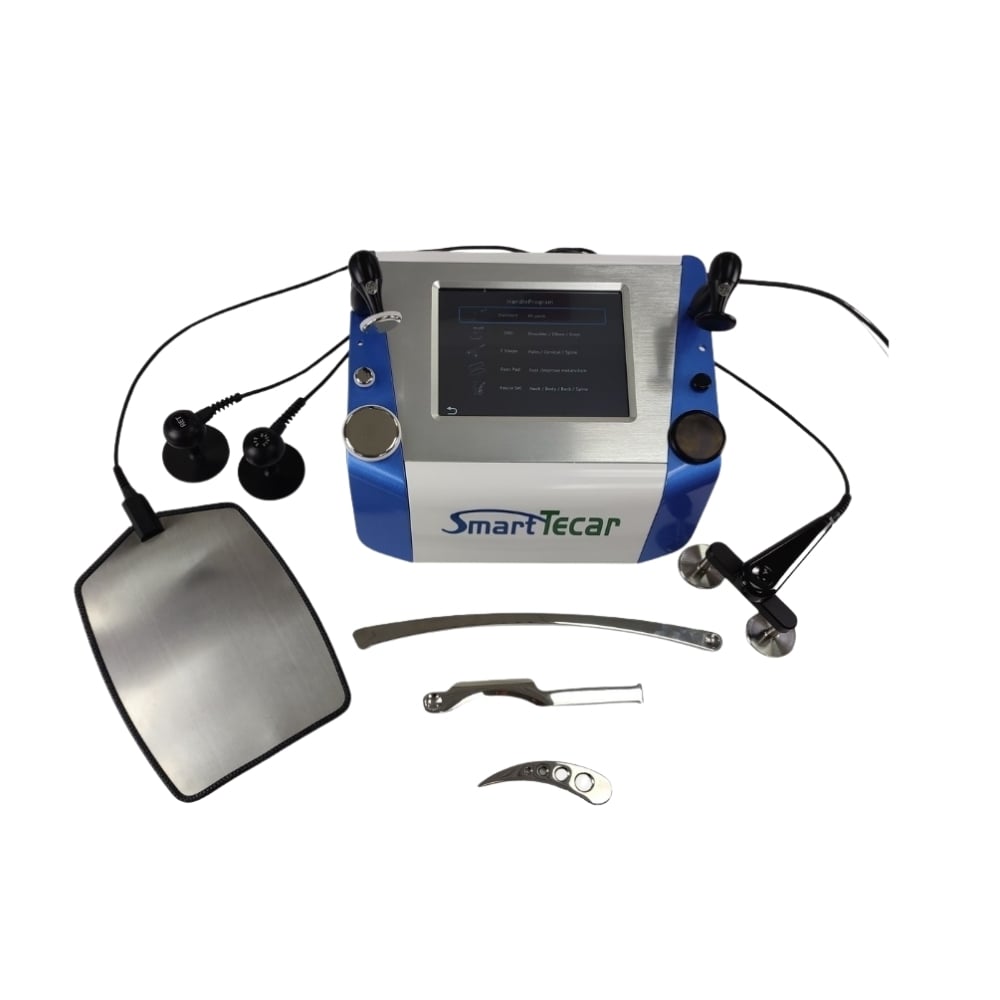
Good electrode handling starts with a clear purpose: maintain steady contact, move at a deliberate pace, and adjust to the patient’s feedback. In capacitive resistive electric transfer, the practitioner guides energy delivery through technique as well as settings. A radiofrequency therapy device does not remove the need for observation, while deep heat therapy requires particular attention to comfort and sensation throughout treatment.
Moving too quickly is a frequent tecar therapy mistake because the practitioner may not allow enough time to assess tissue response. In capacitive resistive electric transfer, an inconsistent pace can make the treatment feel uneven and makes it harder to compare one area with another. A radiofrequency therapy device should be guided with deliberate, repeatable strokes, not hurried passes. With deep heat therapy, check comfort as you move rather than assuming that a faster motion is automatically safer.
A better approach is to establish a pace that suits the treatment area and maintain it unless the patient’s response calls for a change. During tecar therapy, use smooth movements with a clear start and finish, and avoid abrupt acceleration near sensitive areas. Capacitive resistive electric transfer depends on stable contact, so pauses should be intentional rather than accidental. When using a radiofrequency therapy device for deep heat therapy, communicate before changing speed or direction.
Holding an electrode still for too long can concentrate sensation in one place and reduce the consistency of a tecar session. Capacitive resistive electric transfer calls for attention to both the treatment goal and the patient’s comfort, not simply prolonged contact. A radiofrequency therapy device may feel more intense when movement stops, so continue monitoring the person rather than relying on preset settings. During deep heat therapy, reposition or reduce intensity if the patient reports discomfort.
Uneven pressure is another common tecar therapy error. Pressing harder in one area and barely touching the next changes the contact conditions and can distract from the intended treatment pattern. With capacitive resistive electric transfer, keep pressure controlled and appropriate to the body region instead of using force to compensate for uncertain movement. A radiofrequency therapy device should remain comfortable to handle, especially during deep heat therapy where patient feedback is essential.
Pressure should be steady enough to maintain contact but not so heavy that it causes guarding or discomfort. In tecar therapy, the practitioner can support the working hand and use a relaxed grip to improve control. Capacitive resistive electric transfer is not improved by pressing harder; technique should remain consistent while the patient’s response guides adjustments. When deep heat therapy is delivered with a radiofrequency therapy device, explain that the patient should report excessive warmth promptly.
Lifting the electrode unintentionally, letting it tilt, or allowing coupling material to become uneven can interrupt the treatment flow. During tecar therapy, check that the applicator remains in stable contact and that the working area is prepared according to the device instructions. Capacitive resistive electric transfer requires purposeful handling, while a radiofrequency therapy device must be used within its operating guidance. These checks matter during deep heat therapy because changes in contact may alter sensation.
Before treatment, identify the target area, intended direction, and points that need extra care. A brief plan helps a tecar practitioner avoid improvised circles or repeated passes over the same spot. In capacitive resistive electric transfer, a consistent pattern makes it easier to monitor the patient and refine technique. Confirm the radiofrequency therapy device settings and treatment instructions, then use deep heat therapy only when the clinical plan and patient presentation support it.
A practical pattern follows the contours of the treatment area and keeps transitions smooth. During tecar therapy, the practitioner can divide a larger region into manageable zones, moving methodically rather than sweeping across the body without a plan. Capacitive resistive electric transfer should remain responsive to tissue tolerance and feedback. For a radiofrequency therapy device, follow the manufacturer’s operating instructions, and treat deep heat therapy as a monitored process rather than a fixed routine.
Ask the patient what they feel and observe changes in comfort, muscle guarding, or skin response throughout treatment. During tecar therapy, feedback can indicate when to slow down, change direction, or pause for reassessment. Capacitive resistive electric transfer should be adapted to the individual rather than delivered as an identical sequence for every person. If a radiofrequency therapy device produces an uncomfortable sensation during deep heat therapy, stop and reassess settings, contact, and technique.
There is no single pace for every treatment area. In tecar therapy, select a controlled speed that allows stable contact and ongoing observation. Capacitive resistive electric transfer should follow the treatment plan and the person’s response; avoid both rushed passes and unnecessary lingering. Follow device instructions and adjust when comfort or clinical needs indicate a change.
Maintain appropriate contact as directed by the device instructions and treatment protocol. A radiofrequency therapy device should not be moved carelessly or left stationary without a clinical reason. During deep heat therapy, pay attention to sensation and check the working area if contact becomes uneven. Pause when necessary to reassess rather than continuing through discomfort.
Patients should promptly mention sharp, unpleasant, or unexpectedly intense sensations. With capacitive resistive electric transfer, clear communication helps the practitioner adapt movement and contact. In deep heat therapy, warmth should remain tolerable; it should not be treated as a reason to ignore discomfort. Pause and review technique and settings if the response changes.

