

 EN

common-mistakes-in-needle-cartridge-selection-for-microneedling, common-mistakes-in-needle-cartridge-selection-for-microneedling, /blog
EN
Selecting the correct needle cartridge for your microneedling procedures is one of the most critical decisions in aesthetic and dermatological practice. Yet many practitioners make avoidable mistakes that compromise treatment efficacy, patient safety, and business profitability. The difference between choosing the right needle depth, gauge, and cartridge type versus making a poor selection can dramatically affect clinical outcomes and patient satisfaction. Understanding these common pitfalls helps you optimize your collagen induction device performance and ensure consistent, predictable results for every treatment.
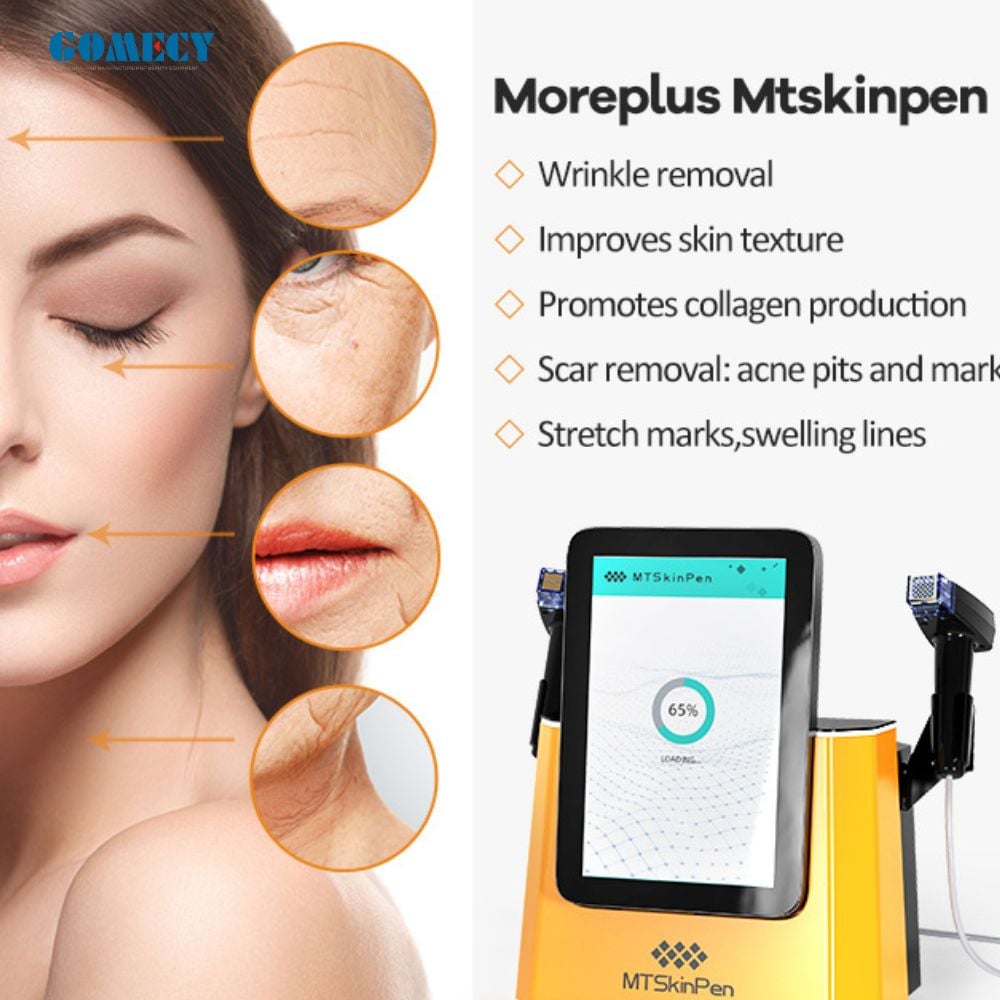
Professional practitioners recognize that an rf microneedling device is only as effective as the cartridge and needle specifications selected for each individual treatment plan. Whether you operate an aesthetic clinic, medical spa, or dermatology practice, the quality of your needle cartridge decision directly influences treatment safety, patient comfort, healing time, and visible results. This guide identifies the most frequent mistakes practitioners make and provides practical guidance to help you select the optimal needle cartridge configuration for your specific clinical applications.
A fundamental mistake occurs when practitioners apply the same needle depth and cartridge type to every patient without assessing individual skin characteristics, concerns, and sensitivity levels. Each skin needling equipment application demands customization based on skin thickness, age, treatment goals, and current skin condition. Thin facial skin requires shallower penetration depths than thicker body areas, yet many practitioners default to a one-size-fits-all approach that compromises results for sensitive patients while underdelivering for those needing deeper collagen induction.
Proper assessment involves evaluating skin elasticity, hydration levels, barrier function integrity, and any active inflammatory conditions before selecting your needle cartridge configuration. Patients with sensitive skin, recent chemical peels, or active acne require different needle specifications than those with thick, resilient, mature skin seeking aggressive anti-aging treatment. Skipping this evaluation leads to unnecessary downtime, post-inflammatory hyperpigmentation, or inadequate clinical response that frustrates patients and damages your reputation.
Practitioners often confuse how needle depth relates to treatment efficacy, mistakenly believing that deeper penetration always delivers superior results. In reality, excessive depth causes unnecessary tissue trauma, extended healing, and heightened adverse event risk without proportional clinical benefit. A quality microneedling machine paired with the appropriate needle cartridge achieves optimal collagen remodeling at specific, evidence-based depths rather than through aggressive over-treatment. Understanding the relationship between depth, gauge, and clinical indication prevents costly treatment failures and patient complications.
Superficial treatments targeting fine lines and skin texture typically require 0.5–1.0 mm needle depth, while moderate depth of 1.0–1.5 mm addresses acne scars and early photoaging. Deeper penetration of 1.5–2.5 mm suits severe scarring and significant wrinkle correction but demands extended healing protocols. Many practitioners select needle cartridges based on equipment availability rather than clinical indication, resulting in either inadequate stimulation or unnecessary trauma that extends patient recovery without enhancing outcomes.
Cross-contamination risks escalate dramatically when practitioners reuse needle cartridges or fail to maintain proper sterilization protocols despite guidelines from skin needling equipment manufacturers. Every rf microneedling device cartridge must be treated as a single-use sterile instrument or properly sterilized between treatments according to FDA and infection control standards. Many aesthetic clinics attempt to reduce costs by resterilizing cartridges that were designed as disposable, creating infection and liability risks that far exceed minor material savings.
Visible needle degradation frequently goes undetected when cartridges are reused beyond manufacturer recommendations. Dulled or microscopic damaged needles cause incomplete perforation, increased pain, extended bleeding, and compromised collagen stimulation. Practitioners should inspect every cartridge for visible damage, verify sterilization documentation, and follow equipment manufacturer guidelines strictly. This attention to cartridge integrity protects patient safety while ensuring the collagen induction device performs at its intended clinical specification.
A common operational mistake involves using excessive speed or downward pressure with your microneedling machine, assuming faster treatment equals better results. Aggressive application causes unnecessary epidermal trauma, excessive bleeding, and delayed healing without enhancing the therapeutic collagen response. Professional rf microneedling device protocols emphasize controlled, consistent passes at manufacturer-recommended speeds that allow proper needle penetration without over-traumatizing tissue. Understanding the relationship between device settings and clinical outcome prevents complications while maximizing patient satisfaction and treatment efficacy.
Practitioners should perform preliminary passes at standard settings before adjusting based on tissue response, needle depth confirmation, and patient tolerance. Excessive pressure compensates for dull needles or improper cartridge selection rather than addressing the underlying issue, perpetuating poor clinical results. Training staff on appropriate device handling and establishing standard operating procedures ensures consistency across all treatment sessions and protects your practice from adverse events stemming from improper technique.
Practitioners often select needle cartridges for individual sessions without developing a comprehensive treatment plan that sequences procedures strategically over time. Effective collagen induction requires multiple treatments spaced appropriately to allow tissue remodeling and maximize cumulative results, yet many clinics treat patients episodically without structured progression. A skin needling equipment protocol should specify needle depth progression, frequency, and total treatment duration based on the clinical indication and expected collagen response timeline.
Severe scarring typically requires 4–6 treatments with controlled depth escalation, while superficial rejuvenation may need 3–4 sessions at consistent moderate depth. Practitioners who fail to establish and communicate this protocol often select suboptimal cartridge configurations for individual sessions, missing opportunities to build cumulative results. Documenting needle specifications, cartridge selection rationale, and clinical response guides future treatment optimization and demonstrates professional care standards to regulatory bodies and patients alike.
The mistake of selecting an appropriate needle cartridge is sometimes negated by inadequate post-treatment protocols that fail to support the collagen remodeling process or protect healing tissue. Deeper penetration depths and aggressive microneedling machine parameters require more intensive aftercare including barrier support, sun protection, and anti-inflammatory management. Practitioners who recommend identical post-treatment care regardless of needle depth or tissue trauma severity compromise results and increase complication rates unnecessarily.
Customized aftercare protocols should align with the specific rf microneedling device parameters used, providing patients clear guidance on timeline expectations, activity restrictions, and supportive care requirements. This comprehensive approach demonstrates professional competence, manages patient expectations, and accelerates the path to visible results that justify the treatment investment and drive positive referrals.
Mild acne scars typically respond well to 1.0–1.5 mm needle depth using a quality rf microneedling device, allowing adequate collagen induction without excessive trauma or extended healing. This moderate depth penetrates to the dermis where scar tissue resides while preserving adequate epidermis for rapid re-epithelialization. Multiple treatments spaced 4–6 weeks apart using consistent needle cartridge specifications optimize cumulative results for superficial to moderate scarring.
Disposable needle cartridges must be replaced after each treatment, while sterilizable cartridges should be replaced per manufacturer specifications, typically every 10–20 uses or at the first sign of visible wear. Reusing cartridges beyond these guidelines introduces infection risk and compromises treatment efficacy through needle degradation. Always verify your specific collagen induction device manufacturer's replacement recommendations and maintain detailed usage logs to ensure compliance with safety standards.
While the same microneedling machine can treat both facial and body areas, needle cartridge selection should differ based on regional skin thickness and treatment goals. Facial skin typically requires shallower penetration depths, while body areas with thicker skin may tolerate deeper needle penetration. Maintaining separate needle cartridge inventory for distinct anatomical areas prevents cross-contamination, allows optimized treatment protocols for each region, and simplifies staff training on appropriate equipment configuration.

