

 EN

common-mistakes-in-overlapping-passes-during-fractional-co2-work, common-mistakes-in-overlapping-passes-during-fractional-co2-work, /blog
EN
Overlapping passes are one of the most critical technical challenges when performing fractional CO2 laser procedures. Even experienced practitioners can make costly mistakes that compromise treatment outcomes, patient safety, and practice reputation. Understanding the common pitfalls of overlapping passes during fractional laser treatment is essential for achieving consistent, predictable results while minimizing adverse effects.
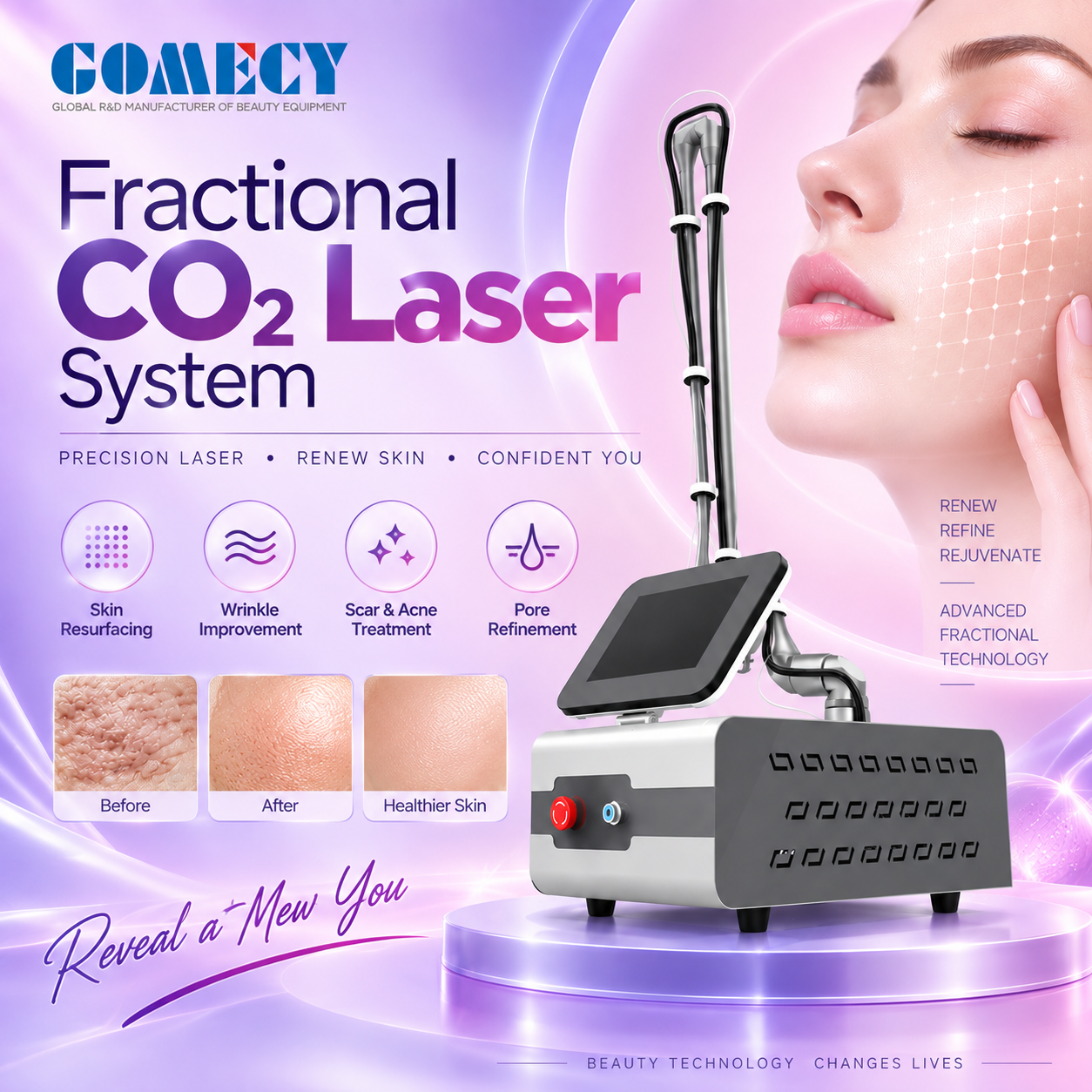
A fractional CO2 laser creates microscopic columns of thermal injury surrounded by zones of untreated skin, enabling rapid healing and collagen remodeling. The precision required to execute proper overlapping patterns directly determines whether your skin remodeling laser delivers therapeutic benefit or generates complications like scarring, hypopigmentation, or prolonged erythema. This guide addresses the most common overlapping pass errors practitioners encounter.
Fractional laser treatment works by dividing the laser beam into thousands of microscopic dots, each creating a narrow zone of ablation surrounded by healthy tissue. This fractional approach accelerates healing compared to traditional full-field ablation. When performing co2 fractional resurfacing, the laser energy penetrates to the dermis, triggering collagen synthesis and cellular renewal. The untreated tissue between treatment zones acts as a biological dressing and supports rapid reepithelialization.
The critical variable is coverage density—the percentage of skin surface treated per pass. Proper fractional laser treatment typically requires multiple overlapping passes to achieve target coverage while maintaining safety margins. Each pass must overlap previous passes by a controlled percentage to build cumulative thermal injury depth without creating excessive heat accumulation in any single zone.
Overlapping passes allow practitioners to increase treatment depth and coverage gradually without overheating tissue. Each pass with the fractional CO2 laser should create independent injury zones that stack vertically through the dermis. Proper overlap ensures uniform energy delivery across the entire treatment zone. When overlap is inadequate, untreated gaps create inconsistent results and require additional corrective sessions. When overlap is excessive, thermal damage extends beyond therapeutic zones, triggering inflammation, edema, and prolonged recovery.
One of the most frequent errors in fractional CO2 laser practice is excessive overlapping that creates unintended thermal bridges between adjacent treatment zones. Practitioners sometimes overlap passes by 40–60% when optimal fractional laser treatment requires 20–30% overlap depending on coverage settings and pass count. Excessive overlap concentrates laser energy in overlapped regions, raising skin temperature dangerously and triggering coagulation necrosis beyond the intended thermal injury zone.
This mistake generates severe post-treatment edema, prolonged erythema lasting weeks beyond normal recovery, and increased risk of scarring or dyspigmentation. Patients experience unnecessary pain and downtime. The overheated tissue becomes prone to infection. Excessive overlap with co2 fractional resurfacing can permanently alter skin texture or create visible demarcation lines where overlapped zones differ in appearance from non-overlapped areas.
The opposite error—insufficient overlap—leaves gaps in treatment coverage that compromise clinical outcomes. Practitioners rushing through sessions or misjudging hand speed and pattern geometry sometimes create adjacent passes that miss treatment zones entirely. These gaps appear as visible lines or patches of untreated skin running through the treatment area. Patients observe incomplete improvement and demand corrective sessions, increasing practice costs and patient dissatisfaction.
Insufficient overlap also creates uneven results in fractional laser treatment where some zones show excellent collagen remodeling while adjacent areas show minimal change. This patchwork appearance undermines treatment credibility and generates justified complaints. Preventing coverage gaps requires consistent hand speed, understanding fractional laser beam geometry, and mentally mapping pass patterns before beginning each session.
Practitioners frequently misjudge the time interval required between successive passes with a fractional CO2 laser. Passing too quickly over the same area before tissue temperature normalizes creates cumulative heat that exceeds safety thresholds. Skin temperature rises with each pass, and inadequate cooling time between passes prevents proper temperature dissipation. This is especially problematic in sensitive facial areas like periocular or perioral zones where tissue is thin and heat transfer is slower.
Conversely, waiting too long between passes on a single treatment area allows cooling that reduces the stacking effect of progressive passes in fractional laser treatment. This defeats the purpose of multiple passes and reduces therapeutic efficacy. Proper technique requires balancing pass frequency against real-time tissue response, monitoring for appropriate erythema depth, and adjusting timing based on treatment depth targets and skin type. Experienced practitioners develop intuition for optimal timing through consistent observation and protocol adherence.
Successful fractional CO2 laser work requires establishing a mental map before treatment begins. Practitioners should visualize the treatment zone divided into logical sections with predetermined pass directions and overlap percentages. Horizontal passes should be followed by vertical passes at slight diagonal angles to ensure geometric uniformity. This grid-based approach prevents random overlapping that creates unpredictable thermal patterns.
Modern skin remodeling laser systems often include guides or grid overlays in their user interfaces to help practitioners maintain consistent spacing. Using these tools eliminates guesswork and ensures reproducible results across multiple patient sessions. When switching to different coverage settings or pass counts during co2 fractional resurfacing, recalibrate your mental geometry to account for new beam spacing parameters. Consistency in pass execution directly correlates with consistency in clinical outcomes.
Real-time tissue response monitoring is the most reliable method for preventing overlapping pass errors in fractional laser treatment. Proper erythema appearance changes between first and final passes. Initial passes create mild pinking as superficial dermis heats. Final passes should produce deeper, more intense erythema indicating deeper dermal injury. If erythema appears too severe too quickly, reduce pass count or coverage density to prevent excessive thermal buildup.
Watch for subtle signs of thermal stress: blistering at pass edges, smoke accumulation suggesting inadequate cooling, or blanching that indicates edema. These signals indicate improper overlap or excessive energy stacking. Experienced practitioners develop sensitivity to these visual cues and adjust technique in real-time rather than rigidly following preset protocols. A fractional CO2 laser requires active engagement, not passive machine operation. Patient comfort and tissue response should guide decision-making throughout treatment.
Comprehensive documentation of every fractional laser treatment creates a reference archive for technique refinement and patient follow-up. Record specific parameters: coverage percentage, pass count, interval timing between passes, energy levels for each pass, and observed tissue response. Document any deviations from standard protocol and their outcomes. Over time, this data reveals patterns in what works best for different skin types, anatomical areas, and treatment goals.
Documentation also supports patient education and realistic expectation-setting. When patients return for follow-up sessions, your treatment notes inform decisions about protocol adjustments based on prior results. If previous overlapping patterns created excellent outcomes, replicate them. If prior sessions generated complications, documentation identifies what went wrong so you can correct technique. This systematic approach transforms each fractional CO2 laser session into a learning opportunity that continuously improves your skill and outcomes.
Optimal overlap for fractional laser treatment typically ranges from 20–30% depending on coverage density, pass count, and treatment goals. Lower coverage settings (20–30%) with appropriate overlap enable controlled progressive depth gain across multiple passes without thermal stress. Higher coverage densities may require slightly reduced overlap to prevent excessive energy concentration. Always follow your specific system manufacturer's guidelines and adjust based on real-time tissue response and patient skin type.
Prevent coverage gaps by establishing a consistent pass pattern before starting treatment. Divide the treatment zone into logical sections, alternate pass directions (horizontal, vertical, diagonal), and maintain steady hand speed throughout each pass. Using your fractional CO2 laser system's grid overlay or guidance features ensures geometric consistency. Practice on phantom skin or low-risk areas until pass patterns become automatic, then apply this consistency to every patient session.
Excessive overlapping in co2 fractional resurfacing produces severe, rapid erythema appearing too intense too quickly, pronounced edema that extends beyond the treatment zone, prolonged recovery lasting weeks longer than expected, and visible demarcation lines where overlapped zones differ in appearance from adjacent treated areas. Blistering or crusting at pass edges and patient reports of excessive pain also indicate thermal overload from excessive overlap. If these signs appear, reduce pass count, increase intervals between passes, or lower energy levels for remaining passes.

