

 EN

common-mistakes-in-pulse-settings-for-ipl-hair-removal-work, common-mistakes-in-pulse-settings-for-ipl-hair-removal-work, /blog
EN
Pulse settings for IPL hair removal are not interchangeable defaults. A mistake in pulse duration, delay, or energy can affect comfort, treatment consistency, and the risk of an adverse skin response. Operators using an ipl machine should base each setting on the device instructions, the treatment area, and an appropriate client assessment.
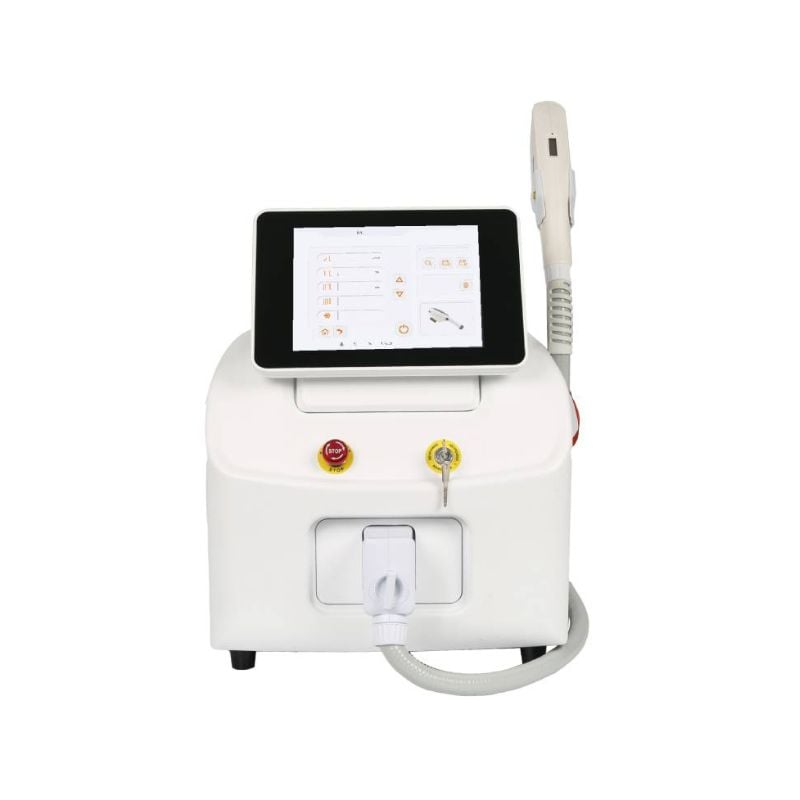
The most common errors are choosing settings by habit, changing several parameters at once, and overlooking skin or hair characteristics. An intense pulsed light device requires a controlled workflow rather than guesswork. The same discipline matters when a skin rejuvenation device or photorejuvenation equipment is used for other indications: settings must match the intended treatment, not simply the last successful session.
A preset can be a starting reference, not a substitute for reviewing the client and treatment area. Skin tone, recent tanning, hair color and thickness, and the anatomical site can all affect how light is absorbed. An intense pulsed light device should be configured within its approved operating guidance, with the operator checking suitability before every session. A skin rejuvenation device may offer several modes, but a mode name alone does not confirm that the selected parameters suit hair removal.
A frequent ipl machine mistake is copying a previous fluence because the client appears similar. Small differences in pigmentation or sensitivity can change the response, while hair density may vary across one treatment area. Photorejuvenation equipment should be approached with the same careful reassessment, even when a client has attended before. Record the reason for the chosen settings and note any relevant changes since the prior appointment.
Pulse duration describes how long each light pulse is delivered; pulse delay describes the interval between pulses in a sequence. Fluence refers to energy delivered over an area, so these controls are related but not interchangeable. An ipl machine operator who changes pulse duration to solve a problem caused by poor contact may create a different exposure without fixing the cause. Follow the intense pulsed light device manual and training protocol when interpreting each control.
Photorejuvenation equipment may present pulse options differently from another platform, so avoid assuming that identical labels produce identical outputs. Confirm units and mode before treatment, and do not infer a setting from a display value alone. A skin rejuvenation device should be used according to its own instructions and indication. Clear understanding of the controls helps prevent accidental changes during setup and makes treatment records useful for later review.
Before selecting parameters, review the client’s skin characteristics, recent sun exposure, treatment history, relevant contraindications, and the area being treated. Hair color and caliber also matter because the target must absorb sufficient light for the intended response. An intense pulsed light device should only be used when the client and indication meet the manufacturer’s requirements. A skin rejuvenation device is not a reason to bypass screening simply because it can support multiple applications.
Use the approved protocol to select a conservative, appropriate starting point rather than jumping to a higher level to seek a faster result. With an ipl machine, contact, treatment head position, and consistent technique affect delivery as well as displayed settings. Photorejuvenation equipment needs the same attention to the treatment site and client response. If suitability is unclear, pause and seek qualified clinical guidance instead of improvising.
When a treatment response suggests that a setting needs review, first check practical factors such as skin contact, cooling, handpiece cleanliness, and correct mode selection. Then follow the device protocol to decide whether adjustment is appropriate. A skin rejuvenation device may allow different pulse structures, but changing pulse width, delay, and fluence together makes it difficult to identify what influenced the response. Avoid adjustments outside the approved range.
A measured workflow makes the next decision clearer. Document the original settings and the reason for any permitted change, then monitor the response according to training and local practice. Intense pulsed light device settings should never be escalated solely because visible hair reduction is not immediate. The ipl machine should be operated by trained personnel who understand the limits of the system and know when to stop and reassess.
A reliable pre-treatment check reduces avoidable variation between operators and appointments. Verify the selected indication, mode, handpiece, cooling function, and displayed parameters against the client assessment and device guidance. Photorejuvenation equipment logs are more useful when they capture treatment area, relevant client factors, settings, and observed response. For an intense pulsed light device, consistent documentation also helps identify patterns that warrant protocol review.
Do not rely on memory or shorthand that another trained operator cannot interpret. Record meaningful details without presenting a setting as universally suitable. A skin rejuvenation device may be used for several procedures, so identify the actual treatment purpose in each record. If the ipl machine displays an alert or behaves unexpectedly, stop according to the manual, document the issue, and follow the approved service process before resuming.
Client feedback and observed skin response are important, but neither replaces safe operating limits or a structured assessment. Ask about discomfort and check the treatment area as directed by training. Photorejuvenation equipment should not be adjusted in response to a single subjective comment without considering contact, cooling, and the full treatment context. The intense pulsed light device protocol remains the boundary for any decision.
Review recurring problems with the team, including inconsistent results, frequent setting changes, or uncertainty about controls. A skin rejuvenation device is only as dependable as the process around its use, including training and maintenance. With an ipl machine, a pause to verify the plan is preferable to continuing with uncertain parameters. Photorejuvenation equipment records can then support focused coaching and practical improvements rather than guesswork.
No. Settings depend on the device instructions, treatment area, client assessment, and indication. An ipl machine preset is a reference, not automatic approval for every person. An intense pulsed light device should be configured only by trained operators following its approved protocol. Review changes in skin condition or exposure history before each session, and do not carry a previous setting forward without reassessment.
Confirm the mode, handpiece, contact, cooling, treatment area, and parameter definitions first. Then consult the device guidance and follow its adjustment process. Photorejuvenation equipment can use controls that differ by platform, so do not assume a setting translates between systems. A skin rejuvenation device should not be adjusted beyond its approved range to compensate for a setup or technique problem.
Use consistent client screening, operator training, equipment checks, and clear treatment records. Review the response over time rather than making unsupported changes during a session. An intense pulsed light device should be used within documented protocols, and operators should know when to pause for guidance. Photorejuvenation equipment records can reveal recurring workflow issues, while a skin rejuvenation device requires indication-specific settings and assessment each time.

