

 EN

common-mistakes-in-shockwave-therapy-dose-and-energy-planning, common-mistakes-in-shockwave-therapy-dose-and-energy-planning, /blog
EN
Common mistakes in shockwave therapy dose and energy planning often begin when a preset is treated as a prescription. Extracorporeal shockwave settings need to reflect the clinical target, device, patient tolerance, and intended outcome. A shockwave treatment plan should be deliberate, while musculoskeletal therapy requires reassessment rather than automatic repetition.
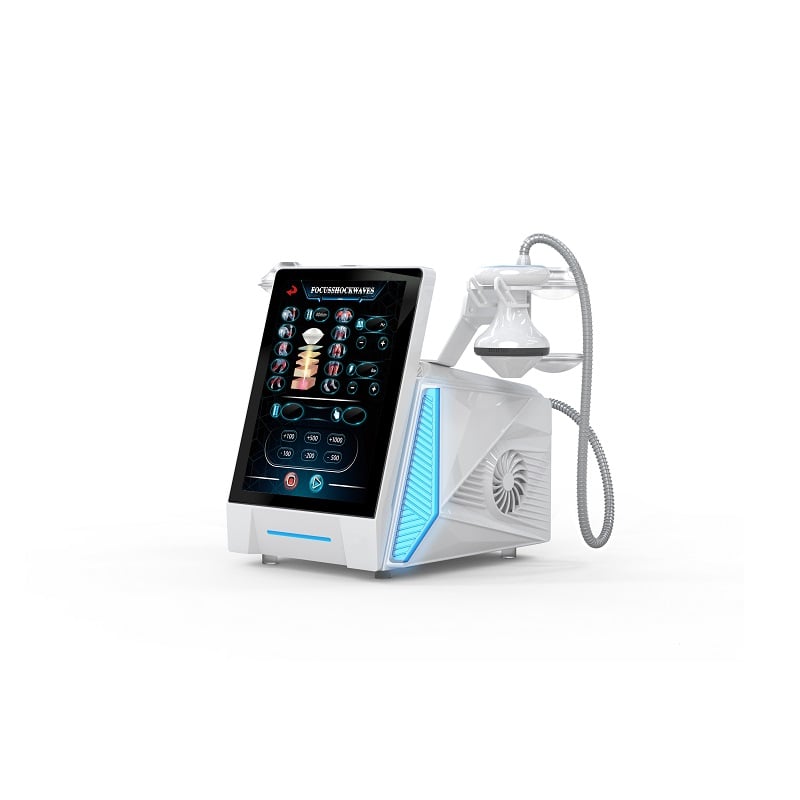
The practical goal is not to select the highest available energy, but to use a consistent, clinically appropriate dose and adjust it with a reason. In shockwave therapy, energy, pulse count, frequency, applicator choice, and placement work together. Extracorporeal shockwave protocols and shockwave treatment decisions should therefore be documented as a complete plan within musculoskeletal therapy.
A common shockwave therapy mistake is carrying a familiar setting from one complaint to another. Even when two patients describe pain in the same region, the suspected tissue, chronicity, sensitivity, and treatment objective may differ. Extracorporeal shockwave energy should be selected in relation to the target and device instructions, not simply copied from a previous session. In shockwave therapy, a preset can be a starting reference, but it is not an individualized assessment.
Before choosing a dose, clarify the working diagnosis, treatment area, and reason for using shockwave treatment. Check whether the planned application fits the patient’s history and current presentation, and consider whether another approach is more appropriate. Musculoskeletal therapy planning improves when the clinician records the rationale for the selected settings rather than relying on memory or habit. This makes later changes easier to interpret.
Energy figures are not automatically interchangeable between devices or treatment modes. Clinicians can misread a displayed value as a universal dose, even though device design, applicator, and manufacturer guidance affect how settings are expressed. Shockwave therapy documentation should identify the equipment and mode alongside the selected energy. This matters when extracorporeal shockwave care is reviewed by another clinician or continued after a change in equipment.
Avoid assuming that a higher number means a more effective session. The appropriate shockwave treatment dose is the one that fits the clinical plan and can be delivered consistently within relevant guidance. Musculoskeletal therapy should also account for patient response; discomfort is not a reliable measure of therapeutic benefit by itself. Clear notes help distinguish a purposeful adjustment from an unexplained change.
Another frequent error is raising energy rapidly to reach a perceived target, especially when the first application feels tolerable. Shockwave therapy should be delivered with attention to the patient’s feedback and the planned tissue target. Extracorporeal shockwave treatment may require a cautious progression based on clinical judgment and device guidance, rather than an automatic increase at every visit. A preset does not remove the need to monitor response.
Establish a sensible starting point, explain what the patient may feel, and make any adjustment in measured steps. In shockwave treatment, changing several parameters at once can make it difficult to know what influenced tolerance or outcome. Musculoskeletal therapy decisions are more useful when the clinician records both the setting and the reason for changing it. This helps maintain continuity across sessions.
Energy is only one part of a dose. Pulse count, frequency, application time, and treatment location also shape the session, so focusing on energy alone can leave the plan incomplete. Shockwave therapy should account for these variables together, with extracorporeal shockwave delivery aligned to the treatment objective. A clinician may otherwise increase intensity while overlooking an unsuitable area or inconsistent application.
Use a repeatable method to identify and treat the intended region, then record the key parameters. If the patient’s response changes, review placement and technique as well as the displayed energy. Shockwave treatment is not improved by changing settings without a clear reason, and musculoskeletal therapy benefits from a plan that others can reproduce. This is particularly important when care spans multiple visits.
A dose plan should not run on autopilot. At each visit, review the patient’s response since the last session, including symptom changes, tolerance, and any unexpected effects. Shockwave therapy settings may remain appropriate, require a cautious adjustment, or need reconsideration alongside the diagnosis. Extracorporeal shockwave care should follow clinical assessment rather than a fixed escalation schedule.
Ask focused questions and compare the current presentation with the baseline. A single report of discomfort does not by itself establish that the dose is too high, just as temporary tolerance does not prove that it should be increased. Musculoskeletal therapy decisions should weigh the full response and treatment goals. Record what changed and why so that the next shockwave treatment builds on observable information.
Incomplete notes create avoidable uncertainty. Record the device and mode, treatment location, relevant settings, patient response, and clinical rationale in a consistent format. For shockwave therapy, this supports continuity and makes it possible to review whether an adjustment was planned. Extracorporeal shockwave records are more useful when they distinguish a changed parameter from one that remained stable.
Documentation also supports safe team communication and quality review. If a clinician adjusts energy, pulse count, or frequency, note the reason rather than writing only that the dose was changed. A shockwave treatment record should be concise but specific enough to guide follow-up. Musculoskeletal therapy becomes easier to evaluate when treatment decisions and responses can be connected over time.
No. Shockwave therapy energy should not rise automatically from visit to visit. Base any adjustment on the clinical objective, patient response, device guidance, and assessment. A stable setting can be appropriate when it continues to fit the plan; a change should have a clear rationale.
Do not assume that values transfer directly. Extracorporeal shockwave settings may be expressed or delivered differently across devices and modes. Consult the relevant instructions, verify the applicator and treatment approach, and document the equipment used for each shockwave treatment.
Record the target area, device and mode, selected parameters, patient tolerance, response, and reason for any adjustment. In musculoskeletal therapy, these details make shockwave therapy decisions easier to review and support consistent follow-up. Documentation should reflect the actual session, not just a preset name.

