

 EN

common-mistakes-when-targeting-small-joints-with-focused-shockwave, common-mistakes-when-targeting-small-joints-with-focused-shockwave, /blog
EN
Targeting a small joint with focused shockwave therapy calls for more than reducing the treatment area. Clinicians must identify the relevant tissue, account for nearby structures, and match delivery to the patient’s presentation. In orthopedic rehabilitation, an imprecise target or poorly considered plan can make progress difficult to assess, even when the equipment is functioning as intended.
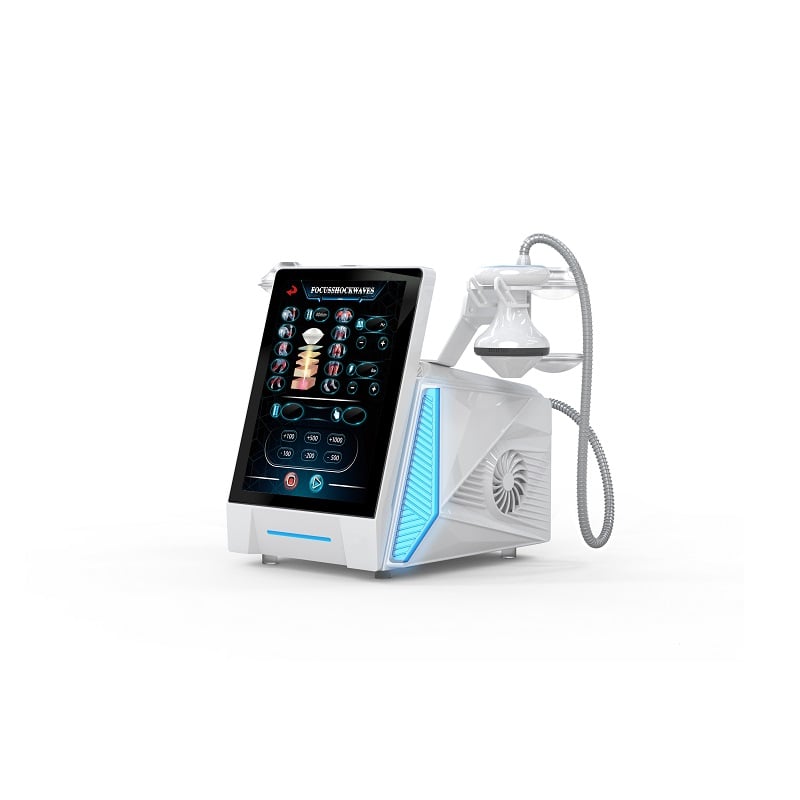
Common errors include treating a small joint as if it were a larger region, assuming a tender spot is the sole pain source, and changing several treatment variables at once. A focused shockwave device can deliver energy to a defined area, but the clinician still needs a sound assessment and a repeatable technique. Understanding how extracorporeal shockwave treatment fits the case helps teams avoid avoidable uncertainty and make decisions that support orthopedic rehabilitation.
A frequent mistake is placing the applicator directly over the most tender point without confirming which structure is involved. Small joints have compact anatomy, with tendons, capsules, ligaments, and bone close together. Focused shockwave therapy should follow a clinical hypothesis grounded in history and examination, not tenderness alone. Before using a focused shockwave device, compare the painful location with movement, loading, and palpation findings. Extracorporeal shockwave care is more purposeful when the intended tissue and reason for treating it are clearly documented within orthopedic rehabilitation.
Pain can also be referred from nearby tissues, while swelling or sensitivity may shift where a patient points during assessment. Recheck the site in a functional position and consider whether symptoms change with joint motion or resisted activity. This step helps distinguish a local target from a nearby source before focused shockwave therapy begins. A focused shockwave device does not determine the diagnosis; the operator must interpret the examination. When extracorporeal shockwave is selected, record the target and clinical rationale so orthopedic rehabilitation colleagues can understand the plan.
Another localization error is treating a broad region when the clinical concern is limited to one small attachment or joint margin. Marking the intended contact point and maintaining a consistent patient position can improve repeatability between visits. Focused shockwave therapy benefits from deliberate localization, particularly when the treatment area is narrow. The focused shockwave device should be applied in relation to the selected tissue rather than moved casually across the joint. In extracorporeal shockwave practice, clear notes also help orthopedic rehabilitation teams compare symptom response without mistaking a change in technique for a change in condition.
Copying settings from a different body region or patient is a poor substitute for clinical judgment. Tolerance, tissue depth, the treatment indication, and device guidance all inform delivery. Focused shockwave therapy should be introduced and adjusted in line with the relevant protocol and the patient’s response. A focused shockwave device may offer several controls, but more adjustment is not automatically better. For extracorporeal shockwave treatment, explain the expected sensations and monitor comfort. In orthopedic rehabilitation, a record of settings and response makes later decisions easier to interpret.
A second dosing error is changing energy, pulse number, and treatment frequency together after an uncomfortable session. That makes it hard to know which change mattered and may disrupt a reasonable plan. Instead, review the response, check technique, and alter variables cautiously within applicable guidance. Focused shockwave therapy should not be delivered through a rigid routine that ignores individual tolerance. The focused shockwave device must be used according to its instructions and clinical protocols. With extracorporeal shockwave, consistent documentation supports orthopedic rehabilitation by showing what was delivered and how the patient responded.
Poor applicator contact or an unstable hand position can also undermine delivery, especially around curved or narrow joint surfaces. Prepare the area, use coupling materials as directed, and maintain controlled contact without pressing unpredictably. Focused shockwave therapy depends on both the selected parameters and their reliable application. Check that the focused shockwave device is configured correctly before treatment, and pause if positioning becomes uncertain. In extracorporeal shockwave sessions, a repeatable setup helps orthopedic rehabilitation staff assess progress fairly rather than attributing inconsistent delivery to the patient’s underlying condition.
Moving directly to treatment without reviewing relevant medical history is another preventable mistake. Screen for contraindications and precautions specified in professional guidance and the device instructions, and seek appropriate clinical input when a concern is unclear. Focused shockwave therapy is not suitable for every presentation or every patient. Before operating a focused shockwave device, explain the purpose, likely sensations, and alternatives in plain language. Extracorporeal shockwave should sit within a broader orthopedic rehabilitation plan, rather than being presented as a guaranteed or stand-alone solution.
Patients also need realistic guidance about what will be monitored and when the plan may be reviewed. Avoid promising a fixed result or interpreting temporary symptom changes as proof that the target was correct. Focused shockwave therapy can be evaluated alongside function, activity tolerance, and the patient’s own goals. A focused shockwave device provides a means of delivering treatment, not a measure of clinical success. For extracorporeal shockwave, agreed review points help orthopedic rehabilitation teams determine whether to continue, modify, or reconsider the approach.
Finally, do not continue a course automatically when the expected functional markers are not improving. Reassess the diagnosis, target, adherence to the wider plan, and any change in symptoms before deciding what comes next. Focused shockwave therapy should be one considered part of care, with progress judged against outcomes chosen at the outset. The focused shockwave device and its settings should be documented at each visit so any adjustment has a clear rationale. In orthopedic rehabilitation, this review discipline keeps extracorporeal shockwave decisions tied to the patient’s changing needs.
Small joints contain several closely spaced tissues, so tenderness alone may not identify the structure relevant to symptoms. Accurate assessment helps guide focused shockwave therapy and supports a consistent treatment plan. Documenting the intended target also helps the care team review the rationale.
No. The clinician should follow applicable protocols and device instructions, then consider the indication, patient tolerance, and response. A focused shockwave device should not be used with copied settings as a substitute for assessment. Record changes so the impact can be reviewed.
Use agreed clinical and functional measures, such as relevant activity tolerance and the patient’s stated goals, alongside symptom reports. Extracorporeal shockwave should be reviewed within the wider orthopedic rehabilitation plan. Reassess the diagnosis and approach when progress does not match expectations.

