

 EN

common-problems-with-applicator-coupling-in-shockwave-therapy, common-problems-with-applicator-coupling-in-shockwave-therapy, /blog
EN
Applicator coupling problems can interrupt treatment, make energy delivery less consistent, and create avoidable troubleshooting for clinicians. On a shockwave therapy machine, coupling describes the working connection between the applicator and the treatment area. Understanding how that connection is affected by contact, gel, alignment, and equipment condition helps teams identify the likely cause before changing treatment settings.
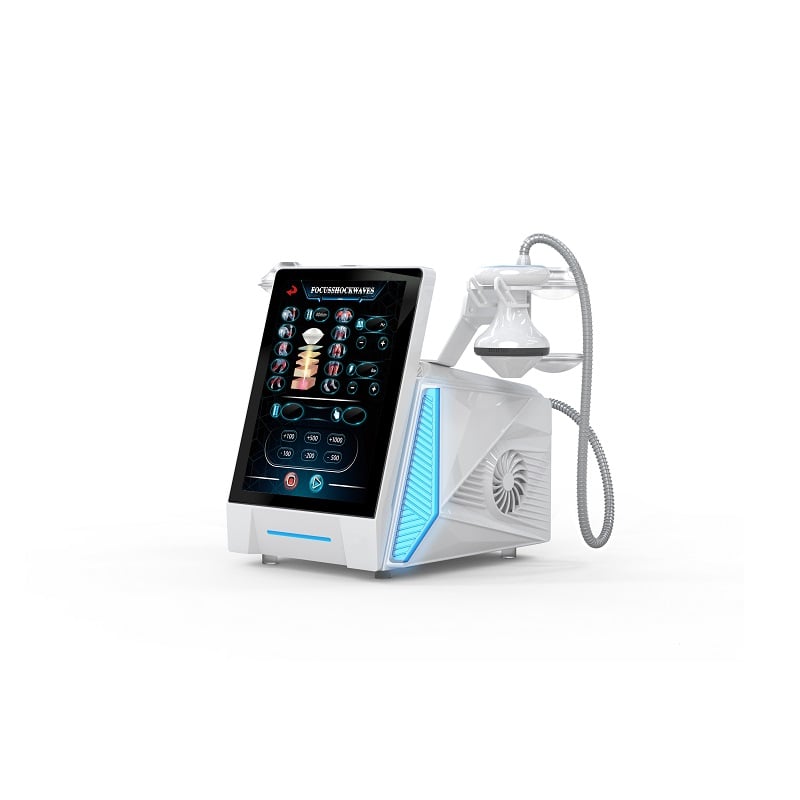
A coupling issue is not automatically a device fault or a patient problem. In extracorporeal shockwave therapy, the applicator must maintain suitable contact so the treatment can be delivered as intended; changes in sensation or output may also have several explanations. This guide covers common coupling problems, practical checks, and ways to make troubleshooting more consistent in musculoskeletal therapy.
A frequent issue is incomplete contact between the applicator head and the skin. On a radial shockwave device, a tilted head, uneven pressure, or movement during application can interrupt the contact surface. The shockwave therapy machine may still appear to operate normally, so clinicians should assess how the applicator is positioned rather than assuming the unit has failed.
Insufficient or uneven gel can leave small gaps between the applicator and skin. In extracorporeal shockwave therapy, those gaps may affect transmission and make the treatment feel inconsistent. For musculoskeletal therapy, apply a suitable layer according to the device instructions, then check that it covers the intended contact area without pooling or drying out during use.
A radial shockwave device requires attention to both angle and contact throughout the session. Reposition the handpiece when the skin contour changes, and avoid dragging it while delivering pulses unless the protocol calls for movement. In musculoskeletal therapy, clear communication helps the patient stay relaxed and still, while allowing the clinician to maintain a stable contact patch.
Coupling problems can also come from an applicator that is not seated, fitted, or connected as specified. Before treatment, confirm that the shockwave therapy machine and applicator components are assembled according to the manual. Do not force a connection or continue if a part appears loose, damaged, or unusually difficult to attach.
If the handpiece feels loose, check the connection only as the manufacturer permits, then stop if the issue remains. A radial shockwave device should not be used with a visibly compromised applicator or cable. Routine inspection supports safer musculoskeletal therapy workflows and helps distinguish a contact issue from a hardware concern.
Unusual sound, inconsistent response, or a change that persists after checking contact warrants a pause and a systematic review. Avoid compensating by making unplanned setting changes on the shockwave therapy machine. Instead, compare the setup with the user guidance, document what was observed, and seek qualified technical support when the cause is unclear.
Begin with the simplest checks: pause delivery, inspect the gel layer, and restore full contact with the treatment area. For a radial shockwave device, hold the applicator at a stable angle and verify that its face sits evenly against the skin. This sequence helps isolate interface problems before staff investigate settings or equipment.
Ask the patient whether the sensation changed and whether they shifted position. In musculoskeletal therapy, movement can alter applicator contact without any change in the machine itself. Resume only when the patient is comfortable and the clinician can maintain the intended position, following the treatment plan and device instructions.
When contact seems correct but delivery remains inconsistent, check that the applicator is the intended type and is properly connected. Extracorporeal shockwave therapy protocols can differ by device and application, so avoid assuming that one handpiece or setup is interchangeable with another. Confirm the approved configuration before proceeding.
If the problem repeats, stop and note the conditions: applicator used, treatment location, gel application, connection status, and any visible wear. A shockwave therapy machine log or maintenance record can help staff identify patterns across sessions without guessing. Escalate persistent problems rather than repeatedly restarting treatment or increasing output to overcome poor coupling.
A short pre-use routine can prevent many avoidable interruptions. Check the shockwave therapy machine, inspect the applicator and cable, prepare the skin as directed, and confirm the handpiece is secure. Keeping the same sequence across operators makes it easier to spot when a condition has changed.
For extracorporeal shockwave therapy, staff training should cover stable positioning, appropriate gel use, patient communication, and the limits of troubleshooting. Training should also clarify when to pause treatment and when to refer a device concern for technical assessment. These steps support consistent practice without replacing clinical judgment or device-specific instructions.
A radial shockwave device may be used across treatment areas with different contours, so the operator should adapt positioning rather than rely on one hand position. Keep the applicator face in contact, reapply gel when needed, and explain any adjustment to the patient. In musculoskeletal therapy, these practical habits make the process easier to reproduce between sessions.
Documenting recurring coupling concerns is useful even when no fault is confirmed. Record whether the issue followed a component change, cleaning, or a particular treatment position. Reviewing those details helps a clinic decide whether additional coaching, a revised setup check, or equipment inspection is the most appropriate next step.
A useful troubleshooting decision is whether the problem changes when contact, gel, or position changes. If it resolves after correcting the interface, the likely cause may be technique or preparation, though repeated events still merit attention. If the issue continues across setups, the shockwave therapy machine or applicator may need inspection under the approved service process.
Do not use patient sensation alone as proof of effective coupling or device performance. Extracorporeal shockwave therapy requires the operator to follow the specified protocol and monitor the treatment appropriately. A clear response from the equipment, stable contact, and adherence to instructions are more useful checks than relying on an assumed sensation threshold.
When different operators report different results, compare their setup steps rather than immediately changing the treatment plan. A radial shockwave device can be sensitive to how the applicator is held and how consistently gel is applied. Standardized instruction and observation can reveal variations that are difficult to identify from memory alone.
Clinics can reduce workflow disruption by keeping inspection and cleaning responsibilities clear. For musculoskeletal therapy, staff should know how to identify visible damage, where to document an issue, and who can authorize continued use after a concern. This approach supports a practical boundary between routine checks and technical repair.
If a component is damaged, a connection remains unstable, or output appears abnormal, stop using the affected setup and follow the device guidance. Do not attempt unauthorized repairs. A shockwave therapy machine should return to service only when the issue has been addressed through the appropriate inspection or support process.
A maintenance record should describe the observed symptom and the checks already completed, not just label the equipment as faulty. For extracorporeal shockwave therapy, this gives technical personnel useful context and reduces repeated testing. Include component details where available, and note whether the issue was present before or after cleaning or replacement.
A radial shockwave device benefits from careful handling, inspection, and storage in accordance with its instructions. These habits do not eliminate every coupling concern, but they can help staff recognize wear earlier and avoid preventable setup problems. Good records also make repeat issues easier to track over time.
Ultimately, dependable coupling comes from combining correct contact, suitable gel, a secure applicator, and a consistent process. In musculoskeletal therapy, the operator should pause when any part of that setup is uncertain rather than compensating with unplanned adjustments. Clear troubleshooting protects the treatment workflow while keeping decisions grounded in the device guidance and clinical protocol.
Pause delivery and check applicator contact, angle, and gel coverage. If the shockwave therapy machine still behaves unexpectedly after those checks, follow the manual and document the issue before continuing.
Yes. Inspect the radial shockwave device applicator and its connection for visible wear or damage, and follow the approved replacement and service instructions. Do not continue with a compromised component.
No. Correct contact and setup first, and follow the treatment protocol rather than making unplanned changes. In musculoskeletal therapy, extracorporeal shockwave therapy decisions should remain based on clinical judgment and device guidance.

