

 EN

common-problems-with-applicator-placement-during-pemf-therapy, common-problems-with-applicator-placement-during-pemf-therapy, /blog
EN
Applicator placement can influence how consistently a session follows its intended treatment plan. With a pemf therapy device, a loop that is off target, too distant, or poorly secured may make setup less repeatable. Understanding common placement problems helps practitioners identify correctable issues before they affect session workflow.
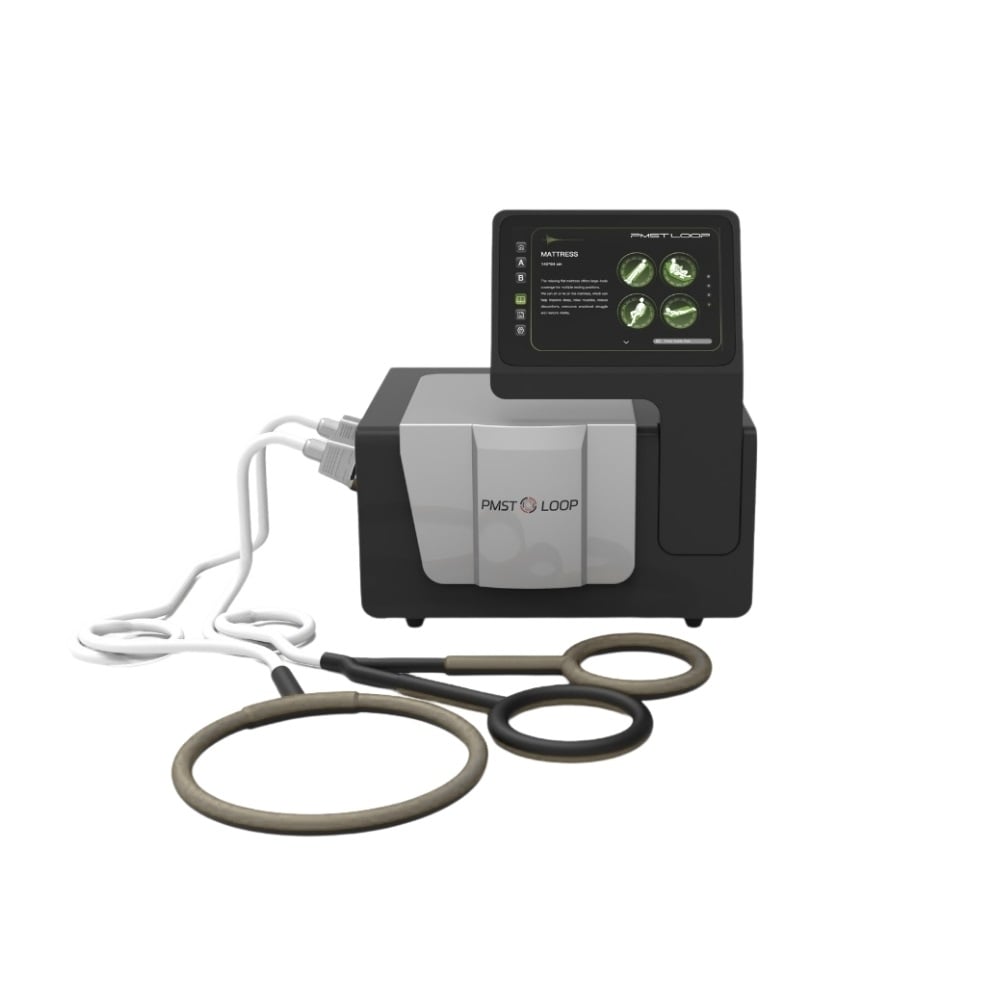
Placement is not simply a matter of putting an applicator near the treatment area. The practitioner must interpret the treatment protocol, position the client or animal comfortably, and keep the applicator stable for the planned duration. Careful use of pulsed electromagnetic field therapy equipment supports consistent setup, while sensible checks help distinguish placement concerns from other factors that may affect the experience.
A frequent problem is aligning the applicator with a broad body region rather than the specific area identified in the protocol. Before switching on a pemf therapy device, confirm the intended target and the applicator orientation. Pulsed electromagnetic field therapy relies on following the equipment instructions; visual proximity alone does not confirm that a loop is positioned as intended.
This can happen when landmarks are unclear, the client changes posture, or several areas need attention. Use the same agreed reference points each time and check alignment from more than one angle. If the treatment plan is ambiguous, pause and clarify it rather than improvising. A recovery therapy device should be used within its instructions and the practitioner’s scope, not as a substitute for an assessment.
Loops and other applicators may be designed to sit at a specified distance or orientation, so avoid assuming every attachment should press directly against the body. Review the manual for the relevant pemf therapy equipment and arrange the applicator accordingly. Keep cables routed so they do not pull the loop away from its intended position during pulsed electromagnetic field therapy.
Excessive pressure is another avoidable issue, especially when a client is uncomfortable or an animal is restless. Secure the applicator without restricting circulation, breathing, or natural movement, and follow the product guidance for spacing. A recovery therapy device setup should feel stable rather than forced. If the correct position cannot be maintained comfortably, reassess the arrangement before continuing.
Small movements can change the relationship between the treatment area and the applicator. A pemf therapy device may appear correctly positioned at the start, then shift as a person adjusts a limb or an animal settles. Explain what stillness is needed, provide comfortable support, and check placement during the session without disrupting the prescribed process.
Avoid solving movement by tightening straps or adding pressure beyond the instructions. Instead, adjust the client’s position, use appropriate supports, and confirm that the loop remains aligned. When pulsed electromagnetic field therapy is part of a repeat treatment plan, recording the position that worked can help staff reproduce it. This is particularly useful when sessions are delivered by different practitioners.
A rushed setup can lead to different applicator positions from one visit to the next. Marking an appropriate reference point in the clinical workflow, where permitted, can improve consistency without creating a rigid placement rule. Check the pemf therapy equipment for the correct loop, cable connection, and orientation, then compare the arrangement with the documented plan.
In multi-area sessions, practitioners may unintentionally change spacing or alignment while moving between sites. Treat every repositioning as a fresh setup: identify the next target, settle the client, and verify the attachment before resuming. The recovery therapy device does not correct an inconsistent placement on its own. A deliberate pause is often more efficient than repeating a session step after noticing a preventable setup error.
A brief pre-session check can catch most placement issues before treatment begins. Confirm the treatment area, selected applicator, orientation, and any distance requirements in the instructions. With a pemf therapy device, also make sure the client or animal is positioned comfortably and the cable will not pull or snag. These checks help establish a consistent starting point.
Invite the client to report discomfort or difficulty maintaining position, and observe whether the applicator remains stable during ordinary breathing or relaxed movement. Do not interpret comfort as proof of correct alignment; verify both independently. For pulsed electromagnetic field therapy, follow the device-specific protocol and stop to seek guidance if the setup cannot meet its stated requirements.
Document useful placement details in a practical, repeatable way, such as body position, applicator orientation, and reference landmarks. This record can support continuity across staff and visits, while leaving room for clinically appropriate adjustments. When using pemf therapy equipment, note any reason the usual placement could not be maintained rather than recording an assumed standard position.
If an applicator repeatedly shifts or cannot reach the intended area comfortably, review the setup, attachment choice, and treatment instructions with the responsible professional. Avoid compensating by changing settings or inventing a placement method. A recovery therapy device is one component of a broader workflow; sound positioning, clear communication, and protocol adherence make that workflow easier to evaluate and repeat.
Compare its current position with the target and reference points established at setup. If a pemf therapy device applicator has moved, pause and reposition it according to the instructions. Record recurring movement so the support or posture can be improved next time.
Not necessarily. Follow the spacing and orientation guidance for the specific attachment and pulsed electromagnetic field therapy protocol. Keep the arrangement comfortable and stable, and consult the equipment instructions when contact requirements are unclear.
Pause and reassess posture, support, and applicator stability rather than forcing the position. Check the pemf therapy equipment guidance and seek appropriate clinical direction. A recovery therapy device should not be used in a way that causes avoidable discomfort or conflicts with its instructions.

