

 EN

common-problems-with-foot-pedal-controls-on-shockwave-units, common-problems-with-foot-pedal-controls-on-shockwave-units, /blog
EN
Foot pedal trouble can interrupt treatment, create uncertainty about when energy is being delivered, and slow a busy clinic. On a shockwave machine, symptoms such as no response, delayed firing, or operation that stops and starts may come from the pedal itself, its connection, operating settings, or the unit’s control system. A careful diagnosis begins by describing exactly what happens.
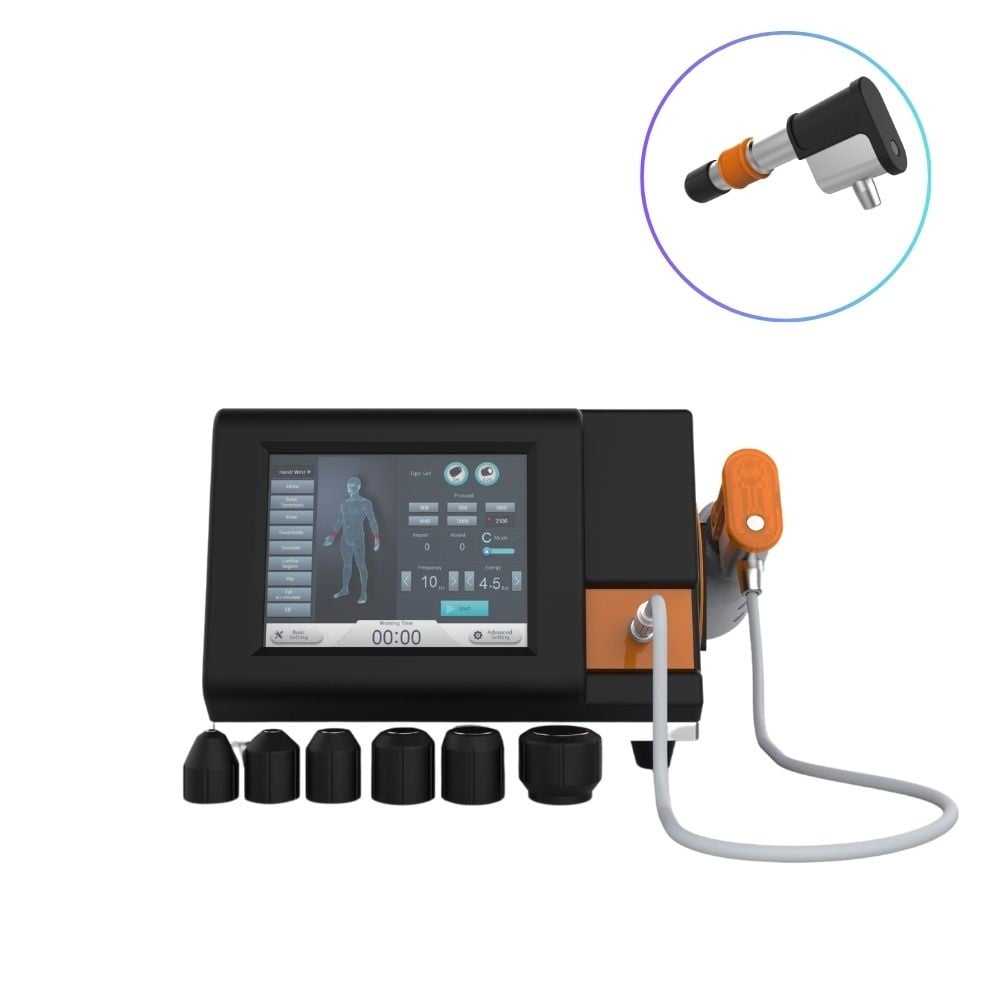
The goal is to distinguish a simple setup issue from a fault that needs technical attention, without bypassing safety features or opening equipment. A shockwave device may respond differently depending on its operating mode, while a shockwave unit may require a specific connection sequence. Understanding these differences helps clinicians explain the fault clearly and restore a reliable physiotherapy shockwave workflow.
If pressing the pedal produces no change, first confirm that the system is powered, ready, and displaying no warning that prevents treatment. Check that the handpiece and other required components are connected as directed in the operating instructions. On a shockwave machine, a pedal can appear faulty when the system is still in standby or a treatment control has not been enabled. Record any indicator lights or messages before changing settings.
Next, inspect the pedal cable and connector for looseness, visible damage, trapped sections, or strain near the plug. Disconnect and reconnect only as the manual permits, and avoid pulling the cable itself. If a shockwave device offers an approved pedal test or status indicator, use that function rather than repeatedly pressing the switch during a treatment session. A shockwave unit that remains unresponsive after basic checks should be taken out of clinical use until assessed.
An inconsistent response often points to a connection that moves, a worn switch, or a cable affected by repeated bending. Consider whether the problem occurs only when the pedal is positioned at a particular angle or when the cable is under tension. A physiotherapy shockwave session depends on deliberate activation, so do not compensate by pressing harder or changing treatment parameters to make the system respond.
Check for a repeatable pattern while following the manufacturer’s safe test procedure. Note whether the issue appears after warm-up, during a particular mode, or after the pedal has been moved. The shockwave machine may also have a control setting that changes pedal behavior; compare the selected mode with the intended workflow. If the fault persists, document the conditions and ask qualified service personnel to inspect the shockwave device and its connection.
Start with the operating guide for the exact model, because connector layout and activation logic can differ. Confirm that the pedal is plugged into the designated port and that the system recognizes it, if recognition is shown. Some systems require a particular startup order or control selection before foot activation is available. These checks can resolve apparent pedal failures without tools or adjustment inside the housing.
Keep the inspection limited to external, user-approved steps. Do not open the casing, bridge contacts, or substitute an unapproved switch to test a shockwave unit. Such work can expose electrical or mechanical hazards and may complicate later service. A shockwave machine should be checked on a stable surface, with cables routed to avoid trip hazards and accidental disconnection during patient care.
A pedal may be working correctly even when energy delivery pauses for another reason. Review the display for alerts, confirm the handpiece is assembled and connected as instructed, and check whether the interruption occurs when the operator releases the pedal or changes a setting. A shockwave device can have protective conditions that stop operation; do not assume every pause indicates a failed switch.
For a useful service report, describe the symptom, when it began, whether it is constant or intermittent, and what the display shows. Include the mode in use and any recent cable movement or cleaning, but do not speculate about internal causes. This record helps a technician distinguish a pedal or cable issue from a control-system problem. In physiotherapy shockwave practice, a clear account also supports consistent decisions about pausing or rescheduling treatment.
Foot pedals are exposed to pressure, movement, dust, and repeated cable flexing. Place the pedal where the operator can use it without twisting the lead, and keep the cable clear of chair bases, carts, and walking routes. Clean only with products and methods approved for the shockwave machine; excess liquid can damage components or enter connectors.
Before a treatment day, a brief visual check can identify a cracked housing, loose plug, damaged insulation, or a switch that feels unusually stiff. Follow the scheduled maintenance instructions rather than relying on feel alone. Store a shockwave device with its leads arranged loosely, not tightly wrapped around the pedal or handpiece. These simple habits cannot prevent every failure, but they can reduce avoidable strain on a shockwave unit.
Stop using the pedal if it activates without being pressed, sticks in the on position, produces inconsistent output, or shows visible damage. Remove the equipment from patient use and follow the clinic’s reporting process. Do not use a workaround that changes activation controls, and do not continue simply because the shockwave machine works intermittently. Safe, predictable activation is essential for controlled treatment.
Contact authorized technical support when approved checks do not resolve the problem, when a warning returns, or when the cable or housing is damaged. Provide the model details, symptom history, display information, and steps already attempted. A technician can determine whether the pedal, connector, or another part requires repair. For a physiotherapy shockwave service, planning an alternative appointment or approved equipment is safer than relying on uncertain activation.
A response that changes with pedal or cable position can indicate a loose connection, internal switch wear, or cable damage. Stop repositioning it during treatment and check only the external connections allowed by the manual. If the shockwave machine remains inconsistent, arrange a technical inspection rather than treating through the fault.
Only use a replacement pedal explicitly approved for the model and specified in its instructions. An unapproved shockwave device accessory may not be electrically or operationally compatible. Ask technical support to confirm suitability before connecting a substitute or running a test.
Stop if activation is unpredictable, the switch sticks, the equipment displays a warning, or the pedal or lead shows damage. A shockwave unit should return to service only after the issue is resolved using approved procedures. This protects controlled operation during physiotherapy shockwave care.

