

 EN

contact-cooling-vs-air-cooling-in-diode-laser-hair-removal, contact-cooling-vs-air-cooling-in-diode-laser-hair-removal, /blog
EN
Contact cooling and air cooling manage skin warmth in different ways during diode laser hair removal. Contact cooling transfers heat away through a cooled treatment tip, while air cooling directs chilled airflow toward the treatment area. For a clinic comparing these approaches, the choice affects handling, treatment rhythm, and how staff prepare clients. A diode laser hair removal machine should be evaluated as a complete system, not by its cooling label alone. The hair removal laser must also suit the planned services and operating conditions.
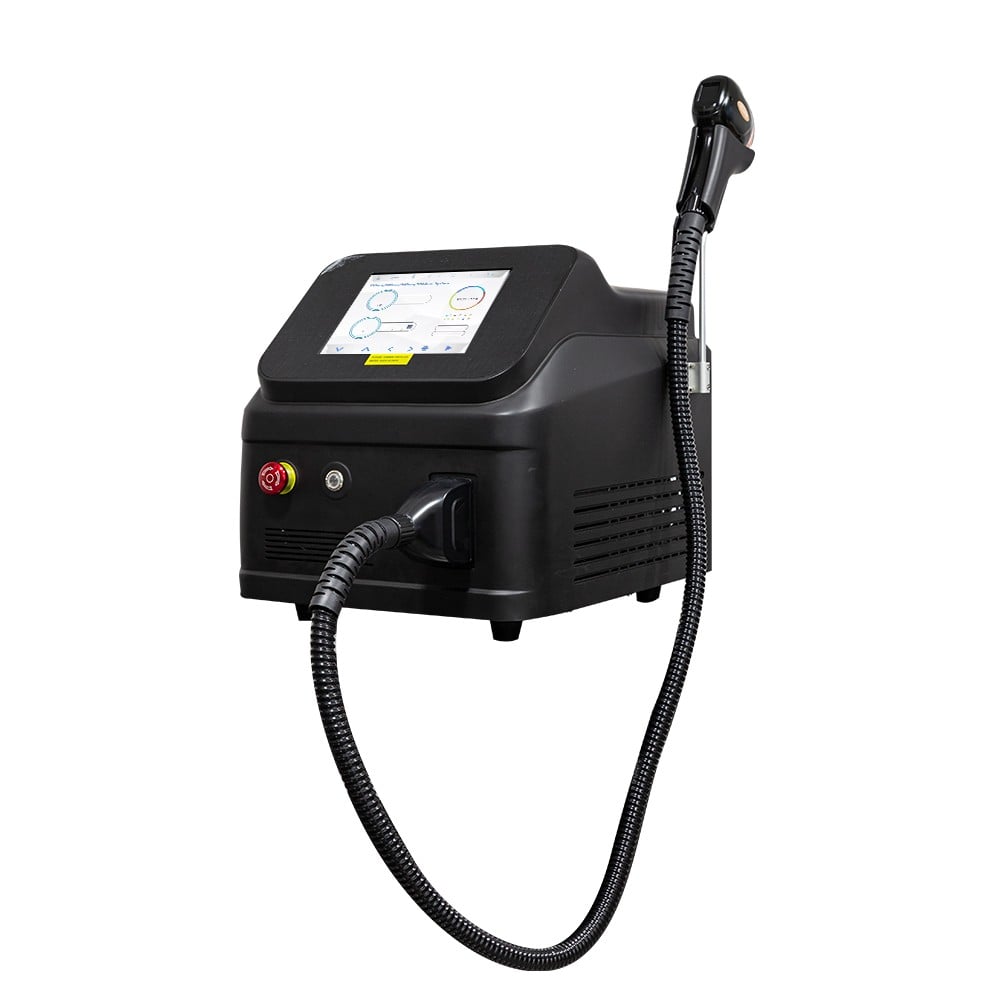
Neither method is automatically better for every practice. A diode laser hair removal machine with contact cooling may provide steady skin-tip contact, while air cooling can offer a non-contact stream and flexibility around the handpiece. The right professional hair removal device is the one whose cooling approach, controls, and treatment workflow match the clinic’s protocols. Understanding how an 808nm diode laser works alongside its cooling system helps teams compare options on practical grounds.
With contact cooling, a chilled surface at the applicator touches the skin during delivery. This creates a direct heat-transfer path at the treatment point and can help limit surface warmth as the operator moves across an area. In a diode laser hair removal machine, the tip design, contact pressure, and movement technique all influence the experience. The hair removal laser still requires appropriate settings and consistent technique; cooling does not replace those controls.
A sapphire contact tip is one example of this approach, although device designs and operating instructions vary. The practitioner should keep the tip clean, inspect it as directed, and maintain suitable contact without pressing excessively. When assessing an 808nm diode laser, consider how the chilled surface feels on different treatment areas and whether the handpiece remains manageable over a full session. For a professional hair removal device, usable ergonomics matter as much as the cooling feature itself.
Air cooling directs chilled air toward the skin rather than relying on a cooled surface pressed against it. This can suit workflows where a non-contact cooling stream is preferred or where the operator wants to keep the treatment window clear of sustained pressure. With a hair removal laser, the airflow position and distance should remain consistent with the equipment guidance. Clinics should also account for room conditions, hose routing, and noise when reviewing an 808nm diode laser setup.
Because air cooling acts through a stream, its effect can depend on how the handpiece and airflow are positioned during movement. Staff need clear instructions for coordinating cooling with pulses instead of assuming air alone ensures comfort. A professional hair removal device should make the cooling controls understandable and accessible during treatment. Compare that workflow with a diode laser hair removal machine using contact cooling, and assess which method is easier to use consistently across the clinic’s common treatment zones.
Cooling contributes to treatment comfort, but it is only one factor. Treatment area, individual sensitivity, settings, preparation, and operator technique all matter. A hair removal laser should be used according to its instructions, with communication that allows the client to report excessive discomfort. In a diode laser hair removal machine, contact cooling may feel like a cool surface against the skin, while air cooling feels like directed airflow. Those sensations are different, not a universal ranking of comfort.
A practical evaluation should include representative treatment areas and a consistent consultation process, rather than relying on a brief demonstration on one spot. Discuss expected sensations and check comfort throughout the session. An 808nm diode laser can be paired with different system designs, so wavelength alone does not determine how cooling feels. For a professional hair removal device, the clinic should be able to explain both its cooling method and the steps staff follow if a client reports discomfort.
Contact cooling makes tip placement and movement central to the workflow. Operators should understand the required contact and movement pattern, and should avoid treating tip pressure as a substitute for correct settings. When a diode laser hair removal machine is shared among staff, documented technique helps keep sessions consistent. The hair removal laser workflow should also include preparation, suitable protective measures, and post-treatment observation in line with professional protocols.
Air cooling adds attention to airflow direction, distance, and coordination with the handpiece. Teams may need to check hose placement and ensure the stream reaches the intended area without disrupting the operator’s movement. During an 808nm diode laser demonstration, observe whether controls can be adjusted without interrupting treatment. A professional hair removal device should fit the pace and room layout of actual appointments, not just look convenient during a short equipment presentation.
Start by defining the services, treatment areas, appointment pattern, and staff experience the equipment must support. Then compare how each cooling approach fits those needs. A hair removal laser used across varied zones may call for a different handling preference than one used mainly for a narrow service range. When considering a diode laser hair removal machine, review applicator weight, cooling controls, cleaning requirements, and the instructions available to operators.
Ask for a demonstration that reflects the clinic’s real workflow, including setup, handpiece movement, and client communication. The operator should be able to explain how cooling works and identify what requires adjustment during a session. An 808nm diode laser is one part of the system, not a complete measure of suitability. A professional hair removal device should also offer clear operating guidance and maintenance information that the clinic can incorporate into its procedures.
Before implementation, train staff on the device instructions, cooling method, settings, client screening, and protective measures. Define how operators will inspect contact surfaces or confirm airflow, depending on the design. A diode laser hair removal machine should be maintained according to its documentation, and any unusual behavior should be addressed before routine use. These steps support a consistent process without implying that one cooling type removes the need for professional judgment.
Review the experience after staff have used the system in normal appointments. Gather feedback on handling, client comfort, session flow, cleaning, and room suitability, then update training where needed. The hair removal laser should fit established clinical protocols, while an 808nm diode laser’s cooling features should be understood in the context of the full device. This practical review helps determine whether the selected professional hair removal device remains appropriate as services and team needs evolve.
It may feel comfortable to some clients, but responses vary. Comfort also depends on settings, treatment area, preparation, and technique. Ask about sensation during treatment and follow the diode laser hair removal machine instructions. The cooling approach of an 808nm diode laser should be assessed alongside the clinic’s client-care process.
Not necessarily. Consider room layout, airflow positioning, noise, and staff familiarity before selecting a professional hair removal device. A hair removal laser with air cooling can fit some workflows, while others may prefer contact cooling. A demonstration using realistic treatment movements is more useful than judging the method by description alone.
Compare how the system feels and operates in the clinic’s intended services, then review training, cleaning, maintenance, and instructions. A diode laser hair removal machine should support consistent technique rather than relying on cooling to compensate for unsuitable settings. Also confirm how the hair removal laser and its cooling controls fit existing safety procedures.

