

 EN

cryolipolysis-vs-cavitation-fat-reduction-mechanisms-compared, cryolipolysis-vs-cavitation-fat-reduction-mechanisms-compared, /blog
EN
Cryolipolysis and cavitation both aim to reduce localized fat without surgery, but they work through different physical mechanisms. A cryolipolysis machine cools tissue in a controlled way, while cavitation equipment uses ultrasound energy. Knowing what separates these approaches helps clinics explain treatment options, plan sessions, and choose a fat freezing device or other body contouring equipment that suits their service model.
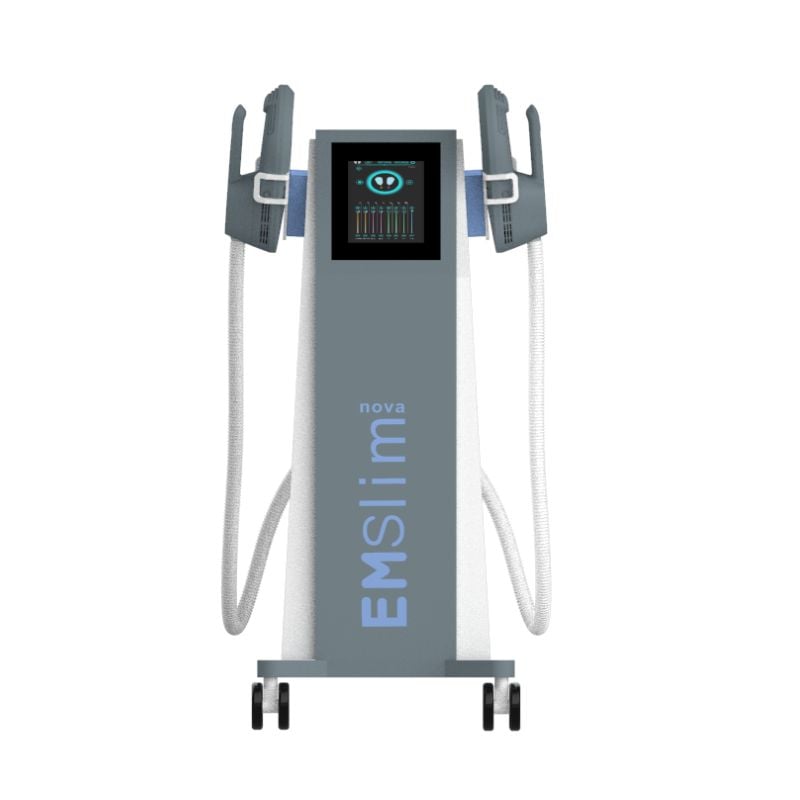
The key distinction is how each method interacts with tissue: cryolipolysis uses controlled cooling, whereas cavitation applies acoustic energy. Neither replaces weight management or treats obesity, and neither should be presented as a universal solution. For a clinic comparing a cryolipolysis treatment with cavitation, the useful questions concern mechanism, client suitability, operating requirements, and realistic expectations.
Cryolipolysis applies cooling to a selected area, often using an applicator that draws tissue into a cup or holds it against a cooled surface. The intent is to expose fat cells to controlled cold while limiting effects on surrounding tissue. A cryolipolysis machine therefore needs temperature management, applicator contact, and an operating protocol that matches the treatment area.
A fat freezing device does not instantly remove fat from the body. After exposure, the body processes affected cells gradually, so visible change develops over time rather than during the appointment. Staff should explain this sequence clearly and avoid promising a fixed result. The cryolipolysis treatment plan should also account for client screening and the specific device instructions.
Cavitation uses ultrasound energy delivered through a handpiece placed on the skin. The energy is intended to create pressure changes in targeted tissue, affecting fat-cell structures without the cooling cycle used in cryolipolysis. As a result, a cavitation system operates differently from a cryolipolysis machine: contact technique, energy settings, and movement of the handpiece guide the session.
Cavitation is commonly positioned as a noninvasive body-shaping service, but its mechanism should not be confused with freezing fat. A fat freezing device relies on a controlled cold exposure, while ultrasound equipment relies on acoustic energy. Clinics should explain what the chosen protocol can and cannot do, and assess whether their body contouring equipment is designed for the planned treatment area.
Cryolipolysis usually involves fitting an applicator to a treatment zone and maintaining contact for a prescribed cycle. A cryolipolysis machine may offer different applicator shapes, so the clinic must consider the areas it intends to serve, the room workflow, and the device's operating guidance. A cryolipolysis treatment also calls for careful skin checks and clear aftercare instructions.
Cavitation sessions instead require the operator to move an ultrasound handpiece across the selected area according to the protocol. The client may experience warmth or sound-related sensations, but comfort varies. A fat freezing device can create a distinctly cold sensation during application, followed by temporary local effects. These differences affect consultation language and how a clinic schedules each service.
Neither approach is a substitute for weight loss, and outcomes vary with anatomy, treatment parameters, and individual response. Cryolipolysis is generally discussed for localized areas with tissue that can be positioned in the applicator. A cryolipolysis treatment therefore begins with screening, a review of relevant health factors, and an honest conversation about gradual change.
Cavitation may suit clients seeking a different noninvasive body-shaping approach, provided they understand its method and the evidence and limits of the specific system. It is not interchangeable with a fat freezing device. In either case, practitioners should avoid guaranteeing a circumference change or suggesting that one session produces the same response for every client. The equipment protocol and client assessment shape expectations.
A clinic comparing modalities should start with its intended client profile and treatment goals, then review the practical demands of each system. A cryolipolysis machine may be a fit when the service plan centers on localized cooling sessions and the clinic can support applicator setup and screening. A cavitation system has different workflow needs, including operator control of the handpiece during treatment.
Review device instructions, training requirements, maintenance, treatment area options, and contraindications before adding either modality. Body contouring equipment should be selected around safe, repeatable clinical processes rather than a headline feature. If cryolipolysis is under consideration, compare the applicator design and cooling controls with the clinic's service needs, not just the equipment's appearance.
A useful consultation explains the mechanism in plain language, checks suitability, documents the chosen area, and sets a follow-up plan. For cryolipolysis, staff should describe the cooling cycle and gradual response. For cavitation, they should describe the ultrasound procedure and its distinct limitations. A cryolipolysis treatment should follow the device protocol rather than assumptions based on another system.
The final decision is not simply which technology sounds more advanced; it is which approach the clinic can deliver responsibly for an appropriate client. Compare training, workflow, informed consent, support needs, and the available evidence for the intended use. A suitable fat freezing device or ultrasound platform belongs within a broader care process, where body contouring equipment supports sound assessment rather than replacing it.
No. Cryolipolysis uses controlled cooling, while cavitation applies ultrasound energy. A cryolipolysis machine and a cavitation system therefore require different operating procedures, and a fat freezing device should not be described as an ultrasound device. Both approaches need accurate client screening and realistic discussion of results.
Explain that treatment response varies and avoid promising a specific result or deadline. With a cryolipolysis treatment, changes are not immediate because the body processes affected cells over time. Discuss the protocol, follow-up, and limitations for the selected body contouring equipment before a client decides to proceed.
Start with intended use, client suitability, staff training, operating instructions, and the clinic's ability to deliver consistent care. A cryolipolysis machine should match the planned treatment areas and workflow, while a fat freezing device needs appropriate cooling controls. Consider the full service pathway when evaluating body contouring equipment, including consultation, consent, and aftercare.

