

 EN

cryolipolysis-vs-radiofrequency-contouring-expected-results, cryolipolysis-vs-radiofrequency-contouring-expected-results, /blog
EN
Cryolipolysis and radiofrequency contouring can both change body shape without surgery, but they do not produce the same kind of result. Cryolipolysis is intended to reduce localized fat, while radiofrequency is commonly used to heat tissue and support skin tightening. A clinic choosing a cryolipolysis machine should explain this distinction before discussing likely outcomes.
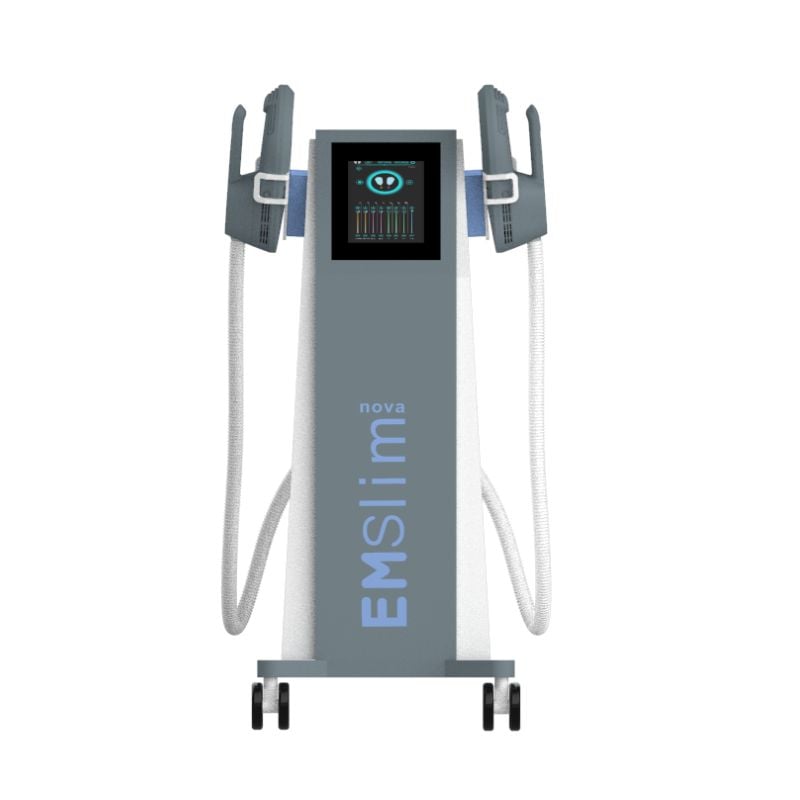
The practical comparison is therefore about goals, timing, and suitability—not which method is universally better. A fat freezing device targets selected areas of pinchable fat, whereas radiofrequency-based body contouring equipment is chosen when warmth, tissue response, or skin appearance is central to the plan. A cryolipolysis treatment also requires realistic expectations about gradual change.
Cryolipolysis uses controlled cooling at a treatment site to affect some of the fat cells in the applicator area. The expected result is a gradual reduction in a localized bulge, not a change in overall body weight. A cryolipolysis treatment is best understood as contour refinement, and a fat freezing device is not a substitute for weight management.
Visible change develops over time as the body processes affected cells, so the immediate appearance after a session is not a reliable preview of the final contour. Providers should describe a range rather than promise a precise result. A cryolipolysis machine must suit the treatment area and client, while body contouring equipment should be selected around the intended outcome.
The treated area may feel temporarily tender, numb, swollen, or bruised, and individual responses vary. These effects do not mean that more aggressive settings will improve the outcome. During a cryolipolysis treatment, correct application and screening matter; clients should follow the provider's instructions and raise unexpected or persistent symptoms with a qualified clinician.
Radiofrequency contouring delivers energy that warms tissue. Depending on the system and protocol, the intended visible benefit may center on skin firmness or a smoother appearance rather than the same localized fat reduction expected from cooling. As body contouring equipment, radiofrequency systems therefore address a different concern and should not be presented as interchangeable with a fat freezing device.
Some protocols involve a series of appointments, and results may appear gradually. The treatment experience, energy delivery, and suitable areas depend on the specific system and the client's circumstances. Clinics comparing a cryolipolysis machine with radiofrequency options should distinguish the treatment mechanism from the outcome claim, then match each explanation to the service actually offered.
A useful consultation starts by identifying what the client wants to change. A distinct, pinchable pocket may make cryolipolysis worth discussing, while loose-looking skin may call for a conversation about radiofrequency or another appropriate approach. Neither a cryolipolysis treatment nor other body contouring equipment can address every concern, and expectations must reflect the person's anatomy.
Health history, skin condition, treatment area, and comfort with the process can influence candidacy. Providers need to screen clients using the device instructions and their professional protocols rather than relying on a marketing description. A fat freezing device is designed for defined application areas, and a cryolipolysis machine should only be used within its approved operating guidance.
The desired change also matters: reducing a small bulge is different from improving skin texture or seeking substantial weight loss. Discussing the distinction prevents clients from judging one method against a goal it was not designed to meet. When discussing body contouring equipment, clinics should connect each option to a specific, achievable objective.
Cryolipolysis results are not generally assessed immediately after treatment. The provider should explain when follow-up is appropriate, how progress will be reviewed, and what variation between people can look like. A cryolipolysis treatment plan may differ by area and client; a fat freezing device does not guarantee an identical timeline for everyone.
Radiofrequency outcomes also depend on the system, settings, treatment schedule, and the concern being addressed. Clinics should avoid transferring expectations from one technology to another simply because both are described as non-invasive contouring. A cryolipolysis machine and radiofrequency body contouring equipment have different mechanisms, so their protocols and evaluation points need clear separation.
Photos taken under consistent lighting and positioning can help document gradual changes, provided the client consents and records are handled appropriately. Measurements may add context, but they should not replace a visual and clinical assessment. Before starting a cryolipolysis treatment, agree on the area, the intended change, and a reasonable review window.
Explain that cryolipolysis focuses on localized fat reduction and radiofrequency commonly focuses on heating tissue, with potential skin-related benefits depending on the device. Avoid promising weight loss, perfect symmetry, or a guaranteed degree of change. When clients ask about cryolipolysis, describe the likely type of contour change alongside uncertainty and candidacy.
A clinic's decision should include treatment purpose, training, operating instructions, maintenance needs, and how the service fits its consultation workflow. Reviewing a cryolipolysis machine means checking the intended use and applicator options, not judging a device by appearance alone. Broader body contouring equipment planning should also consider staff competency and client-care processes.
For a client comparing options, discuss the area of concern first, then explain what each approach can reasonably target. A fat freezing device may suit a localized fat concern when the person meets screening criteria; radiofrequency may fit a different treatment objective. The distinction makes the conversation more useful than presenting both as general slimming solutions.
Clear aftercare information and access to follow-up support contribute to responsible service delivery. Staff should know how to document settings, appointments, and client feedback according to clinic policy. Whether a provider offers a cryolipolysis treatment or radiofrequency sessions, consistent communication helps clients assess progress without assuming that early changes predict the final result.
No. The appearance immediately after a session is not the final outcome. A cryolipolysis treatment is generally evaluated over time, and the pace and degree of visible change vary. Providers should explain follow-up timing and avoid guaranteeing a particular result.
No. A fat freezing device applies controlled cooling to a selected area, while radiofrequency delivers energy that heats tissue. A cryolipolysis machine and radiofrequency body contouring equipment have different mechanisms and intended outcomes, so they should not be described as equivalent.
Tie the explanation to the client's concern, candidacy, and the method's intended use. For cryolipolysis, discuss localized contour change, gradual assessment, and individual variation. For radiofrequency, clarify the relevant skin or tissue goal. Set a review plan and describe limitations before treatment begins.

