

 EN

diode-laser-hair-removal-machine-buying-guide-for-beauty-equipment-distributors, diode-laser-hair-removal-machine-buying-guide-for-beauty-equipment-distributors, /blog
EN
For beauty equipment distributors, buying a diode laser hair removal machine is a portfolio and service decision as much as a technical one. The right evaluation connects client demand, operating requirements, training, and support to a realistic sales plan. Consider how this category complements services such as an endolift laser or a slimming machine without treating different technologies as interchangeable.
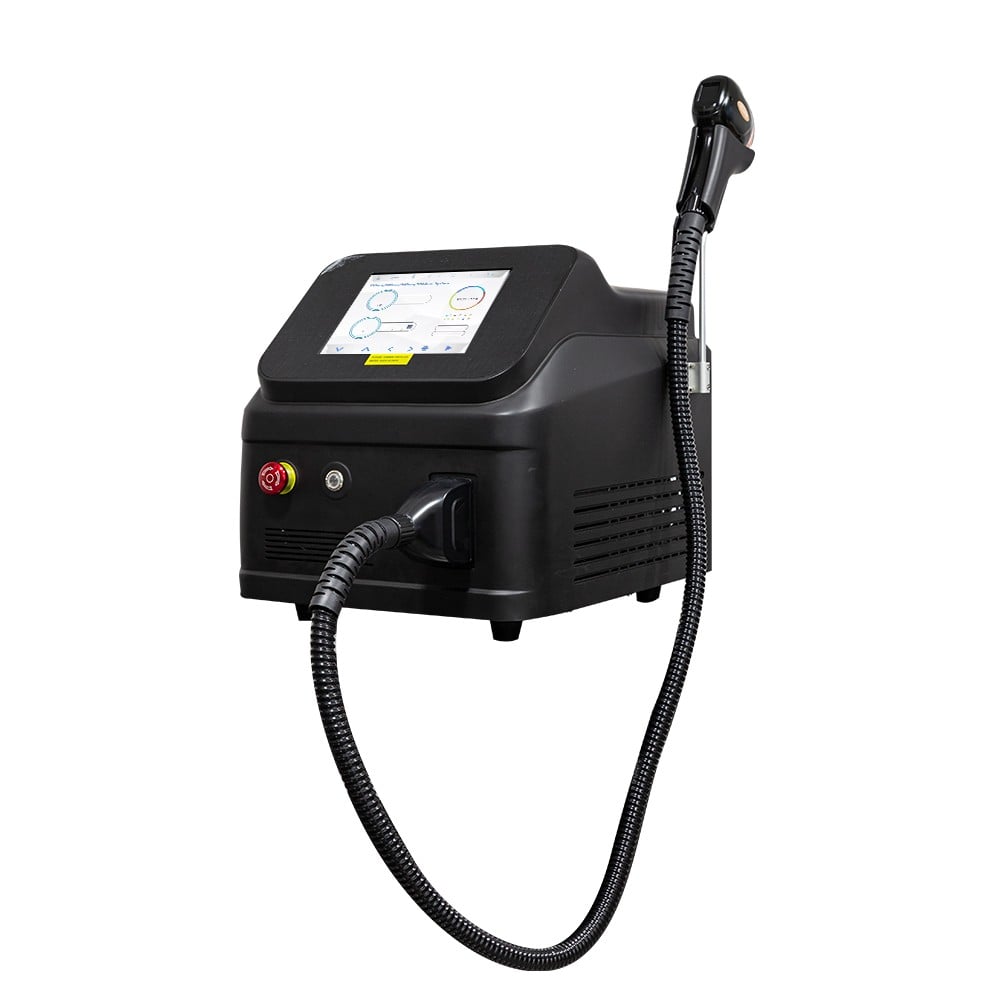
A disciplined buying process starts with the buyers you serve: clinics, salons, or multi-service aesthetic practices. Their needs may differ from customers evaluating hydrafacial systems or physiotherapy equipment, so clarify the intended treatment setting before comparing offers. This guide focuses on the decisions distributors should make before committing to a model, including specification review, commercial fit, supplier readiness, and practical acceptance checks.
Start with the intended users, treatment areas, and expected appointment volume. A diode laser hair removal machine should be assessed through its wavelength configuration, power details, spot size, repetition settings, and cooling approach, rather than one headline number. Ask for complete technical documentation and clarify which figures describe the handpiece and which describe the system. This level of detail helps you explain differences responsibly and position the equipment beside an endolift laser or a slimming machine in a broader catalog.
Review the device interface and handpiece design with a demonstration, not only a specification sheet. Confirm how operators adjust treatment parameters, identify the applied settings, and clean or inspect the contact surfaces. A clear explanation of cooling features matters because buyers need to understand their role and limits. Compare this treatment workflow with hydrafacial offerings in your portfolio, while keeping the clinical purpose and operating requirements distinct.
Map likely demand to actual customer profiles. A specialist hair-removal clinic may prioritize throughput and staff training, while a general aesthetic practice may value a machine that fits its existing room, booking pattern, and service mix. Discuss these needs alongside an endolift laser, a slimming machine, hydrafacial services, or physiotherapy equipment only as separate categories within the buyer’s wider business. That context helps you forecast interest without assuming that one device automatically creates demand for another.
Before placing an order, establish who will install the machine, train operators, and answer technical questions after delivery. Request the training format, user documentation, warranty terms, service process, and availability of replacement parts in writing. These details affect your ability to support accounts over time. They also help you distinguish the requirements of a diode system from those associated with a slimming machine or physiotherapy equipment, where setup and ongoing care may follow different routines.
Check the practical room requirements, including electrical supply, ventilation guidance, storage, and the space needed for treatment and movement around the unit. Ask how the device is packed and what inspection steps are recommended on arrival. A hydrafacial station or an endolift laser setup may occupy the same customer’s investment plan, but each has its own installation and workflow needs. Keep those needs separate in your planning and communicate them clearly to the buyer.
Estimate total ownership costs rather than judging a purchase by equipment price alone. Include freight, duties where applicable, training time, installation, consumables, maintenance, and the internal effort required to support customers. Compare the expected commercial role of the diode laser with other categories such as hydrafacial services, a slimming machine, or physiotherapy equipment. A grounded forecast should identify the target customer, expected sales cycle, and resources needed without relying on unverified revenue projections.
Ask for product specifications, operating instructions, safety information, warranty coverage, and relevant regulatory documentation for the markets where you intend to sell. Confirm that model names and specifications match across the quotation, manuals, and product materials. When discussing an endolift laser, hydrafacial systems, or physiotherapy equipment in the same portfolio review, request category-specific documents instead of assuming one set of records covers every device. Precise paperwork reduces ambiguity for your team and customers.
Use a demonstration or sample evaluation to test what matters in everyday use: interface clarity, handpiece handling, parameter controls, cooling operation, and the quality of supplied instructions. Ask direct questions when claims are unclear, and record the responses for internal review. Compare the machine’s documented functions with the needs of customers considering a slimming machine or other equipment, but do not infer capabilities from a neighboring category. The goal is evidence-based fit, not a broad promise.
Before finalizing an order, agree on delivery condition, included accessories, training arrangements, and the process for reporting transit damage or technical issues. Create an internal acceptance record that checks the delivered model against the agreed configuration and documents any discrepancies. This is useful whether the customer also plans hydrafacial treatments, physiotherapy equipment, or an endolift laser; each item should be received and verified against its own requirements. Clear criteria give your sales and service teams a consistent handover.
A sound buying decision joins product suitability with support capacity and a credible route to market. If the technical information, service arrangements, and customer use case are clear, you can present the diode laser hair removal machine with realistic expectations. If important details remain unresolved, pause and ask for clarification before making a commitment. This disciplined approach supports a more useful portfolio decision than relying on a single specification or sales claim.
Begin with wavelength configuration, power information, spot size, operating controls, cooling approach, and documentation. Ask how the details relate to the intended customer’s workflow, and check training and service terms before comparing an endolift laser or other category on price alone.
Define the target account and its likely treatment setting, then evaluate whether the machine fits its space, staffing, and service plans. Consider hydrafacial and physiotherapy equipment as separate offerings, and assess a slimming machine or related category on its own customer need.
Confirm the exact configuration, delivery terms, included accessories, training, warranty, documentation, and issue-resolution process. Align acceptance checks with the agreed specification, then make sure customers receive clear guidance rather than assumptions drawn from another device category.

