

 EN

diode-laser-hair-removal-machine-specifications-a-guide-for-professional-buyers, diode-laser-hair-removal-machine-specifications-a-guide-for-professional-buyers, /blog
EN
Buying a diode laser hair removal machine requires more than checking a headline power figure. Professional buyers need to verify how wavelength options, pulse controls, cooling, handpiece design, and service support fit their treatment plans and operating conditions. A useful specification review translates technical details into questions about patient suitability, staff workflow, room capacity, and ownership requirements. It also helps distinguish documented capabilities from features that still need clarification.
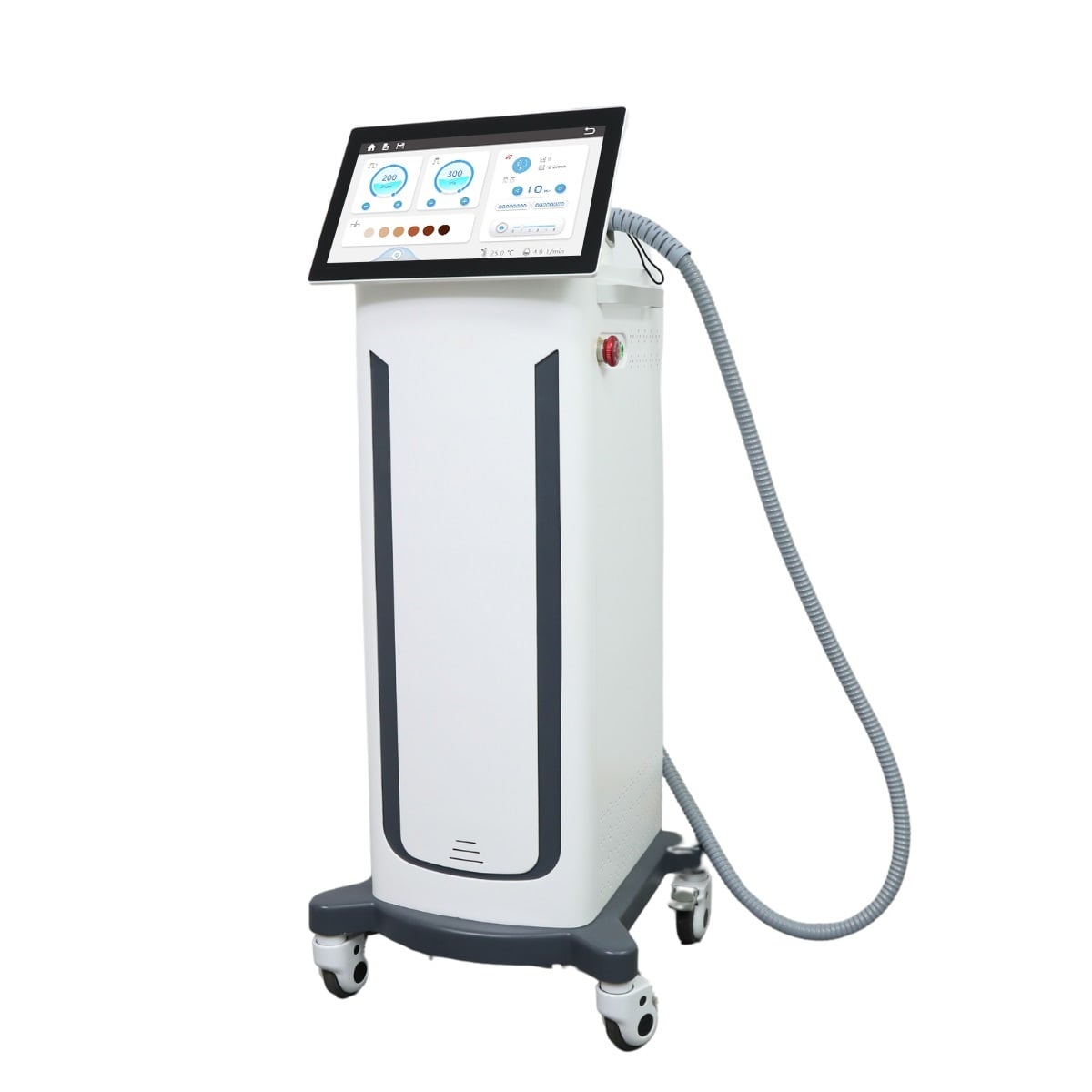
This guide explains which specifications deserve close attention and how to compare them consistently before purchase. The goal is not to choose the largest number on a brochure, but to determine whether the proposed system supports the clinic’s intended protocols and practical constraints. If a business also evaluates hifu or a fractional co2 laser machine, keep those technology assessments separate: each device has distinct indications and specification criteria.
Start by defining the patient profiles, treatment areas, and operating protocols the clinic expects to serve. Ask the supplier to identify the wavelength or wavelength combination in the proposed diode laser hair removal machine and provide the technical documentation for each option. The number of wavelengths alone does not establish suitability; buyers need to understand how settings are selected and what training supports their use. A clinic assessing a picosecond laser should document its separate purpose rather than treating it as a substitute.
Request clear explanations of pulse duration, repetition rate, spot size, and available energy settings, including the units used in the specification sheet. These controls affect how practitioners configure a treatment, but a listed range does not guarantee that every combination is available in practice. Ask for the permitted operating combinations and the method for changing them. Clinics that also consider a fractional co2 laser machine can use the same disciplined document review while evaluating that system on its own technical and clinical basis.
Rated power can help describe a system, but it should not be used as a stand-alone measure of treatment speed or outcomes. Clarify whether the stated value refers to electrical input, optical output, or another rating, and request supporting definitions. Review the control interface with staff who will operate the diode laser hair removal machine. Their feedback can reveal whether menus, presets, and parameter displays are understandable under routine working conditions. A hifu device requires its own workflow assessment, not assumptions based on diode controls.
Consider the handpiece alongside the console. Buyers should check its weight, cable length, cooling contact area, connector design, and expected maintenance process. Ask how the display communicates selected settings and whether the system records treatment parameters in a way the clinic can review. These practical details can influence room turnover and staff comfort. If the clinic is also considering a microneedling machine, compare cleaning and setup needs separately instead of assuming its operating workflow resembles laser equipment.
Cooling deserves a documented explanation, not just a label in sales material. Ask what cooling method the diode laser hair removal machine uses, which components it serves, and what checks an operator should complete before treatment. Request instructions for recognizing a fault or interruption and the recommended response. Include hifu and fractional co2 laser machine in a broader facility equipment review only as separate devices, since their safety procedures and operating controls should not be inferred from diode system documentation.
Review the supplied safety materials for operator training, protective eyewear guidance, room controls, maintenance checks, and incident procedures. Confirm that the documentation corresponds to the exact configuration offered, including handpieces and software options. A buyer evaluating a picosecond laser or microneedling machine should request device-specific instructions for those systems as well. Keep records of the documents received and identify any missing items before approval, rather than relying on verbal assurances during a demonstration.
Assess the physical installation before accepting a quotation. Confirm the system’s dimensions, weight, electrical requirements, ventilation needs, and any environmental limits stated by the manufacturer. Then consider how the cart and cables move through the clinic and whether the treatment room has suitable storage. These checks matter for the diode laser hair removal machine because installation constraints can affect day-to-day access. Apply comparable site planning to a hifu system, but use its own specifications and room requirements.
A structured demonstration should follow the tasks staff will perform, from startup and parameter selection to handpiece handling, shutdown, and routine cleaning. Ask the representative to explain warnings and show how settings are confirmed before use. Record questions that remain unresolved. If the clinic also reviews a fractional co2 laser machine, a picosecond laser, or a microneedling machine, use separate demonstrations and evaluation records so that controls, consumables, and safety checks do not blur together.
Before purchase, establish what routine maintenance involves, which parts are considered consumable, and how service requests are handled. Ask for written warranty scope, response arrangements, training availability, and the process for obtaining replacement parts. Compare those commitments with the clinic’s expected operating schedule and internal technical capacity. Buyers considering hifu alongside a diode laser hair removal machine should check support for each product independently, since service coverage may differ across equipment categories and configurations.
Request an itemized quotation that identifies the console, handpieces, included accessories, training, installation, warranty, and any optional software or service packages. Clarify whether ongoing costs are fixed, usage-based, or dependent on parts replacement. A fractional co2 laser machine may have different recurring requirements from a diode system, so avoid applying one device’s cost assumptions to another. Likewise, confirm whether the quoted configuration matches the specifications and documentation reviewed by the purchasing team.
Use a written evaluation record to compare the offered configuration with the clinic’s requirements. Note verified specifications, unanswered questions, training needs, installation conditions, and service obligations. Where other equipment is under review, record hifu, fractional co2 laser machine, picosecond laser, and microneedling machine as separate procurement items rather than treating them as equivalent alternatives. This makes the decision traceable and helps clinical, operations, and finance teams review the same information.
A final review should connect specifications to a realistic operating plan. Confirm who will oversee training, how staff will follow approved protocols, and how maintenance and service records will be retained. The diode laser hair removal machine should meet documented needs without depending on unclear claims or unverified options. If the clinic plans to add a picosecond laser or microneedling machine, schedule separate assessments and budget reviews so each purchase has an appropriate rationale.
Begin with the intended protocols, then verify wavelength information, parameter ranges, handpiece details, cooling, and safety documents against those needs. For hifu or a fractional co2 laser machine, use a different checklist suited to that device rather than borrowing diode criteria.
No. Buyers should first confirm what the rating measures and how it relates to the stated operating settings. Request clear technical definitions and verify the configuration. Use equally careful, device-specific evaluation when reviewing a picosecond laser or microneedling machine.
Confirm the exact configuration, included accessories, installation requirements, training, warranty, maintenance expectations, and service process in writing. Keep the diode laser hair removal machine documentation with the purchasing record, and assess hifu, fractional co2 laser machine, picosecond laser, and microneedling machine separately if they are also being considered.

