

 EN

diode-laser-hair-removal-machine-vs-ipl-machine-key-differences-for-buyers, diode-laser-hair-removal-machine-vs-ipl-machine-key-differences-for-buyers, /blog
EN
For buyers comparing hair-reduction equipment, the main difference between a diode laser hair removal machine and an ipl machine is how each delivers light to the hair follicle. A diode system uses a specific laser wavelength, while IPL uses a broader band of filtered light. The distinction affects treatment planning, operator workflow, and the client profiles a business can reasonably serve. HIFU, picosecond laser, and fractional co2 laser systems address other treatment goals, so they are useful context but not direct substitutes for hair-removal equipment.
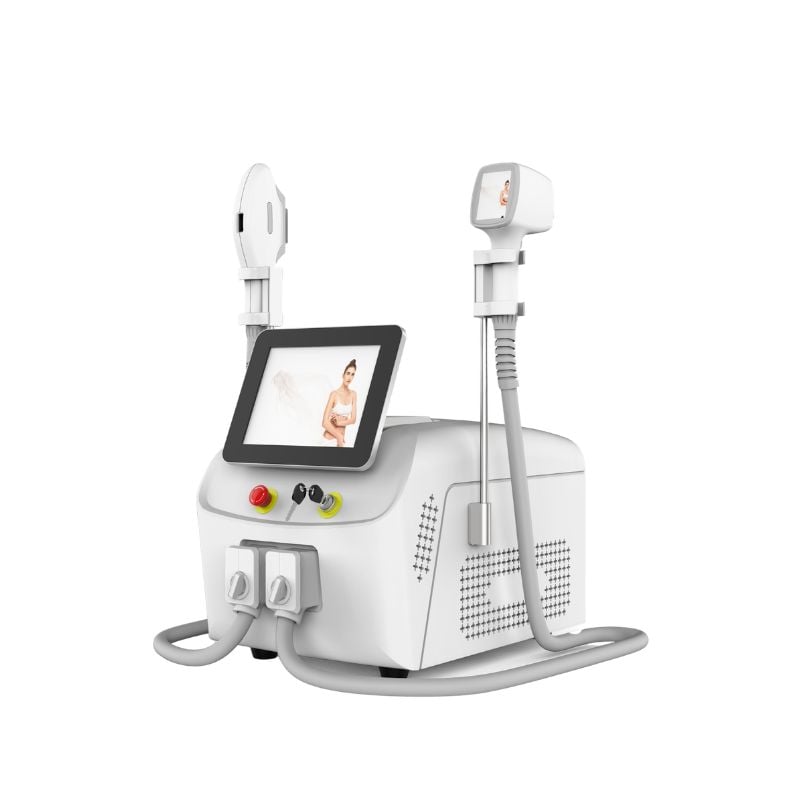
The right choice depends on more than the device name. Buyers should compare wavelength and delivery method, intended client range, treatment pace, cooling and ergonomics, service requirements, and the business model behind the purchase. A diode laser hair removal machine may suit a focused hair-removal service, while an IPL platform may be considered when a practice values broader light-based applications.
A diode laser emits light at a selected wavelength designed to target pigment in the hair shaft and follicle. An ipl machine emits a wider range of wavelengths that filters narrow for the intended application. This difference influences how energy is delivered and how the operator chooses settings for skin tone, hair characteristics, and treatment area. HIFU uses focused ultrasound rather than light, while a picosecond laser and fractional co2 laser are generally associated with other skin-treatment objectives.
In a hair-removal consultation, the operator needs to assess whether the client’s hair and skin characteristics suit the device’s operating parameters. An ipl machine may provide adjustable filters and settings, but its broad-spectrum output is not identical to a wavelength-specific laser. Buyers should ask how the diode system controls pulse duration and energy, and how the IPL unit filters light. Picosecond laser technology and fractional co2 laser treatments involve different targeting approaches, so their specifications should not be used as a proxy for hair-removal capability. HIFU also belongs to a separate treatment category.
The light source affects the protocols a clinic must build, but it does not replace professional assessment or training. With an ipl machine, staff need to understand filter selection and the limits of each preset; with diode equipment, they need to understand wavelength-specific settings and treatment parameters. HIFU, picosecond laser, and fractional co2 laser services require their own indications and operating knowledge. Buyers should evaluate each device against the service they intend to deliver, rather than treating all energy-based platforms as interchangeable.
Also review how the machine handles cooling, handpiece weight, spot size, and repeated use during a working day. An ipl machine may be attractive for a business considering several light-based services, but its versatility only matters if those services fit the team’s expertise and client demand. A diode platform is more directly aligned with a hair-removal-focused workflow. Neither HIFU nor a picosecond laser or fractional co2 laser changes that basic comparison; these technologies support different treatment plans.
Start with the client population and hair-removal cases the business expects to handle. Ask the equipment provider for the intended treatment range, contraindications, training requirements, and documented operating guidance. Compare those details for a diode system and an ipl machine rather than assuming that a broader set of settings means broader suitability. HIFU, picosecond laser, and fractional co2 laser equipment should be assessed separately if the business is also planning non-hair services.
A useful purchasing discussion connects technical specifications to actual appointments. Estimate treatment areas, session duration, room turnover, and staff familiarity with the technology. For an ipl machine, verify which filters and applicators are included and what each is intended to do. For diode equipment, clarify the wavelength configuration, pulse controls, and cooling approach. These practical checks are more useful than comparing headline claims with unrelated HIFU, picosecond laser, or fractional co2 laser devices.
The purchase decision also includes installation, operator education, maintenance, consumables, and access to technical support. Ask what routine care is required, what parts are expected to be replaced, and how downtime is handled. An ipl machine can have different filters or handpieces to manage, while diode equipment has its own system-specific service needs. Include these details in the ownership-cost review, rather than focusing only on the initial quotation or comparing either device with HIFU, picosecond laser, and fractional co2 laser systems.
Review safety documentation and confirm that the intended operators can follow the recommended protocols. The device should come with clear instructions for screening, settings, eye protection, treatment records, and incident response. For either an ipl machine or a diode laser, ask how training is delivered and whether updates are available as protocols evolve. If a facility is considering HIFU or a picosecond laser or fractional co2 laser as well, plan separate competency and safety processes for those modalities.
A sound decision begins with the core service. If hair removal is the primary requirement, compare wavelength and output controls, treatment workflow, client suitability, cooling, and service support. An ipl machine may make sense when the business has a defined plan for its additional light-based applications; otherwise, extra capability can add complexity without improving the core fit. HIFU, picosecond laser, and fractional co2 laser technology should be evaluated by their separate clinical purposes, not counted as evidence that a hair-removal unit is better.
Ask for a demonstration that follows a realistic workflow, from consultation and parameter selection through treatment and post-care. Observe how easily the operator reaches controls, positions the handpiece, and maintains consistent contact. Compare the same operating steps on an ipl machine and diode system where possible. Discuss how the supplier documents training and troubleshooting, and keep HIFU, picosecond laser, and fractional co2 laser comparisons outside the hair-removal decision unless those services are also part of the investment plan.
Create a written evaluation based on service objectives, staff readiness, total ownership needs, and facility constraints. Record why the selected light source suits the expected clients and how the team will manage screening and maintenance. For an ipl machine, document the role of each filter and the applications the practice will actually offer. For diode equipment, document its treatment parameters and training plan. Treat HIFU, picosecond laser, and fractional co2 laser as separate investment decisions with distinct protocols and business cases.
A buyer should be able to explain the choice without relying on broad claims such as more versatile or more advanced. The relevant question is whether the platform, team, and service model fit together. When the intended workload centers on hair removal, assess the diode option against that job; when several appropriate light-based services are planned, consider whether an ipl machine supports them in a manageable way. Clear criteria make the purchase easier to justify and help set realistic expectations for staff and clients.
No single device is automatically the better purchase for every business. Compare client suitability, operating guidance, staff experience, treatment workflow, cooling, and ownership requirements. An ipl machine may suit a practice with a justified plan for its applications, while a diode system may align more directly with a focused hair-removal service. HIFU is not a hair-removal substitute.
Some platforms are designed for more than one light-based application, but buyers should verify each intended use, filter, and protocol rather than assuming every function is included. Picosecond laser and fractional co2 laser treatments use different approaches, so an IPL platform should not be presented as equivalent to either technology.
Confirm specifications, intended use, training, safety guidance, maintenance, support, and included accessories in writing. Evaluate the device against the actual service plan and staff capability. If HIFU, picosecond laser, or fractional co2 laser equipment is also under consideration, assess each as a separate modality with its own requirements.

