

 EN

diode-laser-vs-alexandrite-matching-devices-to-clinic-workloads, diode-laser-vs-alexandrite-matching-devices-to-clinic-workloads, /blog
EN
Choosing between diode and alexandrite technology is a workload decision as much as a clinical one. A diode laser hair removal machine may suit a clinic managing steady appointment volume, varied treatment areas, and predictable room turnover, while alexandrite can fit practices whose patient mix and protocols favor its wavelength profile. Compare expected demand, staffing, and service scope before deciding.
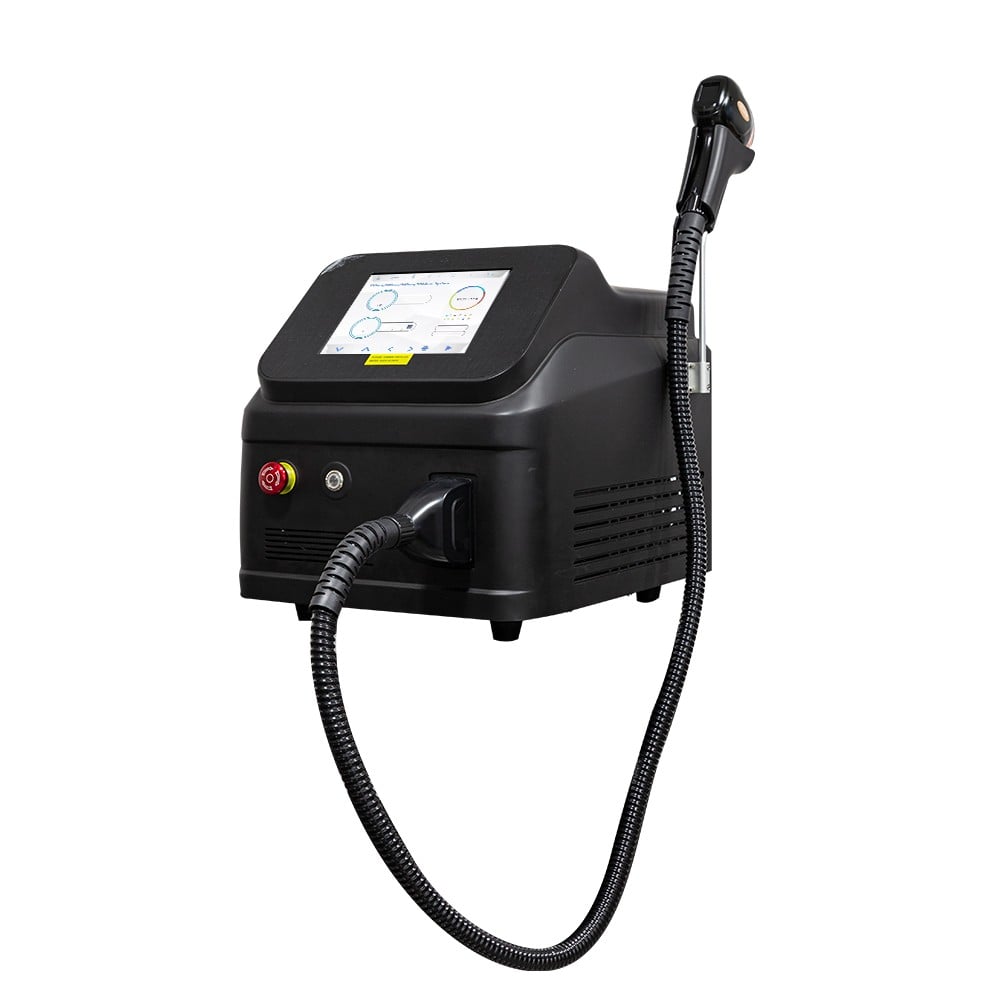
There is no universally better hair removal laser for every clinic. The practical question is which platform aligns with daily bookings, practitioner experience, client characteristics, and the treatments the business intends to offer. An 808nm diode laser and a professional hair removal device should be assessed through real workflow requirements rather than a headline specification alone.
Start with the appointment book: how many laser sessions are scheduled in a typical week, how much time is allocated per client, and how often are large areas treated? A diode laser hair removal machine can be relevant where recurring demand requires a consistent treatment routine. Match any proposed hair removal laser to realistic session lengths, room availability, and practitioner capacity.
An 808nm diode laser is often considered by clinics seeking a platform around which to standardize treatment steps, staff training, and appointment templates. That does not make every diode system faster or simpler than alexandrite; actual throughput depends on the device settings, treatment area, operator technique, and clinical protocol. Assess a professional hair removal device during representative appointments, not only demonstrations.
When several staff members share treatment rooms, repeatability matters. A diode laser hair removal machine should have controls, handpiece handling, and operating guidance that fit the team’s training level. Review how an 808nm diode laser is integrated into existing room turnover, cleaning, consultation, and documentation. Include setup and transition time when estimating practical daily capacity.
A clinic with one experienced practitioner may prioritize flexibility and detailed control, while a multi-room operation may focus on consistent workflows across trained staff. Compare alexandrite and diode options against those operating realities rather than assuming one hair removal laser will automatically increase bookings. The professional hair removal device needs to fit the team’s actual skills and scheduling model.
Workload is shaped by who the clinic treats, not just how many appointments it books. Consider the range of skin tones, hair characteristics, treatment areas, and client expectations represented in the practice. A diode laser hair removal machine may be suitable for particular service plans, but clinicians must assess client-specific suitability and follow the device instructions and established safety protocols.
An 808nm diode laser is one wavelength approach; alexandrite uses a different wavelength profile, and that difference informs treatment planning. Neither label replaces an individual assessment, appropriate settings, or qualified judgment. When evaluating a hair removal laser, ask whether the available protocols support the clinic’s actual client mix. A professional hair removal device should be selected with safe, responsible use in mind.
Alexandrite may make sense for a clinic whose treatment protocols, practitioner expertise, and client characteristics align with that platform. The decision is not simply a contest between technologies: it is whether the treatment mix and workload justify one system over another. Compare an alexandrite option with a diode laser hair removal machine using the same representative scenarios and operational assumptions.
Review the treatment areas, expected session patterns, staff familiarity, and instructions for each hair removal laser. Ask how device limitations affect appointment planning and whether the clinic can deliver its intended services within appropriate protocols. An 808nm diode laser may align with one service mix, while another clinic may prefer alexandrite. The professional hair removal device should serve the defined clinical scope.
Before acquiring equipment, map the full appointment pathway: consultation, preparation, treatment, aftercare guidance, room reset, and record keeping. A diode laser hair removal machine must fit available space, electrical and cooling requirements, and the clinic’s maintenance plan. Check the operating documentation for an 808nm diode laser and determine how staff training will be scheduled and recorded.
Ownership planning also affects workload. Account for training time, routine checks, service access, consumables where applicable, and downtime procedures. A professional hair removal device that is not ready for routine use can disrupt bookings regardless of its technical features. Compare those responsibilities for diode and alexandrite systems, and confirm that your hair removal laser plan includes clear ownership for daily operation.
Use a representative week to test the choice. Estimate appointment numbers by treatment area, likely room occupancy, staff coverage, and the proportion of clients who fit each platform’s protocols. Then compare a diode laser hair removal machine with alexandrite against the same service plan. Include time for consultations and transitions, not just the treatment portion of each booking.
The stronger fit is the system the clinic can use safely, consistently, and economically within its intended scope. Verify specifications and instructions directly, assess training needs, and ask practitioners to review the proposed workflow. An 808nm diode laser can be considered where its characteristics match the plan; alexandrite can be considered on the same basis. Choose a professional hair removal device around verified needs, not assumptions.
Frequent bookings alone do not determine the answer. Compare the diode laser hair removal machine and alexandrite options using actual session plans, room turnover, staff coverage, and client suitability. A hair removal laser should support safe, repeatable protocols at the clinic’s planned pace.
No. Treatment time depends on device specifications, settings, treatment area, operator technique, and protocol. Review the manufacturer’s operating information and assess the professional hair removal device in realistic workflow conditions before making throughput assumptions.
Common treatment areas are useful planning inputs, but they are not the only criteria. Consider the whole client mix, practitioner training, safety guidance, and service scope. A diode laser hair removal machine or alexandrite platform should be selected only when it fits those requirements.

