

 EN

diode-laser-vs-ipl-hair-removal-comparing-clinical-results, diode-laser-vs-ipl-hair-removal-comparing-clinical-results, /blog
EN
Clinical results from diode laser and IPL hair removal can differ in consistency, treatment response, and suitability for a given client. Neither technology guarantees the same outcome for every person. Comparing a diode laser hair removal machine with IPL means looking at light delivery, hair and skin characteristics, treatment protocols, and how results are measured. A hair removal laser selection should follow those clinical factors, not device labels alone.
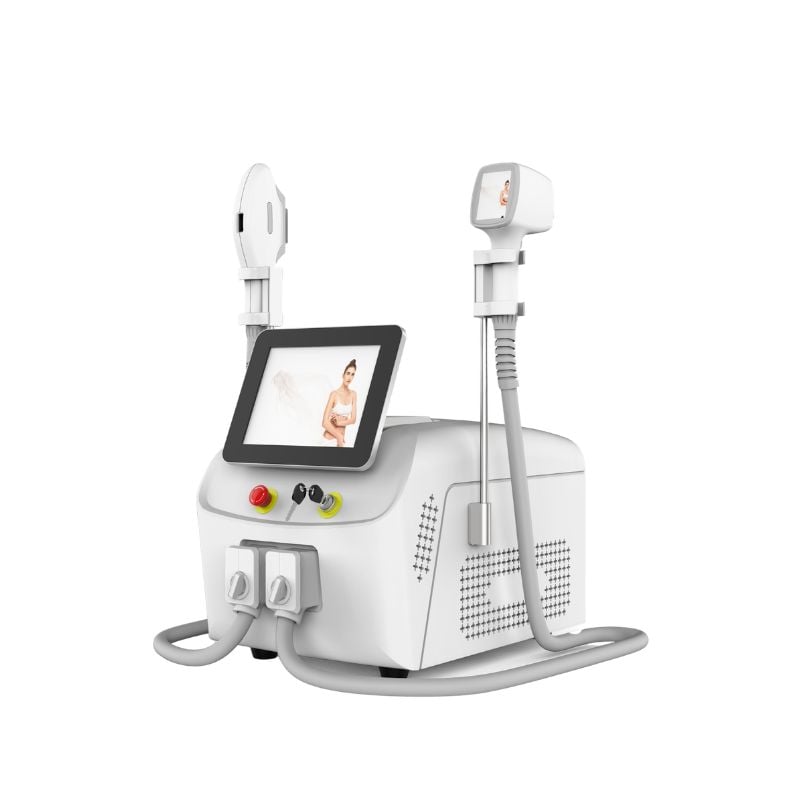
In broad terms, diode systems deliver a defined wavelength, while IPL uses filtered, broad-spectrum pulses. An 808nm diode laser is one common diode configuration used for hair reduction, but wavelength alone does not predict a result. A professional hair removal device must also support appropriate settings, consistent operation, and careful client assessment. The comparison below explains what clinical results can reasonably tell a clinic.
A diode laser hair removal machine emits laser energy within a narrower wavelength band than IPL. That focused delivery can make energy targeting more consistent between pulses when the system is properly operated. A hair removal laser treatment still depends on melanin in the hair absorbing enough energy to affect the follicle, so the intended mechanism does not remove the need for assessment or careful parameter selection.
IPL produces a range of wavelengths, with filters used to limit which light reaches the skin. This broader output can serve different treatment purposes, but it also means the delivered spectrum and pulse settings matter to the result. When clinics compare an 808nm diode laser with IPL, they should assess the actual treatment protocol, not assume that one label establishes superior efficacy. A professional hair removal device needs controls that support suitable use.
Published comparisons may report hair-count reduction, regrowth at follow-up, patient comfort, or adverse reactions. These endpoints are not interchangeable. A diode laser hair removal machine may be evaluated in a study with different body sites, schedules, or client characteristics from an IPL study, making direct comparisons uncertain. Clinics should review study design, follow-up length, and treatment settings before applying findings to their own patient population.
Likewise, evidence about a hair removal laser should distinguish temporary shedding from longer-term reduction. Hair grows in cycles, so a single session cannot treat every follicle during its responsive phase. An 808nm diode laser protocol and an IPL protocol may therefore require a course of treatments and follow-up. A professional hair removal device should be judged in the context of a complete, consistently delivered protocol rather than one session or a headline outcome.
Hair pigment, thickness, body area, and growth cycle all affect response. Skin tone and recent tanning also influence how clinicians assess risk and choose settings. With a diode laser hair removal machine, the operator should match energy and pulse characteristics to the individual rather than apply a fixed recipe. A hair removal laser can be less effective when hair has little pigment, because there may be less melanin available to absorb the light.
The same assessment matters for IPL, where filters and pulse settings influence the light reaching the treatment area. Comparing an 808nm diode laser and IPL fairly means considering whether each was used on comparable clients and sites. A professional hair removal device does not replace screening for contraindications, explaining expected changes, or recording settings. Those steps help interpret outcomes and distinguish a technology effect from differences in client selection or practice.
Clinical results also reflect treatment intervals, coverage, contact or cooling methods, and operator technique. If areas are missed or appointments are poorly timed, reduction may appear inconsistent even when the equipment is functioning as intended. A diode laser hair removal machine should be used according to its operating instructions, with settings and session details documented. The same discipline makes results from a hair removal laser easier to assess over time.
Comfort and temporary skin reactions matter alongside hair reduction because they affect whether a client can complete the planned course. IPL and diode treatments can both cause discomfort or transient reactions, and individual experience varies. When an 808nm diode laser is considered, explain the expected process and aftercare without promising a fixed result. A professional hair removal device should be part of a clinical workflow that includes consent, patch testing where appropriate, and follow-up review.
For an equipment decision, first define the clients and treatment areas the clinic commonly serves. Then compare available evidence for similar skin tones, hair characteristics, and treatment schedules. A diode laser hair removal machine may fit a clinic seeking a defined wavelength approach, while IPL may fit a workflow that uses filtered light for several indications. Neither conclusion should be made without reviewing the intended use and training requirements.
Review reported endpoints, follow-up periods, study limitations, and adverse-event reporting. A hair removal laser assessment should include realistic expectations for maintenance and variation between clients. An 808nm diode laser is a specific technical configuration, not proof of a particular clinical result. Check whether the professional hair removal device provides clear operating guidance, suitable controls, and service documentation relevant to safe, repeatable use.
During consultation, describe hair reduction as a process that commonly takes multiple sessions, with response influenced by individual biology and treatment consistency. Avoid presenting clinical findings as a guarantee. If a diode laser hair removal machine is selected, explain why the approach may suit that client and what uncertainty remains. Discussing a hair removal laser in plain language helps clients understand both likely benefits and practical limitations.
For a fair IPL comparison, use consistent photography, treatment records, and follow-up timing wherever practical. Explain that an 808nm diode laser and IPL differ in light delivery, but outcomes still depend on the complete treatment plan. A professional hair removal device can support a structured service, yet clinical judgment remains central. Review progress at appropriate intervals and adjust decisions to observed response, tolerance, and safety considerations.
No. Results depend on client characteristics, settings, treatment schedule, and study conditions. A diode laser hair removal machine may be suitable in particular circumstances, but comparisons should use relevant evidence rather than assume one technology is universally better.
No single wavelength or system suits everyone. Assess skin and hair characteristics, treatment history, and safety factors before choosing an approach. The professional hair removal device should be operated within its instructions and the practitioner’s training.
Compare similar populations, treatment areas, schedules, follow-up periods, and outcome measures. A hair removal laser study may measure reduction differently from another study, so check methods and limitations before using its findings to guide client expectations or equipment decisions.

