

 EN

endolaser-vs-external-laser-lipolysis-depth-of-action-compared, endolaser-vs-external-laser-lipolysis-depth-of-action-compared, /blog
EN
Depth of action is one of the clearest differences between endolaser and external laser lipolysis. Endolaser delivers energy beneath the skin through a laser lipolysis fiber, while external systems apply energy from the surface. That distinction changes how energy reaches tissue, what a clinician can target, and which planning questions matter before treatment.
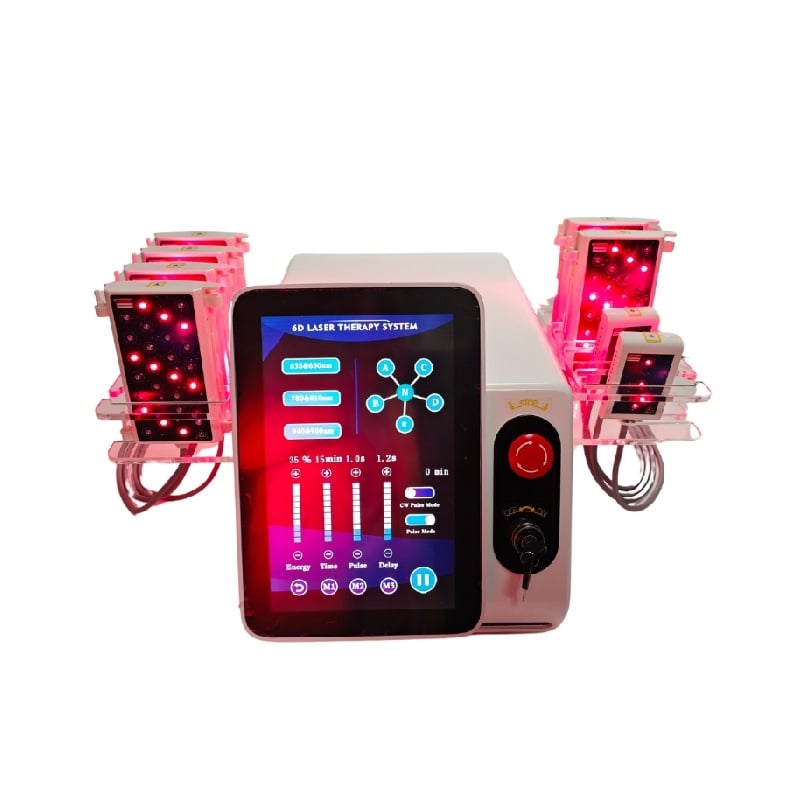
Neither approach should be judged by depth alone. A minimally invasive laser device can provide direct access to a selected tissue plane, whereas external laser lipolysis depends on energy passing through the skin and intervening tissues. Understanding the delivery path helps clinics assess the intended area, treatment goals, patient suitability, and operating protocols for each endolaser treatment.
With endolaser, a clinician introduces a thin laser lipolysis fiber through a small access point and guides it within the planned tissue plane. The fiber places the energy source close to the intended target instead of relying on surface transmission. This explains the central depth difference: endolaser action takes place internally, at a location selected by the practitioner according to anatomy and the treatment plan.
A minimally invasive laser device therefore involves more than the laser source itself. Access technique, fiber movement, selected settings, and awareness of tissue boundaries all influence how energy is delivered. The endolaser treatment plan should specify the target region and the clinician’s method for maintaining controlled movement. Direct placement offers access to deeper tissue, but it also makes training, sterile technique, and careful patient selection essential.
External laser lipolysis applies energy through an applicator positioned against the skin, with no fiber placed in the treatment plane. Energy must pass through the skin and other tissues before reaching deeper structures, so the depth and distribution of its effect depend on the system, settings, anatomy, and application method. It is not equivalent to placing a laser lipolysis fiber directly beside a target.
This surface-based route may suit protocols designed around external application, but it does not provide the same direct internal access as endolaser. A minimally invasive laser device reaches a chosen plane through a fiber; an external system works from outside the body. Comparing them means considering delivery pathway and intended use, not assuming that a surface device can reproduce the same depth simply by changing exposure time.
The practical question is not merely how far energy can travel, but which tissue the clinician intends to address and how precisely the procedure can be planned around it. Endolaser allows the practitioner to position a laser lipolysis fiber within a selected plane, subject to technique and anatomy. That direct route can make the procedure relevant when the clinical plan calls for internal energy delivery rather than surface application.
External laser lipolysis has a different planning logic because energy begins at the skin. Clinicians must account for the path through intervening tissue and follow the instructions and evidence for the specific system. A minimally invasive laser device also requires explicit planning for access, fiber direction, and treatment boundaries. In either case, the endolaser treatment decision should follow a qualified assessment rather than a general assumption that deeper action is always preferable.
Internal placement can make endolaser more procedurally involved than a noninvasive surface application. A clinic needs appropriate practitioner training, patient screening, preparation, infection-control measures, and aftercare protocols. The laser lipolysis fiber must be handled according to device instructions, and the operator should understand relevant anatomy and potential risks. These responsibilities are part of the depth comparison, not separate administrative details.
External application avoids inserting a fiber, yet it still requires trained operation, suitable patient selection, and attention to skin response and device parameters. Neither route guarantees a particular contour or outcome. For a minimally invasive laser device, explain the procedure, uncertainties, possible adverse effects, and recovery considerations clearly. A sound endolaser treatment conversation also distinguishes the intended tissue effect from promises that cannot be supported for an individual patient.
Start by defining the target and the type of access the clinical plan requires. If the plan calls for energy delivery inside a selected tissue plane, endolaser is the relevant category to evaluate. Review the system’s intended use, available fiber specifications, operating parameters, and practitioner requirements. A laser lipolysis fiber should be compatible with the equipment and appropriate to the planned procedure, rather than chosen solely because it permits internal access.
If the intended workflow is external application, assess the surface system according to its documented indications and operating guidance. Do not infer equivalent depth from a shared laser label: energy route, tissue interaction, and protocol differ. A minimally invasive laser device may fit a clinic equipped for an internal procedure, while an external approach may align with a service designed around surface delivery. Suitability depends on clinical goals and operational readiness.
Before adopting endolaser, confirm that clinicians can perform the technique within their scope and have access to training, appropriate consumables, maintenance support, and a written safety workflow. Review the laser lipolysis fiber’s handling requirements alongside the main unit’s specifications. Device selection should include a practical check of treatment-room setup, patient communication, documentation, and follow-up, not just a comparison of energy output or advertised treatment areas.
Clinics considering an external platform should likewise verify its intended use, application method, contraindications, and operator training requirements. For either category, compare documented capabilities with the procedures the practice actually plans to offer. An endolaser treatment pathway requires readiness for internal access; an external pathway requires a protocol suited to surface delivery. The best decision is the one supported by clinical assessment, training, and realistic expectations rather than a depth claim alone.
Endolaser places the energy source inside the body through a fiber, so it can deliver energy directly to a selected tissue plane. Actual placement and effect depend on anatomy, technique, settings, and the device protocol. External laser lipolysis begins at the skin and follows a different energy path.
An external system applies energy from an applicator on the skin and does not require a fiber inserted into tissue. A laser lipolysis fiber is used in internal delivery approaches, where the practitioner places it in the planned treatment plane according to training and device instructions.
Assess intended use, practitioner competence, patient selection, equipment and fiber compatibility, safety procedures, and aftercare capacity. A minimally invasive laser device requires readiness for its particular workflow. Compare its documented capabilities with the clinic’s goals, and discuss realistic outcomes and risks with each patient.

