

 EN

essential-physiotherapy-equipment-categories-for-clinic-procurement-planning, essential-physiotherapy-equipment-categories-for-clinic-procurement-planning, /blog
EN
Clinic procurement works best when physiotherapy equipment is planned by treatment function, patient volume, and workflow rather than purchased as a collection of appealing features. A category-based plan helps a team identify what it needs now, what can wait, and how each purchase will support care. It also makes physical therapy equipment decisions easier to explain to clinical and finance stakeholders.
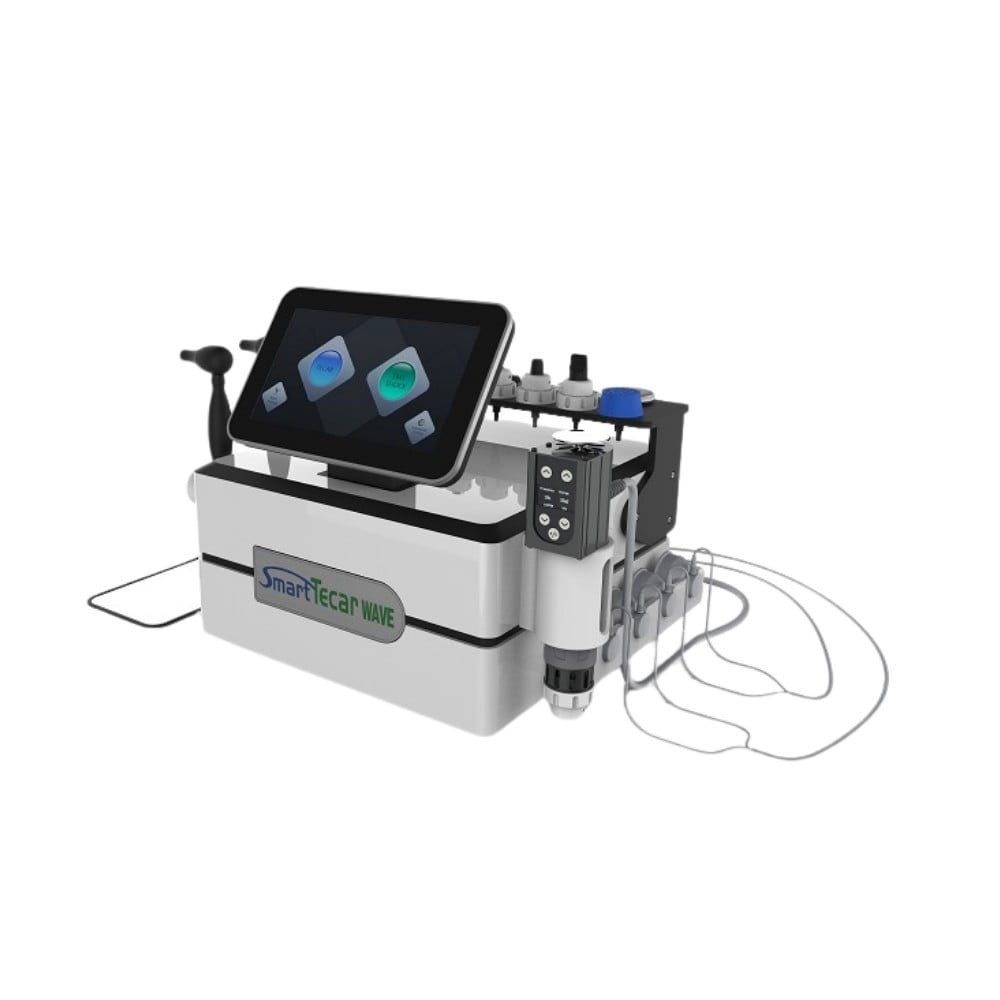
The essential categories typically cover assessment and rehabilitation basics, modality-based treatment, and the infrastructure required for safe daily use. Within that scope, a tecar system, a pemf therapy device, and a shockwave machine have different clinical roles and operating demands. Procurement planning should compare those needs with the clinic’s services, staff skills, room capacity, and intended patient pathway.
Begin with the treatments the clinic intends to provide consistently. Core rehabilitation may call for treatment couches, resistance tools, balance equipment, and accessible storage, while a shockwave machine or tecar unit supports a narrower modality workflow. A pemf therapy device also belongs in a defined treatment plan, not simply in a room because it is available. Categorizing purchases this way clarifies purpose before specifications are reviewed.
Map each category to patient needs and staff use. For example, a clinic focused on progressive exercise may prioritize durable, adjustable physical therapy equipment before adding specialized devices. A shockwave machine makes more sense where clinicians expect to use that modality for appropriate cases and have time for patient screening. A tecar system likewise needs a place in a coherent service pathway, with its intended use understood by the treating team.
Compare modalities by the clinical task they are intended to support, rather than assuming they are interchangeable. A shockwave machine has distinct application protocols and requires clinicians to understand indications, precautions, and patient communication. A tecar approach requires familiarity with the device’s controls and treatment setup. A pemf therapy device should also be considered in relation to the clinic’s protocols and patient selection, not as a replacement for assessment or exercise-based care.
For every proposed device, document the target service, expected frequency of use, operator training, and the space needed around the treatment area. This basic brief keeps physical therapy equipment purchases grounded in operational reality. It can also reveal overlap: if two devices are proposed for similar patients, the team should explain the difference in their intended roles. Include accessories and consumables in the category scope so their ongoing requirements are visible.
Walk through a typical visit from assessment to treatment and follow-up before selecting equipment. A tecar workflow may require suitable access to the patient, organized accessories, and a clear handoff between setup and treatment. A shockwave machine may need a practical position near the treatment couch, while keeping circulation routes unobstructed. Physical therapy equipment should fit the room plan without compromising privacy, cleaning, or safe movement.
Estimate how often each category will be used and whether bookings can accommodate setup and cleaning. A device that appears suitable on paper may create delays if several staff members share limited space. Consider whether the pemf therapy device can be stored and prepared without disrupting other appointments. These workflow checks help procurement teams distinguish a useful addition from an item that could become difficult to schedule or maintain.
Staff readiness is part of the workflow, not a later administrative detail. Confirm who will operate each unit, what instruction is required, and how new team members will learn local protocols. A tecar system and a shockwave machine may call for different training and documentation. Physical therapy equipment with straightforward use still needs clear inspection and cleaning practices, so responsibility remains consistent across shifts.
Room and building constraints can also shape the shortlist. Check device dimensions, electrical needs, mobility, storage, and the manufacturer’s stated operating conditions before approving a purchase. A pemf therapy device must fit both its treatment role and practical setup requirements. Likewise, assess whether a shockwave machine can be moved or positioned as planned. Confirming these details early reduces the chance of costly layout changes after delivery.
Procurement comparisons should include the full ownership picture, not just the initial quotation. Review warranty terms, service access, parts availability, expected maintenance, and the process for reporting faults. For a shockwave machine, ask how routine checks are documented and who is responsible for them. Apply the same discipline to a pemf therapy device and other physical therapy equipment, using written requirements that can be checked consistently.
Training arrangements should be explicit before a device enters clinical use. Record which staff need instruction, how competence will be confirmed, and where protocols and safety information will be kept. A tecar unit should not be treated as ready for routine use merely because it has arrived. Plan time for setup, familiarization, and workflow testing, then review whether the device fits the service model as intended.
Prioritize requests by clinical relevance, utilization, readiness, and budget impact. A clinic with established protocols and trained staff may be ready to evaluate a shockwave machine, while another may first need to strengthen foundational physical therapy equipment. A pemf therapy device should be considered when the team can define its place in care and evaluate its use. Staging investment helps avoid buying specialized equipment before the supporting service is ready.
Create a written specification for each category before inviting quotations or reviewing available models. State the intended clinical function, essential controls, required accessories, room constraints, training expectations, and service conditions. For tecar equipment, make clear how the planned setup must support the clinic’s workflow. A consistent specification allows decision-makers to compare proposals against operational needs rather than being distracted by features that do not influence the intended service.
Set approval criteria that the clinic can monitor after installation. Useful measures include whether trained staff can use the equipment, whether sessions fit appointment times, whether maintenance is completed, and whether the intended patient pathway is being followed. Track these factors for a shockwave machine or pemf therapy device just as carefully as for core equipment. Review actual use after a defined period before expanding the same category.
Keep the procurement record connected to clinical governance. Document the reason for purchase, the approving roles, the training plan, and the review date, then update the record if protocols change. This approach supports responsible use of physiotherapy equipment across the clinic and makes future replacement decisions more transparent. It also helps managers distinguish a genuine service need from a request based mainly on habit or short-term interest.
Start with equipment that supports the clinic’s defined services, safe assessment, and routine rehabilitation workflow. Add a shockwave machine only when the team can identify its intended role, patient selection process, training needs, and room setup. The right priority depends on the service plan and staff readiness rather than on a universal purchase sequence.
Define the treatment role, patient selection criteria, operating protocol, training requirements, and practical setup before comparing options. Include service and maintenance needs in the review. The device should fit a documented care pathway and complement the clinic’s physical therapy equipment, not be approved solely because the technology is available.
Confirm intended use, staff competence, treatment-room fit, accessories, electrical requirements, cleaning practices, and service arrangements. Check how the tecar workflow will fit appointments and patient movement. These details help teams decide whether a shockwave machine or other modality belongs in the same purchasing phase, or whether it should be evaluated separately.

