

 EN

exploring-epidermal-repair-after-fractional-co2-laser-sessions, exploring-epidermal-repair-after-fractional-co2-laser-sessions, /blog
EN
The skin undergoes a remarkable biological transformation following fractional CO2 laser sessions. Understanding this epidermal repair process is essential for practitioners and clinic managers who want to deliver superior patient outcomes and manage expectations effectively. When a fractional co2 laser creates controlled micro-injuries across the treatment zone, the body initiates a cascade of healing responses that continue for weeks and months beyond the initial session.
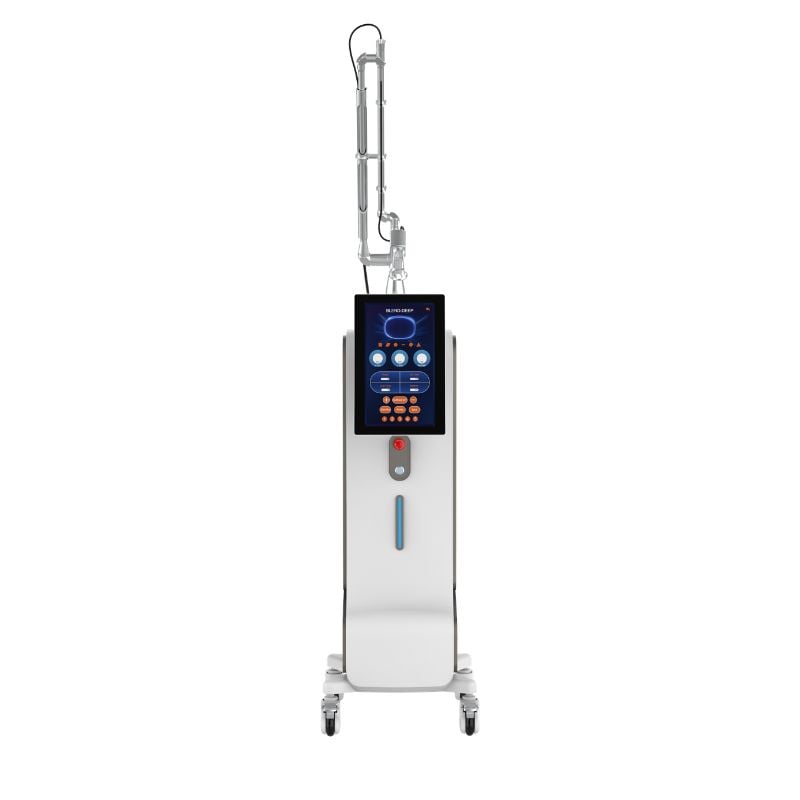
The repair timeline after co2 fractional resurfacing involves distinct phases, each characterized by specific cellular activity and visible skin changes. Proper aftercare during these phases maximizes collagen remodeling, minimizes complications, and accelerates the visible benefits patients seek. This article explores the complete epidermal recovery journey and provides actionable guidance for optimizing fractional laser treatment outcomes in your clinic.
During the first three days following fractional laser treatment, the skin enters an acute inflammatory response. Treated areas appear red, swollen, and may feel warm to the touch. This inflammation is not a complication but rather a necessary and beneficial part of the skin remodeling laser process. The body initiates wound-healing cascades that activate immune cells, increase blood flow, and trigger the release of growth factors essential for collagen synthesis.
Patient comfort and infection prevention are critical priorities during this window. The skin barrier is compromised, making it vulnerable to bacterial contamination. Clients should avoid touching the treatment zone, exposure to direct sunlight, and strenuous exercise that increases perspiration. Gentle cleansing with lukewarm water and application of prescribed healing serums support the skin remodeling laser outcomes while minimizing discomfort and infection risk. Edema typically peaks around 24 to 48 hours before gradually subsiding.
The fractional CO2 laser creates thousands of microscopic ablative channels separated by untreated skin bridges. This fractional approach accelerates epidermal repair because intact tissue surrounding each micro-column produces growth factors and facilitates rapid re-epithelialization. Platelet-derived growth factor, fibroblast growth factor, and vascular endothelial growth factor flood the wound sites, signaling fibroblasts to increase collagen and elastin production. This accelerated biological response distinguishes fractional treatments from traditional full-field ablative procedures.
During the immediate post-treatment period, the outer epidermis begins shedding damaged cells and debris. Patients often notice a waxy or bronze appearance overlaying treated areas as necrotic tissue separates. This sloughing is natural and necessary; patients should avoid picking or aggressively exfoliating the area. Gentle hydration, anti-inflammatory support, and sun protection help guide this process smoothly and prepare the skin for deeper remodeling phases that follow.
After the initial inflammation subsides, deeper remodeling becomes more active. Dermal fibroblasts produce new collagen and elastin, with remodeling continuing through weeks two to eight. Skin gradually tightens, texture improves, and the extracellular matrix strengthens. Mild redness, dryness, or peeling may persist during this phase. Regular moisturization, antioxidant care, and broad-spectrum SPF 30+ protection are essential, while excessive heat, hot showers, and harsh skincare should be avoided to support stable healing and reduce pigmentation risks.
Strategic supplementation of co2 fractional resurfacing recovery involves supporting the fibroblast activity that drives collagen production. Patients benefit from products containing vitamin C, which stabilizes collagen and enhances fibroblast function; niacinamide, which strengthens the skin barrier and reduces inflammation; and hyaluronic acid, which maintains optimal hydration for cellular processes. Retinoids should be introduced gradually and only after the acute phase resolves, as they accelerate cell turnover and further stimulate collagen remodeling when the skin is ready. Nutritional support including adequate protein, vitamin A, and zinc also influences healing speed and collagen quality from within.
Professional support during this phase may include gentle hydrating facials after week two, light LED therapy to reduce residual redness, or specialized serums designed for post-laser recovery. Many clinics find that structured follow-up appointments during weeks three, five, and eight reinforce compliance and allow practitioners to address emerging concerns before they become problematic. This engagement also reinforces patient satisfaction and demonstrates the clinic's commitment to optimizing fractional laser treatment results beyond the initial procedure date.
The remodeling process extends well beyond the initial two-month window. Between months two and six, newly synthesized collagen continues to cross-link and mature, progressively improving skin firmness, elasticity, and contour definition. This extended timeline reflects the biology of collagen remodeling, which unfolds gradually as the skin adapts to the structural changes initiated by the fractional laser treatment. Patients who maintain disciplined aftercare throughout this period typically achieve superior results compared to those who relax protective measures after visible redness fades. The fractional CO2 laser stimulates a biological cascade that peaks at different time points, with some benefits appearing immediately and others developing over half a year or more.
During the long-term phase, residual erythema typically resolves to nearly imperceptible levels in most patients, though individual skin types and treatment intensity influence this timeline. Skin tone evens, fine lines soften, and textural irregularities continue to improve. Patients often report that skin quality, luminosity, and firmness feel optimal between three and six months post-treatment. This extended maturation emphasizes why practitioners should counsel patients on realistic timelines and encourage continued sun protection and supportive skincare even after visible recovery appears complete.
Many clinics recommend series treatments separated by six to eight weeks to achieve maximal improvement in severe conditions. Each co2 fractional resurfacing session restarts the remodeling cascade, with subsequent treatments building upon gains from prior sessions. The fractional laser treatment approach allows adequate healing time between sessions while progressively strengthening collagen architecture and addressing deeper structural concerns. Some practitioners space sessions further apart for patients seeking gentler, more gradual improvement or target specific zones alternately to maintain active healing while allowing focal areas to fully mature. Understanding individual patient goals and healing capacity helps clinics design customized treatment protocols that balance efficacy with comfort and safety.
Long-term results depend heavily on sustained aftercare compliance and lifestyle factors. Sun exposure remains the primary threat to collagen longevity, as ultraviolet radiation accelerates collagen breakdown through matrix metalloproteinase upregulation. Patients who maintain diligent sun protection, avoid smoking, stay hydrated, and support collagen health through diet and supplementation preserve their skin remodeling laser outcomes far longer than those who neglect preventive measures. Education on these factors distinguishes clinics that achieve lasting patient satisfaction from those where results plateau or regress more quickly than expected.
Full recovery from fractional CO2 laser treatment spans several phases. Acute inflammation subsides within three to seven days, visible redness fades substantially by week three to four, and collagen remodeling continues actively through week eight. However, deeper maturation extends to six months, meaning true completion of the biological remodeling process takes significantly longer than when surface healing appears complete. Individual variation is substantial; darker skin types may experience prolonged erythema, while lighter skin may show rapid fading. Most patients can return to normal activities by week two, though sun protection and specific skincare protocols remain essential throughout the entire timeline.
The first week demands rigorous attention to infection prevention, hydration, and sun protection. Keep the treatment zone clean and dry, avoid touching or picking at peeling skin, and apply prescribed healing serums consistently. Avoid direct sunlight, chlorinated pools, saunas, and strenuous exercise that triggers perspiration. Use only gentle, fragrance-free cleansers and lukewarm water. Broad-spectrum SPF 30 or higher should be applied immediately and reapplied frequently, even indoors. Anti-inflammatory support through prescribed topicals and avoiding heat sources minimizes discomfort and edema. These foundational steps prevent complications and optimize the skin remodeling laser cascade, setting the stage for superior outcomes in subsequent weeks.
Yes, multiple co2 fractional resurfacing sessions delivered six to eight weeks apart produce cumulative improvements that often exceed results from a single treatment. Each session restarts the collagen remodeling cascade while building upon structural gains from previous treatments. Series protocols are particularly effective for severe photodamage, acne scarring, and advanced skin laxity. The fractional laser treatment approach's fractional nature allows adequate healing between sessions while progressively strengthening dermal architecture. However, individual skin conditions, tone, and healing capacity influence optimal session frequency and total number needed. Practitioners should tailor protocols to specific patient goals rather than applying a one-size-fits-all approach.

