

 EN

exploring-handpiece-mechanics-inside-modern-shockwave-machines, exploring-handpiece-mechanics-inside-modern-shockwave-machines, /blog
EN
Inside a modern shockwave machine, the handpiece is the working interface between an energy source and the treatment area. Understanding its mechanics helps clinicians and service teams interpret how energy is generated, transmitted, and applied. A shockwave device is not simply a console with an applicator attached; its output depends on coordinated components, settings, contact, and upkeep.
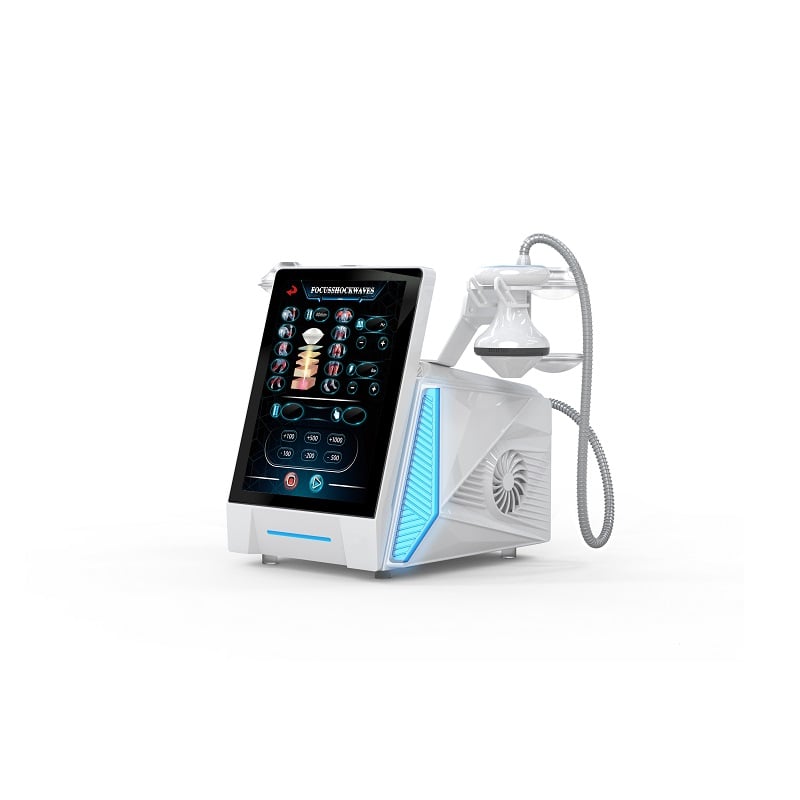
This article follows that mechanical pathway, from pulse generation to contact with tissue, and explains why each stage matters in clinical use. In a shockwave unit, the handpiece must deliver repeatable pulses while remaining manageable for the operator. For physiotherapy shockwave practice, knowing the mechanism clarifies what settings can influence, what technique controls, and when inspection or maintenance is appropriate.
A handpiece receives energy from the system and converts it into a mechanical pressure pulse. The design varies by technology, but the operating principle is a controlled release of energy followed by transmission through an applicator. In a shockwave machine, the control console sets parameters while the handpiece performs the physical work. A shockwave device therefore relies on a chain of electrical, mechanical, and acoustic functions rather than one isolated part.
In a focused system, an energy source and an acoustic arrangement work together to concentrate energy at a selected depth. Other configurations create a more dispersed pressure field near the applicator. The shockwave unit must coordinate pulse timing and intensity with its handpiece design. For physiotherapy shockwave, these distinctions affect how a clinician positions the applicator and interprets the intended treatment zone, not a promise of a particular result.
The pulse rate and energy setting are related but distinct controls. Rate determines how frequently pulses are delivered, while energy level influences the pulse’s intensity within the device’s operating range. A shockwave machine translates the selected values into repeatable activation signals. The shockwave device still depends on the handpiece’s condition, since wear or incorrect assembly may affect consistency. Operators should use the instructions for their specific configuration rather than assume all systems respond identically.
Once formed, a pulse travels through internal handpiece components and the contact interface before reaching the body. The applicator head, coupling medium, and applied angle can all influence transfer. A shockwave unit may display its selected settings, but those values cannot compensate for poor contact. In physiotherapy shockwave sessions, a stable hand position and suitable coupling help reduce air gaps and support consistent energy transmission across the intended area.
The operator’s grip also matters mechanically. Excessive pressure can make positioning tiring and may alter how the head sits against the skin, while insufficient pressure can compromise contact. With a shockwave machine, a comfortable working posture helps the clinician maintain a controlled angle and pace. The shockwave device should be handled according to its guidance, with attention to cable routing and head alignment, so movement does not introduce avoidable strain or interruption.
Handpiece geometry determines how the applicator meets the treatment area and, together with the system architecture, influences the pressure field. A focused configuration is designed to direct energy toward a defined region; a radial configuration distributes energy from the applicator outward. The shockwave machine’s intended design should guide selection and placement. A shockwave device with a specific head or focusing arrangement should not be treated as interchangeable with a different configuration.
Treatment planning connects that design to the clinical target. The clinician identifies the area, chooses an appropriate applicator and setting within the device guidance, then monitors patient response. A shockwave unit is a delivery tool, not a substitute for assessment or clinical judgment. In physiotherapy shockwave care, the selected approach should reflect the indication, treatment plan, patient tolerance, and the system’s instructions. These considerations help keep mechanical capability aligned with an appropriate session.
Repeatable delivery depends on more than selecting the same number on the screen. Consistent placement, contact, movement speed, and session documentation help make treatments more comparable. The shockwave machine supplies the pulses, but the operator controls the application pattern. A shockwave device may offer adjustable settings, yet a change in technique can also change the experience at the treatment site, so clinicians should record relevant settings and follow established protocols.
Patient feedback is an important part of practical adjustment. If sensation becomes uncomfortable, the clinician can pause, reassess contact and positioning, and make permitted changes in line with the treatment plan. A shockwave unit should be used within its defined operating guidance rather than adjusted by guesswork. For physiotherapy shockwave, this measured process supports safe, deliberate care while recognizing that tolerance and clinical needs vary between people and sessions.
Routine inspection focuses on the parts that influence connection, contact, and pulse delivery. Before use, check the handpiece exterior, applicator head, cable, connectors, and any specified coupling accessories for visible damage, looseness, or contamination. A shockwave machine should be operated only when its required components are correctly fitted. If a shockwave device shows an error, unusual sound, unexpected interruption, or inconsistent operation, stop and consult the applicable instructions.
Cleaning and replacement procedures are model-specific, so teams should follow the service documentation rather than improvise. The shockwave unit’s logs can help identify recurring faults, maintenance dates, and changes in performance noticed by staff. For physiotherapy shockwave services, a clear handover process ensures concerns are reported instead of being passed unnoticed to the next operator. These practices support traceability and help distinguish an application issue from a possible equipment problem.
When performance changes, a structured review is more useful than immediately changing treatment technique. Confirm the selected settings, inspect the contact surface and connections, review error messages, and check whether the device’s specified service interval has been reached. A shockwave unit may require qualified technical assessment if a fault persists. In physiotherapy shockwave practice, removing questionable equipment from use until it is checked can protect workflow and reduce uncertainty.
Understanding handpiece mechanics makes maintenance more purposeful: pulse generation, transmission, and application each suggest different checks. Keep service records, use compatible components, and train operators on correct assembly and handling. The shockwave machine’s performance is a shared result of system condition and technique. A shockwave device works most predictably when its mechanics are respected, its limits are understood, and clinical decisions remain grounded in assessment rather than assumptions.
It converts energy supplied by the system into pressure pulses and transmits them through an applicator to the contact area. Its exact mechanism depends on the equipment design.
Yes. Applicator position, contact, angle, and movement can affect how pulses are applied. Follow the device instructions and the clinical protocol for consistent use.
Inspect it as directed before use and after any unusual error, interruption, visible damage, or change in operation. Consult service guidance when a concern persists.

