

 EN

exploring-skin-cooling-methods-used-in-ipl-treatment-devices, exploring-skin-cooling-methods-used-in-ipl-treatment-devices, /blog
EN
Skin cooling is a key part of how an IPL treatment feels and how reliably a clinic can deliver a planned session. In an ipl machine, cooling helps manage heat at the skin surface while pulses target selected chromophores. Understanding the available methods helps operators assess comfort, workflow, and treatment suitability rather than focusing on light output alone.
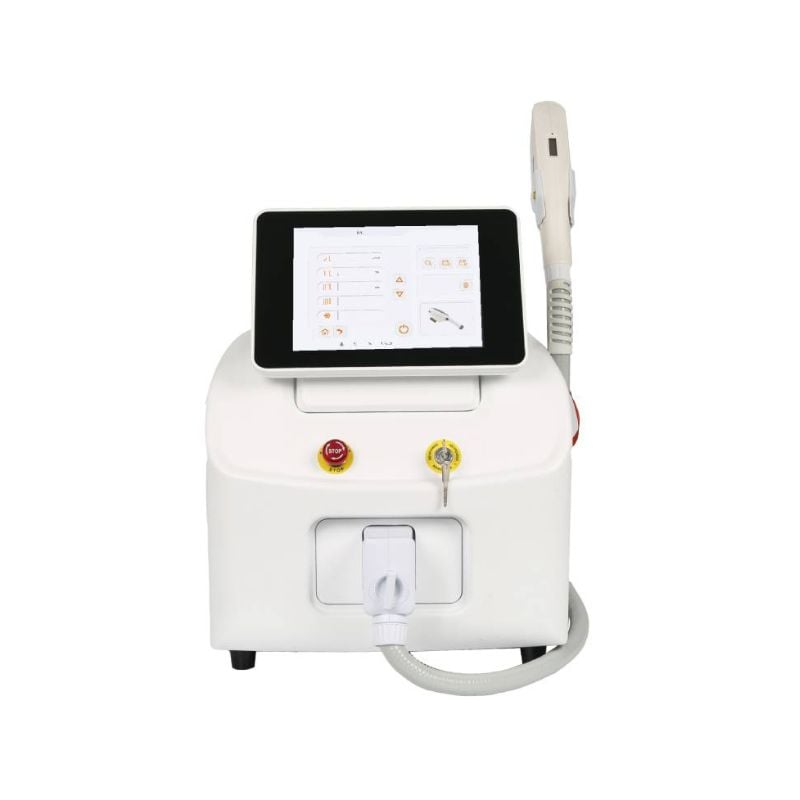
Cooling is not a substitute for sound screening, settings, or technique. It is one part of a controlled treatment process, and its role varies with the applicator, pulse sequence, treatment area, and client response. A skin rejuvenation device may use contact cooling, chilled air, or a combination, while photorejuvenation equipment should make its cooling method and operating instructions clear.
An intense pulsed light device delivers brief, broad-spectrum flashes that interact with targets in the skin. Some energy is absorbed as heat, so cooling can reduce excess warmth at the surface and improve the experience around each pulse. The ipl machine still depends on suitable parameters and contact technique; cooling does not make an unsuitable setting appropriate.
With contact cooling, a cooled treatment window or tip touches the skin before or during a flash. This can provide a consistent cooling interface, provided the operator maintains even contact and follows the device instructions. A skin rejuvenation device using this approach needs routine checks for a clean, intact window and stable cooling performance.
Some systems cool continuously, while others cool between pulses or before a pulse is delivered. The sequence affects handling and pacing, so operators should learn how the intense pulsed light device signals readiness and whether the handpiece requires a pause between placements. Photorejuvenation equipment should support a repeatable rhythm without encouraging rushed movement.
Cooling can also influence how the operator reads client feedback. A ipl machine may produce a brief sensation of warmth or a snapping feeling, but sensation alone cannot confirm safe delivery. The operator should observe the treatment area, ask about discomfort, and pause when the response differs from expectations. Cooling supports monitoring; it does not replace it.
Integrated contact cooling keeps the cooling surface close to the treatment window, which can simplify the sequence for small, controlled placements. A practical review of an ipl machine should consider how the tip sits against different contours, how easily it can be cleaned, and whether the operator can maintain full contact without excessive pressure.
For clinics, the benefit of a skin rejuvenation device with contact cooling is most useful when the handpiece is comfortable to position and its temperature is monitored according to the manufacturer’s guidance. Photorejuvenation equipment should also provide clear maintenance instructions, since residue or damage on a contact surface can interfere with consistent use.
Air cooling directs chilled airflow toward the treatment area, either from a built-in system or a separate unit. This method avoids relying solely on a cooled contact tip, but airflow direction and distance matter. An intense pulsed light device used with external cooling calls for a coordinated setup that does not obstruct visibility or interfere with handpiece placement.
External cooling may suit workflows where access around the treatment zone is important, although it adds equipment and positioning considerations. Before selecting an ipl machine, assess noise, hose routing, room layout, and the time required to prepare the station. The skin rejuvenation device and its cooling accessories should fit the service protocol rather than create extra handling during treatment.
Cooling needs differ by treatment area, client sensitivity, and the planned use of light. A photorejuvenation equipment assessment should therefore include the range of applicator sizes, access to curved areas, and the method for checking skin response. Operators should follow screening guidance and avoid assuming that stronger cooling makes every client or area suitable.
During a session, consistent placement and appropriate overlap matter as much as cooling strength. An intense pulsed light device should be used with the specified contact, pulse, and movement technique. The operator can check comfort between placements and inspect the skin as directed, while keeping the cooling method consistent throughout the planned area.
A cooling method is only dependable when staff understand its controls and limitations. Training on an ipl machine should cover pre-use checks, temperature or status indicators, cleaning, and what to do if cooling seems weak or uneven. Photorejuvenation equipment documentation should be accessible so that staff can verify the correct setup instead of relying on memory.
Operational checks should be part of the clinic’s routine, not an afterthought. For a skin rejuvenation device, teams can establish a process for inspecting contact surfaces, airflow paths, cables, and accessories before use. Record faults and remove equipment from service when performance is uncertain; do not compensate by changing treatment settings without an approved clinical basis.
No. Cooling may reduce surface warmth or improve comfort, but sensation depends on the individual, treatment area, settings, and technique. An ipl machine must still be operated within its instructions, with client feedback and visible skin response assessed throughout the session.
There is no universal choice. A skin rejuvenation device with contact cooling may suit a compact handpiece workflow, while airflow may provide different access around the area. Compare the practical setup, maintenance, staff training, and the device’s intended protocol before deciding.
No. Photorejuvenation equipment cooling is a supporting feature, not a safety override. Operators must follow screening, parameter selection, positioning, and aftercare instructions for the intended application. If cooling is inconsistent or a client response is unexpected, pause and follow the clinic’s escalation procedure.

