

 EN

exploring-subdermal-laser-effects-on-fat-tissue-and-overlying-skin, exploring-subdermal-laser-effects-on-fat-tissue-and-overlying-skin, /blog
EN
The science of fat reduction has evolved dramatically over the past decade, with endolaser technology leading the transformation in aesthetic and body contouring procedures. Unlike traditional surgical liposuction, endolaser systems deliver precise energy directly beneath the skin's surface, targeting adipose tissue with remarkable specificity. This advancement represents a fundamental shift in how practitioners approach fat reduction, combining safety, efficacy, and patient recovery benefits that were previously unavailable in clinical settings.
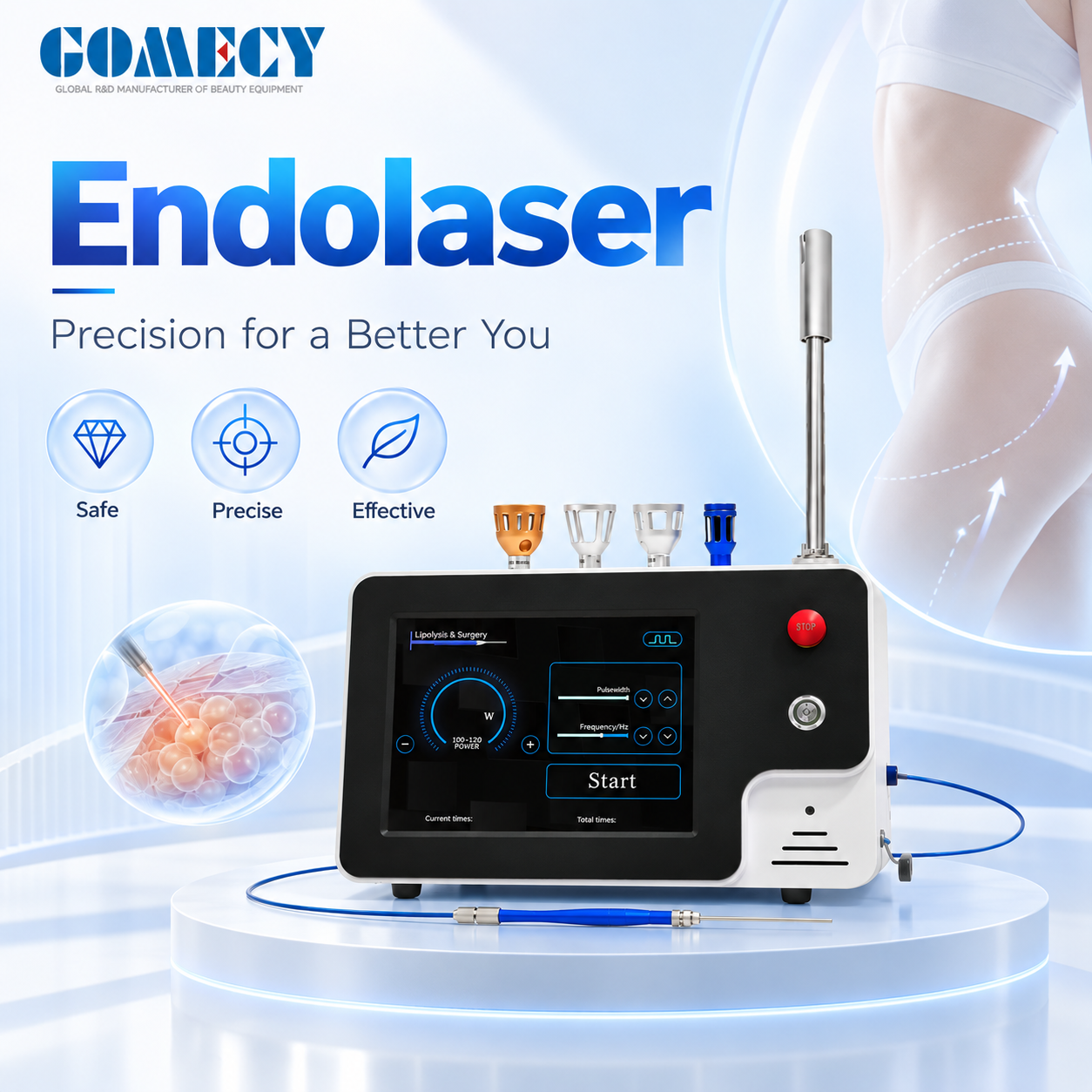
Understanding the mechanisms behind endolaser treatment requires examining both the biological response of fat cells and the protective effects on overlying skin structures. When a minimally invasive laser device operates at specific wavelengths, it creates a controlled thermal environment that disrupts fat cell membranes while simultaneously stimulating collagen remodeling in the dermis. This dual action distinguishes endolaser from conventional energy-based devices and explains why patients experience not only fat reduction but also skin tightening and improved texture in treated areas.
The endolaser treatment process begins with precise thermal energy delivery through a laser lipolysis fiber inserted beneath the skin. This minimally invasive laser device operates at wavelengths specifically chosen to maximize absorption by adipose tissue while minimizing thermal injury to surrounding structures. The laser energy heats fat cells to approximately 45 to 65 degrees Celsius, causing lipid membrane rupture and cell death without the mechanical trauma of traditional liposuction. Fat cells release their contents, which the body subsequently metabolizes and eliminates through the lymphatic system over weeks to months.
Beyond fat cell destruction, endolaser treatment triggers significant collagen response in the dermal layer. The controlled heat from the laser lipolysis fiber stimulates fibroblasts, the cells responsible for collagen synthesis, leading to improved skin firmness and elasticity. This mechanism is particularly valuable in body contouring because it addresses the common concern of skin laxity that occurs after fat removal. Patients treated with a minimally invasive laser device experience smoother contours and better skin quality compared to outcomes from mechanical fat removal alone.
One of the primary advantages of endolaser technology lies in its ability to protect superficial skin layers while treating deeper adipose tissue. The laser lipolysis fiber's wavelength characteristics allow preferential absorption by fat cells and hemoglobin while sparing the epidermis and upper dermis. Advanced endolaser treatment systems incorporate real-time temperature monitoring and adjustable power settings that maintain therapeutic heat in the target zone while keeping surface temperatures within safe limits. This selective thermal profile prevents burns, blistering, and other complications commonly associated with earlier-generation energy devices.
The precision of a minimally invasive laser device generates significantly less inflammatory response than traditional surgical approaches. Because endolaser treatment avoids the mechanical trauma, blood vessel rupture, and tissue disruption inherent in invasive liposuction, patients experience reduced bruising, swelling, and post-treatment discomfort. The controlled nature of the thermal injury actually promotes a favorable inflammatory cascade that enhances tissue repair and collagen production rather than creating excessive scar tissue. Many patients return to normal activities within days rather than weeks, demonstrating the tissue-sparing benefits of endolaser over surgical alternatives.
Endolaser treatment produces measurable fat reduction in targeted areas, with most patients observing noticeable results within two to four weeks as the body processes and eliminates disrupted adipocytes. A minimally invasive laser device can precisely sculpt specific zones like the abdomen, flanks, thighs, arms, and neck without affecting surrounding tissue. The laser lipolysis fiber's ability to target small, concentrated areas makes it ideal for patients seeking subtle refinement or significant body transformation depending on treatment extent. Results continue to improve over three to six months as collagen remodeling progresses and skin tightening becomes increasingly apparent.
Endolaser treatment delivers benefits that extend beyond simple fat elimination. The collagen stimulation from the minimally invasive laser device improves skin texture, reduces the appearance of dimpling or irregularities, and restores a smoother, more youthful appearance to treated regions. Patients frequently report improved skin elasticity and firmness that makes them appear more toned even in areas where fat reduction alone would leave loose or sagging skin. This combination of fat reduction and skin quality improvement positions endolaser as a comprehensive body contouring solution rather than a single-purpose device.
Endolaser is a minimally invasive laser device that uses precisely calibrated laser lipolysis fiber to deliver thermal energy beneath the skin for selective fat cell destruction and collagen stimulation. Unlike ultrasound or radiofrequency alternatives, endolaser technology provides direct visualization potential through the fiber channel and offers superior selectivity for adipose tissue, resulting in more predictable fat reduction with less collateral thermal injury. The laser lipolysis fiber's wavelength characteristics enable endolaser treatment to target fat cells while preserving skin integrity, a distinction that makes it particularly effective for body contouring in delicate areas.
Endolaser treatment works effectively on most body areas where unwanted fat deposits occur, including the abdomen, flanks, thighs, upper arms, neck, and even smaller zones like the submental area. The minimally invasive laser device's precision allows practitioners to customize treatment to individual anatomy and patient goals. Ideal candidates have localized fat deposits, reasonable skin elasticity, and realistic expectations about results. A thorough consultation determines whether endolaser treatment is appropriate, considering factors like skin quality, fat thickness, and patient health status.
Recovery after endolaser treatment is significantly faster than surgical liposuction because the minimally invasive laser device avoids mechanical trauma and excessive tissue disruption. Most patients experience mild to moderate bruising and swelling that resolves within one to two weeks, allowing return to light activity almost immediately and normal exercise within two to four weeks. The laser lipolysis fiber's thermal precision minimizes post-treatment pain and discomfort compared to invasive procedures, and many patients require only over-the-counter pain management. Final results from endolaser treatment continue developing over several months as the body completes fat elimination and collagen remodeling processes.

