

 EN

exploring-the-electromagnetic-circuit-inside-modern-pemf-devices, exploring-the-electromagnetic-circuit-inside-modern-pemf-devices, /blog
EN
Exploring the electromagnetic circuit inside a modern pemf therapy device means following energy from the power input to the treatment coil. That path explains how electronic controls create timed current pulses, how the coil turns them into a magnetic field, and why component choices affect consistency. Understanding the circuit helps technical buyers assess system design without confusing a device’s specifications with clinical outcomes.
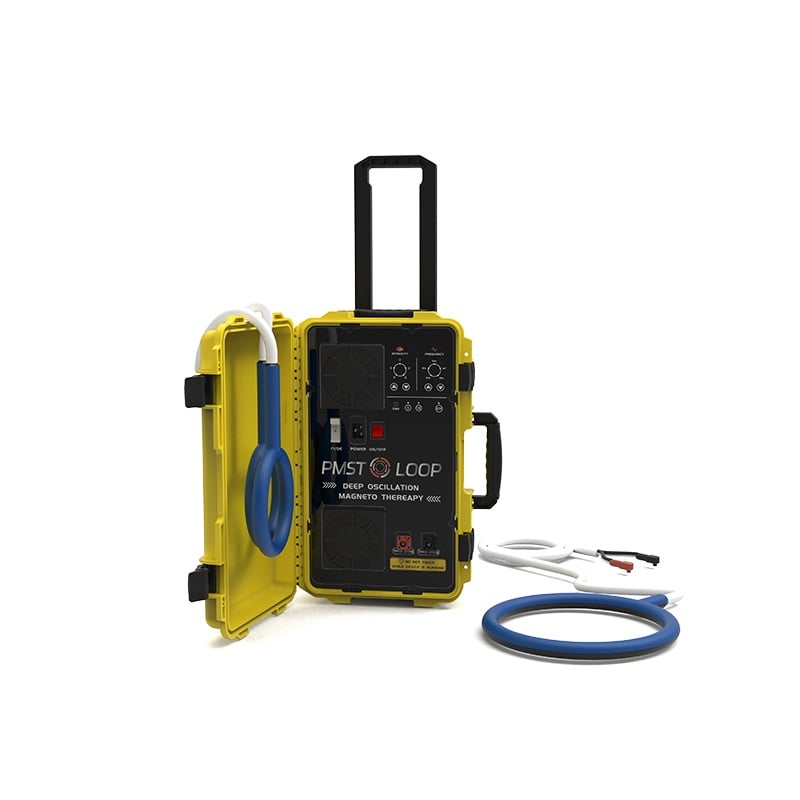
The central idea behind pulsed electromagnetic field therapy is controlled current flowing through a coil in changing pulses. A modern pemf therapy device coordinates its power stage, switching electronics, coil, sensors, and operator interface to deliver a selected program. Looking at each stage as part of one circuit makes it easier to interpret product information and ask practical questions about operation, service, and intended use.
A pemf therapy device begins with an incoming electrical supply. The power section conditions that input for the internal electronics, while control circuitry determines when energy reaches the output stage. In pulsed electromagnetic field therapy, timing matters: the controller sets pulse intervals and operating patterns, and the switching stage changes the current delivered toward the applicator. These components work together rather than acting as independent features.
The exact architecture varies, but a circuit commonly needs power conversion, switching components, control logic, and protection. A technician evaluating pemf therapy equipment can ask how the system regulates output and responds to abnormal conditions. Clear explanations of operating modes and service procedures are more useful than relying on a single headline specification. For a closer look at a system configuration, review this pemf therapy device as one example of product presentation.
At the output end, current passes through a coil or loop applicator. The changing current produces a changing magnetic field around that conductor, which is the physical mechanism used in pulsed electromagnetic field therapy. Coil geometry, winding, electrical resistance, and the current waveform all influence field distribution. A pemf therapy device therefore depends on the relationship between its electronics and its applicator, not simply on the control panel.
For a buyer, this connection makes applicator design part of the circuit assessment. Ask whether the coil is specified for the intended operating program and whether replacement or inspection instructions are available. Pemf therapy equipment should present understandable information about compatible accessories, connection points, and routine checks. This helps teams judge whether the system can fit their workflow without assuming that every coil produces the same field pattern or application experience.
The controller translates a selected program into electrical behavior: pulse duration, spacing, repetition pattern, and output level where adjustable. These parameters describe how the circuit is operated, but they do not by themselves establish a treatment result. A pemf therapy device should make program selection legible to trained users, with controls that reduce ambiguity during setup. In pulsed electromagnetic field therapy, the programmed sequence and actual coil response are connected but should not be treated as interchangeable descriptions.
When reviewing a recovery therapy device, check how settings are displayed, saved, and changed between sessions. The interface should help an operator confirm the selected program before activation. Documentation for pemf therapy equipment should explain operating limits and any user-level adjustments in plain language. These details matter in a busy practice or rehabilitation setting, where predictable setup can support consistent processes without promising a specific patient response.
Electronic protection can help manage conditions such as excessive current, overheating, or a poorly connected applicator, depending on the design. A pemf therapy device may use monitoring circuits or software checks to identify conditions that call for an alert or shutdown. Ask what the system monitors, what messages mean, and which actions require trained service. Such questions distinguish functional safeguards from vague claims about reliability.
Repeatability also depends on stable connections, proper use, and maintenance. In pulsed electromagnetic field therapy, a loose connector or damaged cable can interfere with normal operation, so routine inspection belongs in the operating procedure. A recovery therapy device should include practical guidance on cleaning, storage, and service intervals. Reviewing those instructions alongside circuit specifications gives procurement and clinical teams a more complete view of lifecycle needs.
Specifications are useful when they describe measurable features and operating conditions clearly. For a pemf therapy device, buyers may need information about output programs, applicator compatibility, electrical requirements, controls, and safety documentation. Ask how reported field values are measured and whether they refer to a particular coil or configuration. This context prevents a single number from standing in for the complete circuit behavior.
A recovery therapy device is also a workflow tool, so assess how its controls, cables, and applicator fit the room and staff routine. Consider where the unit will be placed, how users will position the loop, and whether setup instructions are accessible. Pemf therapy equipment that is clearly documented is easier for a team to evaluate, train on, and maintain. These are operational considerations, not claims of clinical superiority.
Before acquisition, connect the electromagnetic design to the intended setting. Confirm the available programs, applicable training, electrical installation needs, service pathway, and requirements for accessory replacement. A pemf therapy device should have documentation that matches the delivered configuration. If pulsed electromagnetic field therapy is part of a broader service, clarify how staff will explain the technology and follow the organization’s protocols.
Finally, define what success means for implementation: reliable setup, appropriate staff competency, documented maintenance, and a process for reviewing user feedback. A recovery therapy device cannot replace clinical judgment or local safety procedures. Teams should also check that product information, labeling, and training materials align with their jurisdiction and intended application. A structured review of pemf therapy equipment keeps circuit details connected to real responsibilities after installation.
The coil carries changing electrical current and generates a changing magnetic field around its windings. In pulsed electromagnetic field therapy, the coil and control circuit work together, so applicator construction and programmed output both matter when reviewing device documentation.
Review power requirements, available programs, output descriptions, applicator compatibility, protection features, and maintenance guidance. For pemf therapy equipment, request clear explanations of how settings are selected and what alerts require operator action or service support.
No. Circuit design explains how a recovery therapy device generates and controls its output; it does not establish an individual outcome. Application, clinical protocols, user training, and other relevant factors must be considered separately from the electronics.

