

 EN

exploring-the-optical-path-inside-a-diode-laser-hair-removal-system, exploring-the-optical-path-inside-a-diode-laser-hair-removal-system, /blog
EN
Understanding the optical path inside a diode laser hair removal machine means following energy from its electrical source to the treatment window. Each stage shapes how light is generated, combined, guided, and presented at the skin. This path is central to how a hair removal laser operates, and it helps explain why an 808nm diode laser and its supporting optics must work as an integrated system.
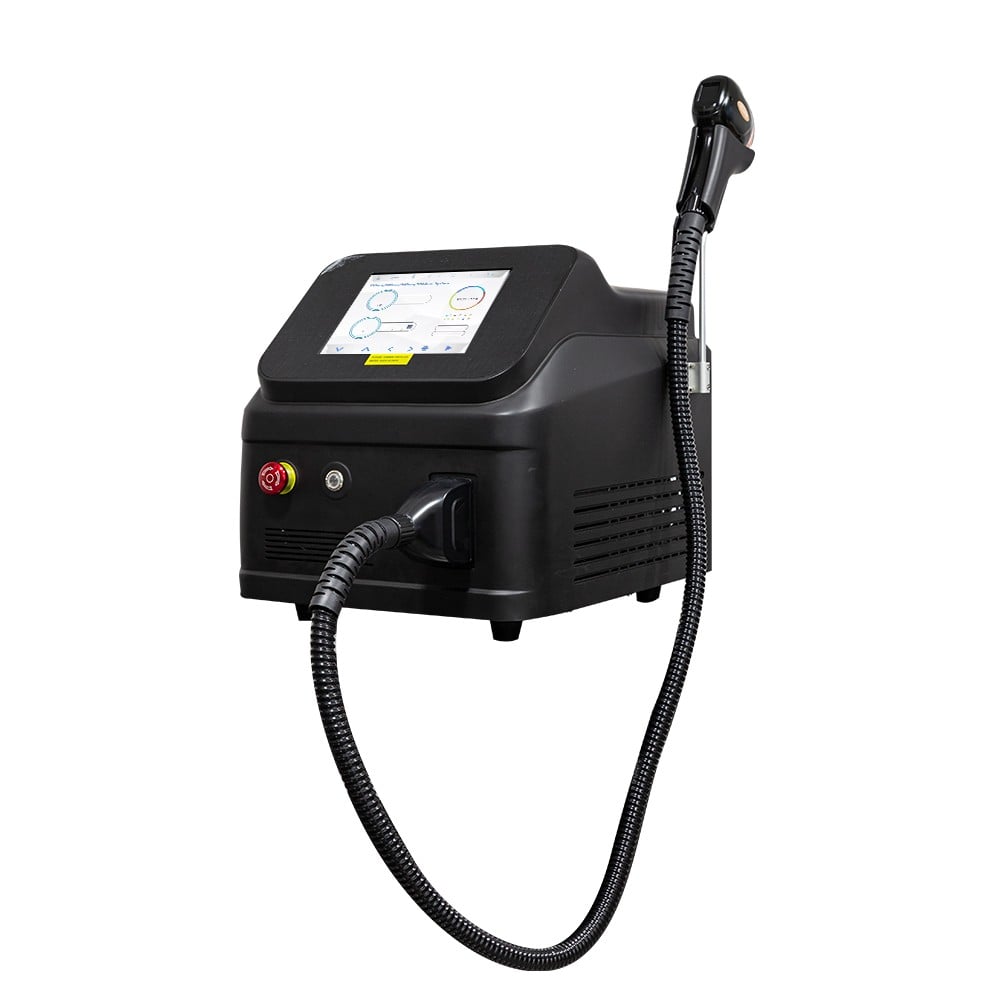
The optical path is more than a straight beam. Electrical control, diode geometry, optical coupling, handpiece design, and cooling all influence the light delivered during a session. Looking at these stages in sequence gives equipment teams and clinic operators a practical way to assess a professional hair removal device, interpret technical specifications, and understand what the 808nm diode laser contributes without confusing wavelength with the entire system.
The process begins when the power and control electronics supply a managed current to semiconductor diode bars. At the junction, electrical energy produces photons at a wavelength determined by the diode material and design. In an 808nm diode laser, that output is centered near the stated wavelength; the phrase describes the light source, not every component in the instrument. A diode laser hair removal machine therefore depends on both the emitter and the electronics that drive it.
Pulse settings govern when and for how long energy is supplied, while control circuits monitor operating conditions. For a hair removal laser, this matters because light output must follow the selected treatment parameters rather than simply remain on continuously. A professional hair removal device also needs stable interfaces between the power supply, emitter assembly, and user controls. The optical path begins electrically, even though the later stages are what visibly shape the beam.
Diode bars do not automatically produce a uniform, ready-to-use treatment spot. Their arrangement creates an initial output with a particular shape and distribution, which optical components must collect and direct. In a diode laser hair removal machine, the design of this source assembly affects how efficiently light can enter the next stage. The 808nm diode laser provides the wavelength, while emitter layout influences the beam geometry that the rest of the system must manage.
The source also generates heat as it operates, so thermal management supports consistent functioning. Cooling does not create or focus light, but it helps keep the emitter within its intended operating conditions. A hair removal laser must coordinate current delivery with heat removal, and a professional hair removal device should be assessed as an integrated electrical and thermal platform. These details help explain why emitter specifications alone cannot describe the complete optical performance.
After emission, lenses or other optical elements collect and couple light into a defined route. The aim is to transfer useful energy toward the treatment head while limiting avoidable losses and controlling the beam profile. In an 808nm diode laser system, optical materials and alignment must suit the source wavelength. The diode laser hair removal machine uses this stage to turn raw emitter output into light that can travel through its delivery assembly.
Optical coupling is sensitive to alignment, surface condition, and assembly tolerances. A small shift can change how light enters a guide or reaches a lens, so inspection and maintenance procedures matter in real operating environments. For a hair removal laser, predictable transmission supports repeatable operation, though it does not by itself establish a clinical outcome. A professional hair removal device should provide clear documentation about inspection, cleaning, and service requirements for optical components.
Depending on the architecture, light travels through a compact optical assembly, a guide, or a handpiece connection before reaching the applicator. Each interface can affect transmission and beam shape. The diode laser hair removal machine must keep these transitions aligned so energy reaches the intended treatment area. Operators can usefully distinguish the emitter specification from the performance of the complete delivery path.
The handpiece brings the optical system into contact with the working environment. Its internal optics direct the light toward the exit window, while its housing protects components and supports handling. An 808nm diode laser is only one element in this chain; connection quality and optical condition also matter. In a hair removal laser, a damaged or contaminated window can interfere with delivery, making routine visual checks part of responsible equipment use.
At the end of the optical path, a window or contact surface separates internal optics from the skin. The final beam characteristics depend on the upstream source and optics, as well as the design and condition of this interface. A diode laser hair removal machine may combine a treatment window with contact cooling, placing optical delivery and skin-contact management in one handpiece. These functions work together but remain distinct engineering tasks.
Contact cooling can support comfort and help manage heat at the skin surface, but it does not change the source wavelength. The 808nm diode laser remains defined by its emission, while the handpiece determines how that light exits and how the surface is managed. A professional hair removal device should make operating controls and handpiece condition easy to assess. The user must also follow the equipment instructions and applicable clinical protocols.
A useful review follows the full route: electrical drive, diode emission, optical collection, transmission, handpiece delivery, and exit window. This sequence helps teams locate the point where a concern may arise rather than treating the unit as a single black box. For a hair removal laser, checking connections and keeping accessible optical surfaces clean can support normal operation. Service work should be handled according to manufacturer guidance.
Specifications should be read in context. Wavelength, pulse controls, spot characteristics, cooling design, and maintenance instructions describe different parts of the system and should not be treated as interchangeable claims. A diode laser hair removal machine can be understood more clearly when the optical route is considered alongside those details. For procurement and operational planning, a professional hair removal device is best evaluated against the clinic’s intended workflow, training requirements, and service procedures.
It describes the approximate wavelength produced by the diode source. In an 808nm diode laser, that specification does not describe the handpiece, cooling method, or complete beam-delivery system. Those components shape how the source output travels to the treatment window.
Typically, the diode emitter generates the light, while the handpiece guides it toward the treatment surface. In a hair removal laser, the handpiece may also include contact cooling and controls, but these functions are separate from light generation.
The window is the final interface in the delivery route, so contamination or damage can affect normal use. Follow the cleaning and service guidance for the diode laser hair removal machine, and include window condition in routine checks of a professional hair removal device.

