

 EN

exploring-the-vascular-and-metabolic-effects-of-shockwave-therapy, exploring-the-vascular-and-metabolic-effects-of-shockwave-therapy, /blog
EN
Shockwave therapy is discussed not only as a way to address pain, but also for its possible effects on local blood flow and tissue metabolism. These responses may help explain why clinicians consider extracorporeal shockwave approaches for selected musculoskeletal conditions, while the size and relevance of any effect depend on the patient, treatment settings, and condition being managed.
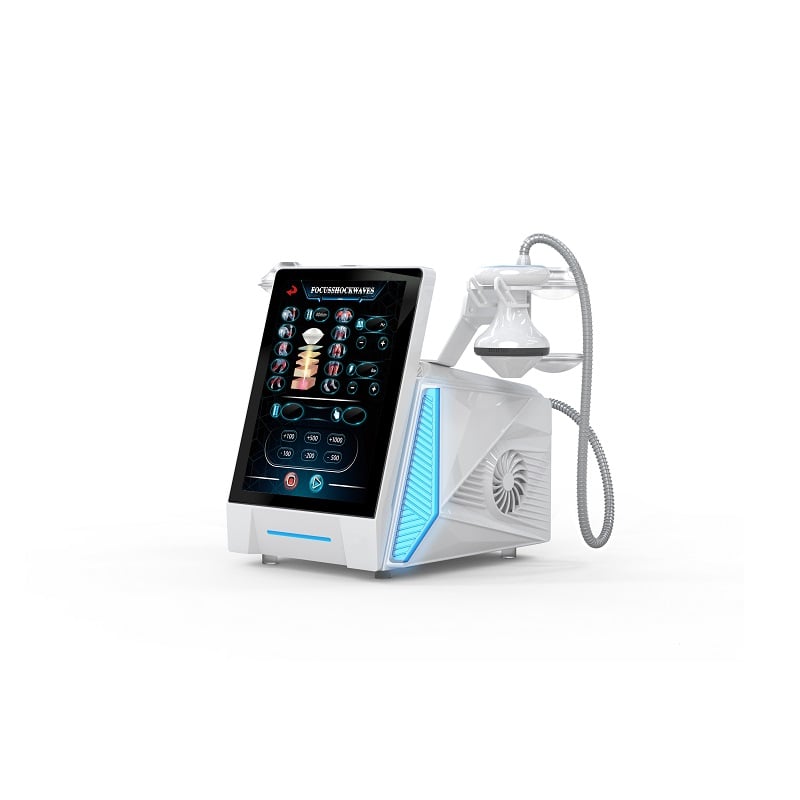
Understanding the vascular and metabolic effects requires separating plausible biological mechanisms from proven clinical outcomes. Shockwave treatment delivers acoustic pulses to a selected tissue area; it does not simply increase circulation everywhere or guarantee faster recovery. In musculoskeletal therapy, practitioners weigh proposed tissue responses alongside diagnosis, symptoms, medical history, and the person’s broader rehabilitation plan.
The pulses used in shockwave therapy create brief mechanical stress in a targeted area. Researchers have investigated whether this stimulus can influence endothelial cells, the cells lining blood vessels, and signaling involved in vascular remodeling. An extracorporeal shockwave is delivered from outside the body, with energy directed toward a treatment region rather than circulated through the bloodstream.
These responses offer a biological rationale, not proof that every patient develops a measurable increase in useful blood flow. The treatment parameters, tissue depth, and condition all matter. In practice, shockwave treatment is planned around a clinical goal, and musculoskeletal therapy may combine it with progressive loading or other care rather than treating circulation as an outcome on its own.
Blood-vessel signaling is complex, and laboratory findings cannot automatically predict changes in a person’s symptoms or function. A local vascular response may be temporary, modest, or difficult to distinguish from normal healing. When clinicians discuss shockwave therapy, they should explain that possible circulation effects are one proposed part of the response, not a guaranteed mechanism or a substitute for diagnosis.
Study design also shapes interpretation. Researchers may examine different tissues, energy levels, session schedules, and measures of blood flow, making results difficult to compare directly. Extracorporeal shockwave research therefore needs to be read in relation to the treated condition and the outcomes actually measured. For a patient, meaningful progress is better judged through pain, activity tolerance, and function than through a presumed vascular effect alone.
Metabolism describes the chemical activity cells use to maintain tissue, respond to stress, and repair damage. Mechanical pulses may prompt cellular signaling associated with remodeling, but the response varies by tissue and treatment dose. Shockwave therapy is therefore better understood as a possible stimulus to local biological activity than as a way to directly speed metabolism throughout the body.
Proposed effects include changes in cell communication and the local environment that supports repair. Those processes are relevant to musculoskeletal therapy, where persistent tendon or soft-tissue problems may involve altered load tolerance. Yet a plausible pathway is not the same as a confirmed clinical benefit. An extracorporeal shockwave intervention should be considered alongside the diagnosis, the evidence for that indication, and the person’s capacity to take part in rehabilitation.
The word metabolic can sound like a promise of a broad boost, but available discussion generally concerns local tissue responses. Shockwave treatment is not a general metabolism intervention, and it should not be presented as changing whole-body energy use, blood sugar, or weight. Clinicians can make the distinction clear by describing the target tissue and the specific outcome they intend to monitor.
A response may also depend on the tissue’s starting condition. An irritated tendon, a chronic soft-tissue complaint, and another diagnosis are not interchangeable treatment targets. For this reason, evidence about extracorporeal shockwave use in one condition should not be transferred automatically to another. Musculoskeletal therapy remains individualized: loading, recovery time, symptom behavior, and patient goals all influence how a treatment response is interpreted.
A sound decision begins with a specific diagnosis and a clear reason to consider shockwave therapy. The clinician should review symptom duration, previous care, relevant health factors, and whether the proposed target matches the source of symptoms. An extracorporeal shockwave device can deliver focused or broader acoustic energy, but equipment choice and settings do not replace clinical assessment or a condition-specific plan.
The expected role of treatment should be discussed before a course begins. Shockwave treatment may be used as one component of care, with activity changes or exercise supporting gradual return to function. In musculoskeletal therapy, the practitioner can agree on practical measures such as comfortable walking, work tasks, or tolerance for loading, then review those measures over time rather than relying on claims about blood flow or cellular activity.
Progress should be reviewed against the original goal, including symptom changes and everyday function. Some people experience temporary discomfort or sensitivity after a session, and treatment may not suit every presentation. Shockwave therapy requires consideration of contraindications and individual risks; the treating professional should obtain relevant medical information and explain when reassessment or another approach is appropriate.
If improvement is limited, the answer is not automatically to increase intensity or repeat sessions. The clinician can reconsider the diagnosis, treatment parameters, adherence to rehabilitation, and other contributors to symptoms. Evidence for an extracorporeal shockwave approach differs across conditions, so informed decisions should reflect the evidence available for the specific use. This keeps musculoskeletal therapy focused on measurable patient goals instead of assumed vascular or metabolic change.
Shockwave therapy may influence local vascular signaling, but a reliable, clinically meaningful increase in circulation is not assured. Findings depend on the tissue, protocol, and measurement used. A clinician should connect any proposed effect to the diagnosed condition and explain what changes will be monitored.
Extracorporeal shockwave is a localized treatment, not a general metabolic intervention. Research into cellular activity concerns responses in treated tissue; it does not establish effects on whole-body metabolism, weight, or blood sugar. Claims should remain specific to the indication and evidence.
Shockwave treatment may be considered for selected conditions as one part of musculoskeletal therapy. A practitioner first assesses suitability, explains likely benefits and limits, and pairs treatment with an appropriate recovery plan. Progress is assessed through symptoms and function, with care revised if the expected response does not occur.

