

 EN

exploring-thermocouple-control-inside-cryolipolysis-machines, exploring-thermocouple-control-inside-cryolipolysis-machines, /blog
EN
Inside a cryolipolysis machine, thermocouples measure temperature at specific points so the control system can respond to changing conditions. For a fat freezing device, this feedback helps distinguish a commanded setting from the temperature actually sensed near the applicator. In body contouring equipment, sensor placement and signal interpretation therefore matter as much as the display. During cryolipolysis treatment, reliable readings help operators follow a defined protocol rather than assume cooling is uniform.
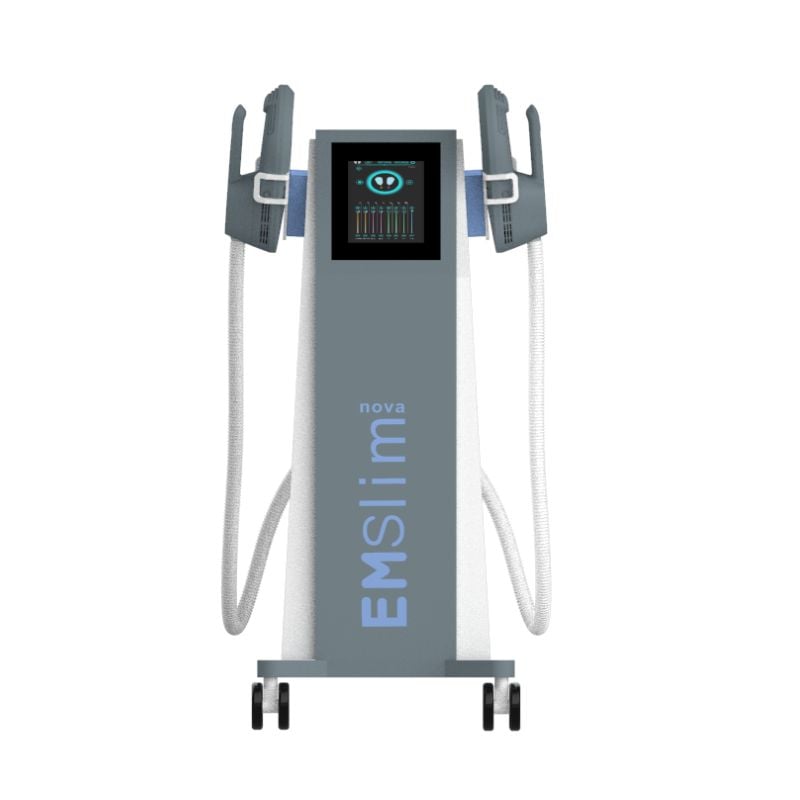
Thermocouple control is not simply a feature that makes a cryolipolysis machine cool more aggressively. It is a feedback method: a sensor produces a signal related to temperature, electronics interpret that signal, and a controller uses it to manage the cooling system. A fat freezing device may also rely on separate safeguards and operating limits. When evaluating body contouring equipment or planning cryolipolysis treatment, understanding this loop helps teams ask precise questions about monitoring, alarms, calibration, and response to faults.
A thermocouple uses two different conductors joined at a sensing point; a temperature difference produces a small voltage that the instrument can convert into a reading. In a cryolipolysis machine, that reading may inform control logic, a display, or both, depending on the design. A fat freezing device needs suitable signal conditioning because electrical noise, connector quality, and reference-junction compensation can affect measurement. For body contouring equipment used in a clinical workflow, clear indication of sensor status supports informed operation during cryolipolysis treatment.
The controller compares the measured value with its configured target or permitted range, then adjusts cooling output or signals that attention is needed. This does not mean the thermocouple directly measures every point of tissue, nor does it prove that all applicator surfaces are at an identical temperature. A cryolipolysis machine should be understood as a system of sensors, control logic, cooling components, and operator checks. For a fat freezing device, the display is one source of information, not a substitute for the specified procedure.
A sensor reports temperature where it is installed, so location determines what its reading can reasonably tell an operator. In a cryolipolysis machine, a thermocouple could monitor a component or an applicator area, according to the equipment design. A fat freezing device with a sensor far from the contact zone may not reflect local variations. Body contouring equipment documentation should explain sensor location and measurement purpose, especially when cryolipolysis treatment relies on a stable, repeatable operating sequence.
Contact, attachment, and movement can influence sensor response. A loose connection may create a fluctuating or implausible reading, while a sensor with a slow response may lag behind a rapid change. Operators should follow the device instructions for fitting applicators and checking cables rather than improvising a repair. For a cryolipolysis machine, this basic discipline helps separate a genuine temperature change from a measurement problem. It also helps teams interpret a fat freezing device alarm without assuming that the sensor alone identifies the cause.
A controller may switch or modulate cooling to keep a measured value within its programmed operating range. The precise behavior depends on the cooling architecture and control settings, so a cryolipolysis machine should be assessed against its own technical documentation. In a fat freezing device, an alarm or shutdown response may be designed for a sensor fault, an out-of-range value, or another abnormal condition. Body contouring equipment procedures should clarify which alerts require pausing, stopping, or contacting service during cryolipolysis treatment.
Operators should not change setpoints to compensate for a suspected sensor error unless the manufacturer’s instructions specifically permit that action. A reading that appears inconsistent with the displayed status deserves attention, not a guess. Check the stated setup, cable connection, and alert guidance, then record the issue through the site’s normal process. For a cryolipolysis machine, the target is controlled operation within defined limits, not the lowest possible temperature. That distinction helps a fat freezing device remain part of a managed treatment workflow.
An alarm is useful only when staff understand what it indicates and what action follows. Training for a cryolipolysis machine should cover the difference between a routine notification and a condition that requires stopping use. A fat freezing device may present sensor, temperature, or system alerts, but the meaning is model-specific. For body contouring equipment, written escalation steps can help staff respond consistently during cryolipolysis treatment, preserve relevant details, and avoid restarting equipment before the cause has been addressed.
A sound response begins with the exact alert message and the situation in which it appeared. Staff can document the time, applicator in use, and any visible change without making unsupported conclusions about the fault. The next step should follow the approved operating and service instructions. Thermocouple feedback contributes to oversight, but it cannot replace operator observation or maintenance. When a cryolipolysis machine repeatedly reports an abnormal value, treat the recurrence as a service concern rather than clearing it as an inconvenience.
Calibration checks whether an instrument’s reported value agrees with an appropriate reference under defined conditions; it is different from adjusting a treatment setting. A cryolipolysis machine should have maintenance guidance that explains how sensor accuracy is assessed, who may perform the work, and how results are recorded. For a fat freezing device, teams should follow the stated service interval and avoid unapproved test methods. Body contouring equipment records can make repeated deviations easier to identify before cryolipolysis treatment is scheduled.
Routine checks should also cover physical condition: connectors, cables, applicator interfaces, and any visible damage described in the instructions. A thermocouple may be electrically intact yet provide unreliable information if its installation or connection is compromised. Keep records of service, calibration outcomes, and recurring alerts in the format required by the organization. This history helps a cryolipolysis machine’s service process focus on evidence instead of assumptions and gives staff a consistent basis for deciding whether a fat freezing device is ready for use.
When reviewing a cryolipolysis machine, ask what each temperature sensor monitors, how readings are displayed, and what conditions trigger an alarm or protective response. Request the operating limits and the instructions for sensor checks, calibration, and service. For body contouring equipment, clear documentation should identify operator responsibilities without suggesting that a temperature display alone guarantees a particular outcome. These details help a team determine whether a fat freezing device fits its workflow and supports a controlled cryolipolysis treatment process.
Also confirm how the system behaves if a sensor becomes disconnected or its signal falls outside an expected range. Ask whether the device indicates a fault clearly and what action the operator must take before resuming use. A comparison of procedures should focus on clarity, traceability, and practical staff training, not an assumption that every thermocouple system is identical. Buyers assessing other platforms can review cryolipolysis requirements alongside the intended use of each device, keeping technical specifications distinct from treatment claims.
It measures temperature at its installed sensing point, which may be a component or applicator area as defined by the design. A cryolipolysis machine reading does not automatically represent every point of tissue. For a fat freezing device, consult the documentation to understand sensor location, display meaning, and how readings inform body contouring equipment operation during cryolipolysis treatment.
No. Feedback supports monitoring and control, but performance also depends on system design, sensor position, maintenance, and correct operation. A cryolipolysis machine should be used within its stated limits, and staff should respond to alerts as instructed. Thermocouple feedback in a fat freezing device informs body contouring equipment oversight; it does not by itself establish a treatment outcome for cryolipolysis treatment.
Follow the device’s instructions for the specific alert, pause or stop use when directed, and record the displayed message and circumstances. Do not bypass a warning or alter settings to conceal it. A cryolipolysis machine that repeats an abnormal alert needs the designated service review. This approach supports safe handling of a fat freezing device and consistent use of body contouring equipment during cryolipolysis treatment.

