

 EN

focused-shockwave-for-bone-healing-vs-soft-tissue-recovery-work, focused-shockwave-for-bone-healing-vs-soft-tissue-recovery-work, /blog
EN
Focused shockwave therapy may be considered for selected bone-healing problems and soft-tissue conditions, but the treatment goals and clinical reasoning are not interchangeable. In orthopedic rehabilitation, choosing an approach starts with the diagnosis, tissue involved, healing stage, and the patient’s overall plan—not simply the location of pain.
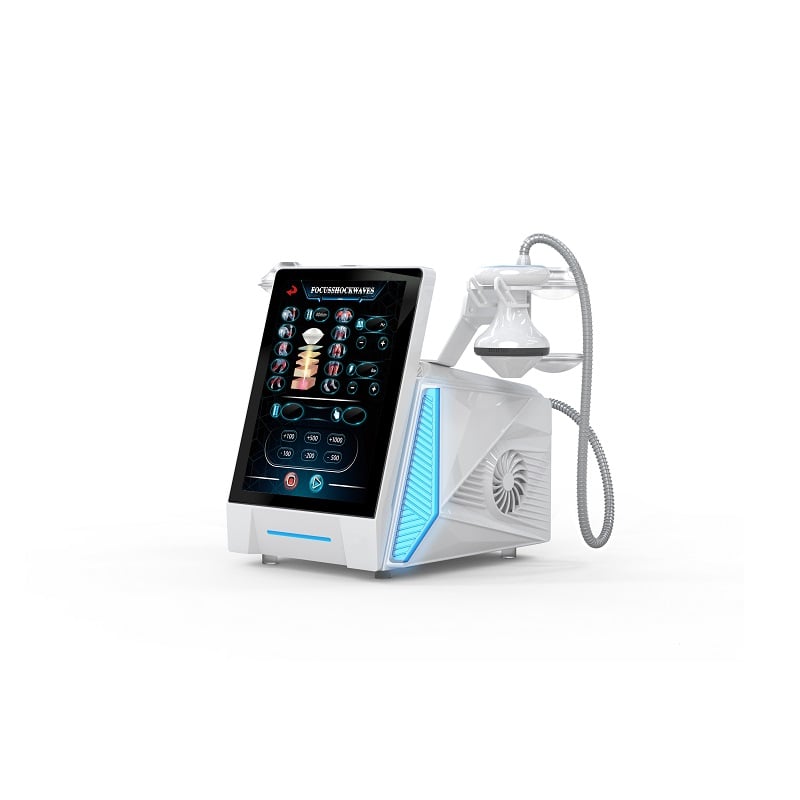
The distinction matters because bone and soft tissue differ in structure, blood supply, loading demands, and recovery timelines. A focused shockwave device delivers energy to a selected treatment region, while extracorporeal shockwave describes delivery from outside the body. Both terms describe technology or delivery, not a diagnosis or guaranteed outcome.
For bone, the clinician first needs to establish what is limiting recovery and whether shockwave treatment is appropriate for that specific case. Focused shockwave therapy may be discussed for selected delayed-healing or nonunion situations, but it is not a substitute for diagnosis, fracture management, or assessment of mechanical stability. Extracorporeal shockwave is considered within the broader clinical context, including imaging findings, symptoms, and prior care.
The target and treatment plan should reflect the bone involved, the injury history, and any medical factors that could affect healing. A focused shockwave device allows the clinician to direct energy toward a defined region, but treatment settings and suitability require professional judgment. In orthopedic rehabilitation, the aim is to support a wider recovery strategy rather than treat a scan or pain score in isolation.
Patients should understand that bone recovery can take time and that response varies. Focused shockwave therapy does not make normal activity automatically safe, nor does a treatment session confirm that bone has united. Extracorporeal shockwave planning should account for follow-up, symptom changes, and appropriate imaging or medical review. The focused shockwave device is one possible modality within that decision process, not a replacement for it.
Soft-tissue applications commonly address persistent tendon or related musculoskeletal symptoms, where the plan may combine load adjustment with progressive exercise. The purpose is not identical to supporting a bone-healing challenge. Focused shockwave therapy can be considered when the diagnosis, symptom duration, and previous conservative care make it a reasonable option, alongside a clear rehabilitation plan.
Tendons respond to repeated loading, so symptom relief alone is not the whole recovery measure. A focused shockwave device may be used as one part of care, while orthopedic rehabilitation builds capacity through appropriately graded movement. Clinicians should clarify which structure is being treated and how activity will progress. Extracorporeal shockwave treatment should fit that plan instead of displacing exercise or necessary load management.
Selection begins with a reliable diagnosis. Bone pain, tendon pain, and referred symptoms can overlap, so history and examination matter; imaging may be relevant when the suspected condition requires clarification. In orthopedic rehabilitation, the clinician also reviews symptom duration, functional limits, health history, and previous interventions before deciding whether focused shockwave therapy fits the case.
The treatment target should be specific enough to guide application and later review. A focused shockwave device is selected and configured according to the intended use, treatment site, and applicable clinical guidance. The clinician should explain expected sensations, the session plan, possible short-term reactions, and when to seek further assessment. Extracorporeal shockwave is not suitable for every patient or every stage of recovery.
Readiness also depends on the wider care pathway. Before starting, patients and clinicians can agree on a baseline measure such as pain during a relevant task or a functional limitation. That makes progress easier to assess than relying on impressions alone. Focused shockwave therapy should have a defined role, and orthopedic rehabilitation should specify how exercise, work demands, and sport or daily activity will be adjusted during review.
Device selection is not merely a matter of output or appearance. The practitioner needs to understand the system’s energy delivery, applicator options, operating instructions, maintenance requirements, and intended clinical applications. A focused shockwave device should be used by trained personnel who can match its capabilities to the treatment objective and follow relevant safety procedures.
For a clinic, implementation also involves staff training, patient screening, documentation, and a workable appointment process. Extracorporeal shockwave equipment does not determine the diagnosis or establish a treatment protocol by itself. When evaluating a focused shockwave device, teams should check that its specifications and instructions support the intended service, and that the clinical team can use it consistently within orthopedic rehabilitation.
These checks matter whether a service treats selected bone cases or persistent soft-tissue conditions. Focused shockwave therapy should be delivered according to an appropriate protocol, with any contraindications or precautions considered before treatment. A clinic should also decide how it will record settings, monitor tolerance, and communicate with other clinicians. Extracorporeal shockwave practice is strongest when equipment use is integrated into an accountable care pathway.
Progress measures should reflect the original problem. For bone, clinicians may monitor symptoms, function, and appropriate evidence of healing over time; changes in discomfort alone cannot establish union. For soft tissue, meaningful indicators may include tolerance of loading, daily function, and response to progressive exercise. Orthopedic rehabilitation connects these measures to practical goals rather than assuming the same endpoint for every patient.
Review timing should be agreed in advance. After focused shockwave therapy, the clinician can compare the patient’s baseline with current symptoms and function, then decide whether to continue, modify, or stop the intervention. A focused shockwave device should not be used repeatedly without a reasoned review. Extracorporeal shockwave is one element to evaluate alongside adherence, workload, recovery, and any change in diagnosis.
If symptoms worsen, function declines, or expected milestones are not reached, reassessment is more useful than simply increasing treatment. In orthopedic rehabilitation, clinicians may reconsider the diagnosis, loading plan, imaging needs, or referral pathway. Focused shockwave therapy cannot override an underlying structural or medical issue. A focused shockwave device should remain part of a plan that responds to evidence and patient tolerance.
Bone and soft-tissue recovery both require patience, but the reasons for slower progress can differ. Bone healing may be affected by stability and broader health factors, while tendon recovery often depends on balancing load and capacity. Extracorporeal shockwave treatment does not remove these influences, so patients need a clear explanation of what the intervention can and cannot contribute.
For bone cases, the plan should retain appropriate medical follow-up and restrictions until the treating clinician confirms changes are safe. For soft-tissue cases, ongoing exercise and gradual return to demanding activity are often central considerations. Focused shockwave therapy may be one component in either discussion, but treatment choices should reflect the tissue, diagnosis, goals, and response rather than a generalized promise.
Clinics can support better decisions by documenting the indication, target, settings, patient response, and next review point. Orthopedic rehabilitation then provides a framework for coordinating treatment with functional progression. A focused shockwave device is useful only when its use is clinically justified and competently delivered. Extracorporeal shockwave should be discussed in straightforward terms so patients understand the plan and participate in decisions.
It may be considered for selected conditions involving either tissue, but the indications and treatment goals differ. A clinician must confirm the diagnosis and decide whether focused shockwave therapy is appropriate within the overall care plan.
No. A focused shockwave device is a treatment tool, not a complete recovery program. Orthopedic rehabilitation may include exercise, load management, and functional progression, with the specific plan based on the condition and patient.
Assessment should use outcomes suited to the tissue and diagnosis, such as function, activity tolerance, symptoms, and clinically appropriate evidence of bone healing. Extracorporeal shockwave response should be reviewed with the clinician, who can adjust the plan or arrange further assessment.

