

 EN

focused-shockwave-therapy-equipment-a-practical-guide-for-medical-equipment-buyers, focused-shockwave-therapy-equipment-a-practical-guide-for-medical-equipment-buyers, /blog
EN
Buying focused shockwave therapy equipment is a clinical and operational decision, not simply a matter of comparing device specifications. Medical equipment buyers need to match the system’s treatment method, controls, and workflow to the conditions their clinicians manage, while checking training, service, and room requirements before committing.
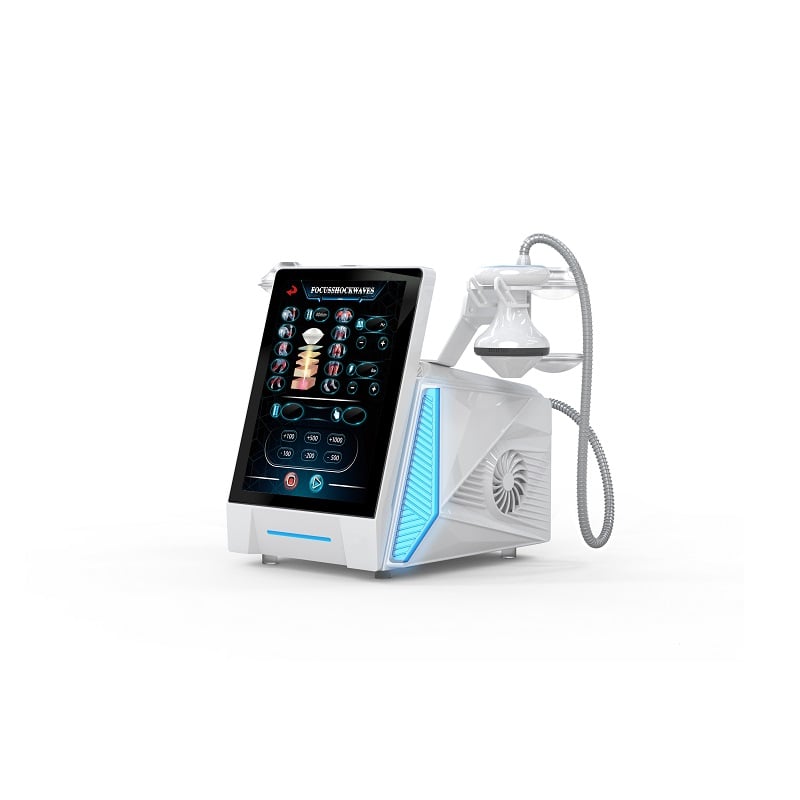
A useful evaluation begins with the intended patient pathway and the people who will operate the device. Clarify which treatments the clinic expects to provide, how sessions fit into existing appointments, and what support clinicians need. This guide focuses on those buyer decisions, helping you assess equipment fit before procurement and avoid treating a technical specification as a substitute for clinical planning.
Start by documenting the conditions and treatment goals relevant to your service. Focused shockwave therapy uses acoustic energy directed toward a treatment region, so buyers should ask how the device describes its delivery method and how clinicians will select parameters. When assessing a shockwave machine, request clear operating documentation and confirm that the intended use aligns with the clinic’s protocols. FSWT should be understood within the practice’s clinical scope, not selected from a label alone.
Discuss the patient groups, referral patterns, and appointment types the equipment must support. This context helps determine whether shockwave therapy equipment fits the service plan and whether the clinic has suitable space and staffing. Include physiotherapy equipment already in use when mapping the treatment pathway, since setup, storage, and patient movement affect daily workflow. Ask clinical leads to describe realistic cases, then use those cases to guide a structured review of the device functions.
A practical demonstration should show how an operator prepares a session, adjusts available settings, and ends treatment safely according to the manufacturer’s instructions. For a shockwave machine, buyers should examine the clarity of the interface, the accessibility of treatment controls, and how settings are recorded in routine practice. Review FSWT operating steps with clinicians who will use the system. Also consider how the unit interacts with other physiotherapy equipment in the room.
Do not assume that a feature is useful simply because it appears on a specification sheet. Ask the presenter to connect each function to a clinical task, such as selecting an appropriate applicator or documenting a session. With shockwave therapy equipment, straightforward workflow can make staff onboarding and consistent operation easier to plan. Confirm that the proposed focused shockwave therapy process suits appointment length, patient positioning, and cleaning procedures at your site.
Compare technical details only after defining the clinic’s intended applications. Request explanations of energy delivery, available settings, applicators, and any stated operating limits, then have a qualified clinical stakeholder interpret their relevance. A shockwave machine specification should be understandable enough for procurement and clinical teams to discuss together. When reviewing FSWT, distinguish measurable device details from claims that require evidence or clarification before they influence a purchasing decision.
Ask what information supports the proposed use and whether it relates to the patient population and treatment approach your service plans to adopt. This step makes shockwave therapy equipment evaluation more disciplined than feature counting. Consider how the system will complement existing physiotherapy equipment, including any accessories or room changes needed. Buyers should record unanswered questions and request written clarification, especially where a specification could affect safety procedures, training, or routine operation.
Arrange hands-on review with the clinicians and technicians who will manage the system. They can assess setup, interface readability, positioning, and the effort required to move or store a shockwave machine. Ask what initial and refresher training covers, how new staff learn the approved workflow, and where operating guidance is kept. For FSWT, training plans should address both device use and the clinic’s own patient screening and documentation processes.
Service planning deserves the same attention as the device itself. Confirm warranty terms, maintenance expectations, technical support channels, and the process for obtaining replacement components. Ask how service affects availability and what records the clinic should maintain for shockwave therapy equipment. If the unit shares a treatment room with other physiotherapy equipment, clarify how maintenance, storage, and electrical arrangements affect room access. These details help buyers estimate the operational commitment beyond initial purchase.
A sound business case considers more than the quoted purchase price. Include delivery, installation, staff training, room preparation, maintenance, and any consumables or accessories identified during evaluation. For a shockwave machine, document which costs are confirmed and which remain estimates. The same review should consider how FSWT appointments fit capacity planning, how the equipment supports the proposed service, and whether the clinic can sustain the associated training and administrative work.
Before approval, define responsibilities for clinical governance, procurement, facilities, and ongoing maintenance. This prevents essential decisions from being left until after delivery. Check whether shockwave therapy equipment requires changes to room layout, power access, cleaning routines, or appointment templates. Compare those needs with the clinic’s current physiotherapy equipment inventory and local procedures. A readiness assessment should state who will complete each task and what evidence is needed before the first patient appointment.
Write acceptance criteria before purchase so the evaluation remains objective. Criteria might cover delivery of agreed training, verification of accessories, availability of operating documents, and successful completion of a supervised setup. For focused shockwave therapy, specify who confirms that the system and workflow are ready for intended use. Ask the supplier to demonstrate agreed functions on the shockwave machine, while clinical staff verify that instructions and controls are clear.
After implementation, review whether the equipment is being used as planned and whether staff need further training or workflow adjustments. Track practical indicators such as appointment fit, setup issues, service requests, and clinician feedback rather than assuming purchase equals successful adoption. Keep FSWT procedures current and review how shockwave therapy equipment integrates with the wider service. This ongoing check helps managers make informed decisions about training, scheduling, and future capital planning.
Define intended applications, expected users, room constraints, training needs, and required support. A clear scope lets procurement teams ask comparable questions and identify which specifications matter to their clinic, rather than relying on a feature list without operational context.
Include clinicians who will operate the system, a procurement representative, and relevant facilities or technical staff. Each group can assess a different part of fit, from treatment workflow and controls to room setup, service planning, and documentation.
Assign owners for installation, training, clinical procedures, and maintenance records before delivery. Confirm room readiness and staff availability, then use agreed acceptance criteria to verify that the setup and workflow are ready for routine use.

