

 EN

focused-shockwave-therapy-vs-conventional-shockwave-therapy-what-buyers-should-know, focused-shockwave-therapy-vs-conventional-shockwave-therapy-what-buyers-should-know, /blog
EN
Focused shockwave therapy and conventional shockwave therapy are not interchangeable labels for the same purchasing decision. Buyers should compare how each system delivers acoustic energy, which clinical needs it is intended to support, and how its workflow fits the practice. The right choice depends on patient presentations, practitioner training, and the service plan, not simply on the word focused in a product description.
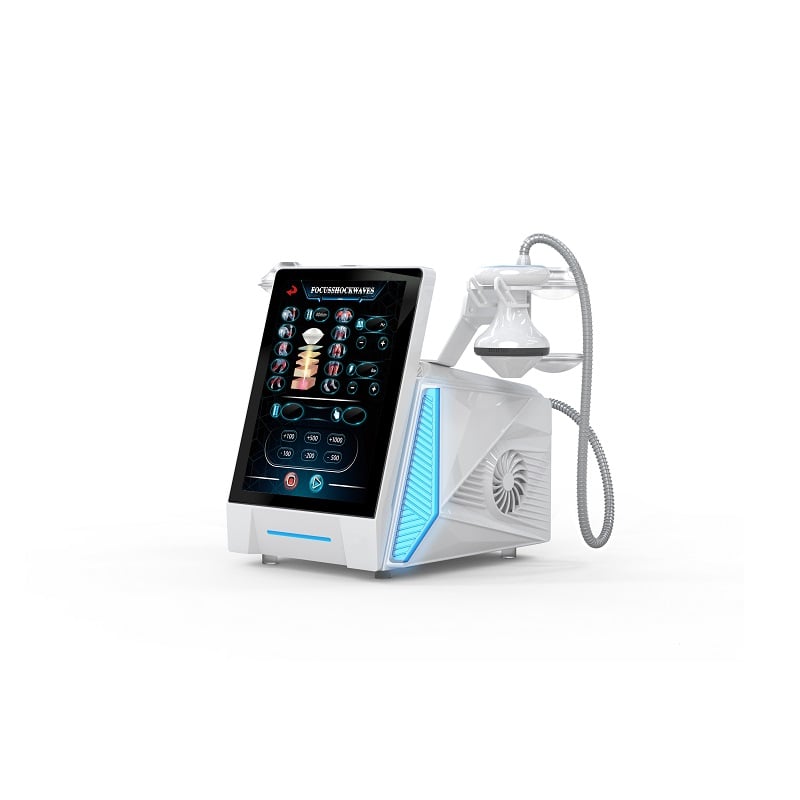
A useful comparison starts with the intended treatment area and the equipment’s documented operating characteristics. A shockwave machine should be assessed alongside the clinic’s existing physiotherapy equipment, staff capability, and patient pathway. Buyers also need to distinguish these options from modalities such as tecar, which use a different energy approach and should not be treated as a direct substitute.
Focused shockwave therapy is designed to concentrate acoustic energy at a selected depth, while conventional systems often use a radial approach that disperses energy from the applicator. This distinction can influence how a clinician plans treatment for a defined structure. When comparing shockwave therapy, ask for clear technical documentation on energy, depth, applicator options, and adjustment controls rather than relying on a broad product label.
The clinical target matters more than a simple claim that one method is stronger. Focused delivery may be relevant when a practitioner wants to address a specific treatment zone, while radial delivery may suit broader or more superficial areas. A shockwave machine should let trained users understand and adjust its parameters, and the intended shockwave therapy applications should align with the clinic’s scope and protocols.
Conventional shockwave therapy commonly refers in clinical purchasing discussions to radial pressure-wave treatment, although terminology can vary between sellers. Buyers should confirm what a device actually delivers and how the manufacturer defines its mode. This is important when comparing physiotherapy equipment because similarly named systems may have different applicators, settings, and treatment instructions. Tecar uses radiofrequency energy, so it is a separate modality.
For a fair comparison, request operating details, contraindications, maintenance guidance, and user training information for each option. Ask how the proposed shockwave therapy workflow differs from an existing tecar service, if the clinic offers one. The purpose is not to declare a universal winner, but to understand whether a focused or conventional shockwave machine complements current care and fills a documented clinical need.
Start with the conditions and treatment regions the practice expects to manage, then consider whether focused or conventional shockwave therapy fits those presentations. Discuss case selection with clinicians who will use the device, including how they assess patients, set treatment goals, and review response. The intended application should be supported by training and documentation, not inferred from the name of the shockwave machine.
A clinic that treats varied presentations should consider how each option would sit within its overall service mix. Compare the proposed shockwave therapy approach with hands-on care, exercise plans, and other modalities such as tecar. The wider physiotherapy equipment setup also matters: available treatment space, electrical requirements, storage, cleaning routines, and appointment timing all affect whether a system can be integrated reliably.
During a product demonstration, ask clinicians to review controls, applicator handling, patient positioning, and the clarity of treatment guidance. A shockwave machine may offer settings that look useful on paper, but staff need to understand what those settings mean in practice. Ask what training is provided, how competency is maintained, and what support is available if the device needs inspection or repair.
Operational fit includes more than the initial purchase. Buyers should confirm consumable requirements, routine care, warranty terms, service arrangements, and any expected downtime procedures. Compare these points across physiotherapy equipment categories and ask whether tecar or another existing service already meets part of the intended need. For shockwave therapy, a clear ownership plan helps protect clinic scheduling and supports consistent use across trained practitioners.
Use a written evaluation brief that identifies treatment goals, user requirements, and essential device specifications. Ask the seller to demonstrate the exact shockwave therapy mode under consideration and explain its limits. Confirm whether the system is focused or radial, how the manufacturer describes energy delivery, and what evidence or technical documentation supports the intended use. Avoid basing a decision on demonstration intensity alone.
A useful demonstration should include routine setup, parameter selection, safe applicator use, and shutdown or cleaning steps. If a focused option is under review, confirm how the device guides selection of the treatment zone and depth. Compare those details with conventional shockwave therapy practice and the clinic’s treatment protocols. Record questions and answers so stakeholders can assess the shockwave machine against the same criteria.
Include clinical leads, users, and the person responsible for equipment planning in the final review. They should consider the expected patient pathway, staff training time, room use, and service obligations together. Evaluate the proposed physiotherapy equipment within the clinic’s full setup, including whether the addition duplicates a function already served by tecar or other services.
The final decision should state why the selected approach suits the practice and what would trigger a future reassessment. For example, changes in case mix, staffing, or treatment protocols may alter the value of a focused or conventional system. Set expectations for safe use, documentation, and review of clinical workflows. This makes shockwave therapy a deliberate service decision rather than an isolated equipment purchase.
No. Focused shockwave therapy may suit specific treatment plans, but appropriateness depends on clinical assessment, training, and the target area. Buyers should compare intended use and device documentation rather than assume one shockwave therapy method is best for every patient.
Confirm the delivery type, operating parameters, applicators, training, service, maintenance, and intended applications. These details help show whether the shockwave machine fits the clinic’s physiotherapy equipment plan and its established treatment workflow.
No. Tecar uses a different energy modality and should be assessed separately. A clinic can compare how tecar and shockwave therapy fit its patient pathway, but one should not be assumed to replace the other without clinical and operational justification.

