

 EN

focused-shockwave-vs-ultrasound-therapy-for-chronic-tendon-pain, focused-shockwave-vs-ultrasound-therapy-for-chronic-tendon-pain, /blog
EN
For chronic tendon pain, focused shockwave therapy and therapeutic ultrasound are different treatment options, not interchangeable versions of the same approach. The choice depends on the clinical goal, the tendon’s condition, symptom history, and the patient’s broader orthopedic rehabilitation plan. Understanding what each modality is intended to do helps clinicians set realistic expectations and decide whether either one belongs in a coordinated care program.
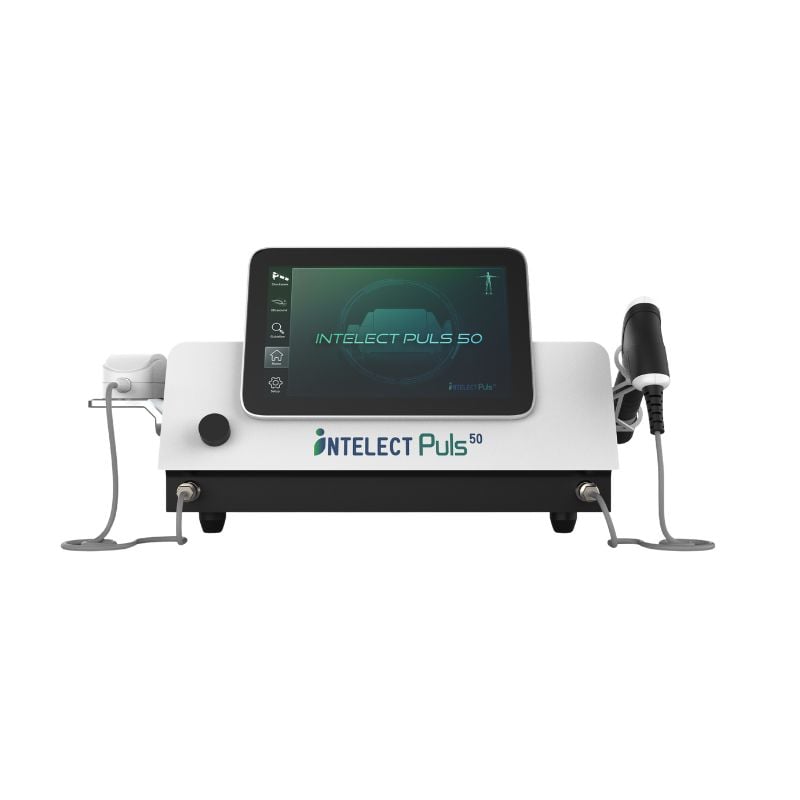
A focused shockwave device delivers acoustic energy to a selected treatment area, while ultrasound uses sound waves to produce effects in tissue according to its settings and application. In practice, extracorporeal shockwave treatment is usually considered for persistent tendon problems as part of a wider plan, whereas ultrasound may be chosen for a different therapeutic purpose. Neither modality replaces diagnosis, progressive loading, or sound clinical judgment.
Focused shockwave therapy directs acoustic energy toward a defined target, allowing a clinician to treat a specific region associated with tendon symptoms. The treatment is delivered from outside the body, which is why the broader term extracorporeal shockwave is used. A focused shockwave device should be selected and configured according to the intended application and the clinician’s training. It does not directly repair every cause of pain, and its use should follow assessment of the tendon, surrounding structures, and relevant health factors.
Therapeutic ultrasound applies high-frequency sound through a treatment head moved over the skin, with coupling gel helping energy enter the tissue. Settings and technique influence the treatment effect, so ultrasound is not a single uniform intervention. Compared with focused shockwave therapy, ultrasound generally offers a different delivery pattern and clinical rationale. The distinction matters when a clinician explains why one modality is being considered, what response is being monitored, and how the treatment fits with exercise or activity modification.
A tendon that has remained painful despite an appropriate period of load management presents a different decision from a recent, mild flare. Clinicians may discuss extracorporeal shockwave when symptoms are persistent and the diagnosis, treatment history, and patient goals support considering it. A focused shockwave device can deliver energy to a targeted area, but the plan still needs to account for irritability, tolerance, and the person’s daily demands. The therapy is one possible component of orthopedic rehabilitation, not a stand-alone guarantee of recovery.
The useful comparison is not which treatment is universally better, but which one addresses the current clinical question. If the aim is to apply targeted acoustic energy to a persistent tendon presentation, focused shockwave therapy may be discussed after a thorough assessment. If the clinician’s goal calls for ultrasound, its use should be tied to a clear rationale and a way to judge whether it is helping. A focused shockwave device and an ultrasound system may be available together, yet their presence in one unit does not make their effects equivalent.
Extracorporeal shockwave treatment involves choices about target location, delivery approach, and patient tolerance; these require appropriate training and device instructions. Ultrasound also requires competent application, including suitable settings and technique. During orthopedic rehabilitation, a clinician should explain the intended role of either modality alongside the active plan. Focused shockwave therapy should not distract from progressive strengthening, a carefully adjusted return to loading, or evaluation of factors that may keep symptoms active.
Before treatment begins, agree on what improvement would mean for the patient: for example, better tolerance of a work task, walking, or a specific exercise. Record symptoms and relevant function so decisions are based on more than a momentary sensation after a session. In orthopedic rehabilitation, follow-up can determine whether the plan should continue, change, or be reassessed. A focused shockwave device may be part of that plan, but device settings, session schedules, and expected response should be determined by qualified clinical judgment rather than assumed to be identical for everyone.
A clinician may also explain that treatment response can vary and that chronic tendon pain often requires patience and consistent load management. Extracorporeal shockwave is not a substitute for confirming the source of symptoms, particularly when the presentation is atypical or worsening. Focused shockwave therapy should be discussed in the context of potential benefits, limitations, and any relevant precautions. Ultrasound should likewise have a defined purpose, rather than being added automatically because it is available in the clinic.
Selection begins with a working diagnosis, the location and duration of symptoms, prior care, and the patient’s goals. The clinician should review relevant precautions and decide whether further evaluation is needed before applying either treatment. A focused shockwave device must support the intended clinical application, with clear operating guidance and appropriate staff training. When considering extracorporeal shockwave, confirm that the treatment target and delivery approach suit the case; equipment availability alone is not a clinical indication.
A combined system can make both modalities accessible in one treatment setting, but the clinician still needs to choose each function deliberately. For focused shockwave therapy, consider whether the device provides the delivery method needed for the intended target and whether its controls are understood by the treating professional. For ultrasound, consider the planned purpose, application technique, and monitoring approach. Sound orthopedic rehabilitation depends on matching tools to patient needs, not on using every function offered by a device.
The strongest practical plan connects symptom management with gradual restoration of tendon capacity. Exercise dosage should reflect current tolerance and progress in response to function, not simply follow a fixed calendar. If extracorporeal shockwave is included, coordinate sessions with loading so the patient knows how to manage activity and report changes. Focused shockwave therapy may support a broader care pathway, while education, adherence, and appropriate progression remain central to orthopedic rehabilitation.
Reassess when pain changes unexpectedly, function declines, or the expected progress does not occur. The clinician can revisit the diagnosis, treatment rationale, and loading plan instead of repeating a modality without review. A focused shockwave device can offer a targeted treatment option, but it cannot replace informed consent or ongoing clinical assessment. Comparing it with ultrasound is therefore most useful when the decision is framed around the patient’s presentation, specific goals, and the role of each treatment within a complete plan.
No. Focused shockwave therapy delivers targeted acoustic energy, while ultrasound uses high-frequency sound through a treatment head. Their delivery and intended clinical roles differ. A clinician can explain whether either modality is appropriate for a particular tendon problem and how it fits with exercise and orthopedic rehabilitation.
A clinician may discuss extracorporeal shockwave for a persistent tendon presentation after reviewing the diagnosis, prior care, goals, and relevant precautions. A focused shockwave device should only be used by appropriately trained professionals who can select and apply it for a suitable case.
They can both be available in a clinic, but each should have a clear reason for use. Focused shockwave therapy and ultrasound are not automatically combined or substituted for one another. The care plan should explain the purpose of each modality and how it supports progressive orthopedic rehabilitation.

