

 EN

focused-vs-radial-shockwave-therapy-choosing-the-right-modality, focused-vs-radial-shockwave-therapy-choosing-the-right-modality, /blog
EN
Choosing between focused and radial treatment depends on the clinical target, the depth and size of the treatment area, and the patient’s presentation. Focused shockwave therapy concentrates acoustic energy at a selected depth, while radial treatment distributes energy from the applicator outward. In orthopedic rehabilitation, the right modality is the one that fits the treatment plan, not simply the one with the more technical-sounding name.
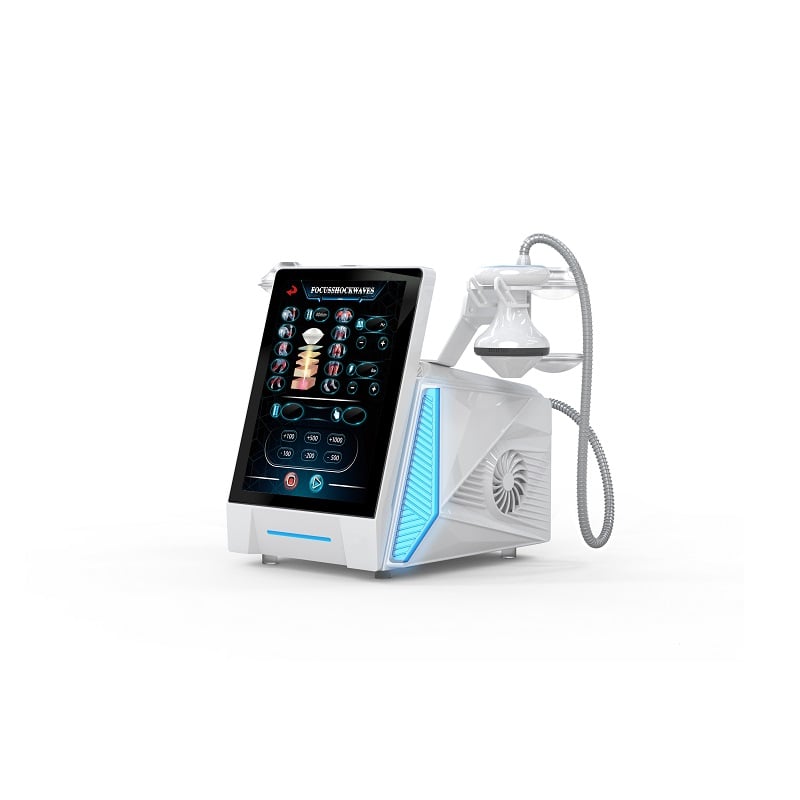
This comparison explains how the two approaches differ and how clinicians can apply those differences when selecting equipment and planning care. A focused shockwave device may suit a defined target at depth, whereas radial treatment may be considered for broader, more superficial regions. Assessment, patient tolerance, training, and the intended treatment outcome should guide the decision.
Focused shockwave therapy directs energy toward a selected focal zone beneath the applicator. The clinician can consider that concentration when a treatment plan calls for a more specific target. Extracorporeal shockwave is an umbrella term for externally delivered acoustic wave treatments, so the label alone does not identify how energy is distributed or where its greatest effect is intended.
Radial waves spread from the applicator tip, with energy greatest near the surface and dispersing as it travels through tissue. This can make radial treatment a practical consideration for larger or more superficial areas. A focused shockwave device, by contrast, is selected when the treatment rationale includes a defined focal depth; orthopedic rehabilitation plans should still account for the actual diagnosis and patient response.
The source and applicator design influence the treatment field, available settings, and workflow. When comparing a focused shockwave device with radial equipment, review the operating principle, treatment heads, adjustment options, and instructions for use rather than relying only on general product labels. Focused shockwave therapy is not automatically preferable; its characteristics matter only when they match the clinical objective.
Clinicians should also consider how the patient will be positioned and how reliably the target can be located. Extracorporeal shockwave procedures involve contact between the applicator and skin, coupling material, and controlled movement or placement according to the treatment protocol. In orthopedic rehabilitation, clear setup procedures help make treatment more consistent and support appropriate documentation.
Begin with the clinical question: is the intended treatment area broad and relatively superficial, or is there a reason to target a more localized region at depth? Focused shockwave therapy may align with the latter treatment rationale, while radial application may be considered for broader regions. Extracorporeal shockwave should be understood as a treatment category, not a single uniform technique.
Next, check whether the proposed modality fits the diagnosis, tissue location, and care plan. A focused shockwave device can offer a way to direct energy toward a focal zone, but device capability does not determine clinical suitability on its own. Clinicians working in orthopedic rehabilitation should use current professional guidance and patient-specific assessment to establish whether either approach is appropriate.
Comfort, sensitivity, treatment history, and patient expectations can affect the choice and progression of care. Discuss likely sensations and explain that response varies; do not promise a particular result based on modality alone. Extracorporeal shockwave treatment should be delivered by trained personnel who understand precautions, contraindications, and the relevant device instructions.
Operational details matter as well. Consider room setup, staff training, maintenance requirements, applicator availability, and the time needed to prepare and document a session. A focused shockwave device should fit the clinic’s caseload and protocols, not just an isolated treatment scenario. These practical checks help orthopedic rehabilitation teams use equipment consistently while keeping clinical judgment central.
A useful selection process starts by defining the cases the clinic expects to treat and the treatment goals associated with them. Then compare how each modality delivers energy, what treatment areas its applicators can address, and what training the team needs. Focused shockwave therapy may be a closer fit where a specified focal target is part of the plan; a broader superficial target may lead clinicians to assess radial options instead.
Review device documentation for adjustable parameters, applicator choices, maintenance needs, and safety information. Ask whether staff can follow the recommended setup and treatment technique, and whether the workflow fits the clinic’s schedule. A focused shockwave device should be evaluated on these practical details as well as its intended energy-delivery profile. Avoid treating a feature list as evidence that a device is suitable for every patient.
Record the clinical rationale for selecting a modality, the treatment area, relevant precautions, and the patient’s response over time. Reassess the plan when symptoms, function, or tolerance do not follow the expected course. Extracorporeal shockwave treatment is one possible component of care, not a substitute for an overall rehabilitation plan or clinical reassessment.
For clinics considering a dedicated focused shockwave device, review intended use, staff competency, service arrangements, and how the equipment will be integrated into existing procedures. Link each choice to a clear clinical purpose and explain the plan to the patient. In orthopedic rehabilitation, this disciplined approach makes the comparison between focused and radial modalities more useful than choosing by trend or specification alone.
No. Focused shockwave therapy concentrates energy at a selected focal zone, while radial treatment spreads energy outward from the applicator. Both are forms of extracorporeal shockwave treatment, but they are not interchangeable in their delivery characteristics.
Assess intended treatment areas, energy delivery, applicators, operating settings, training, maintenance, and safety instructions. Also confirm that the device can be used within the clinic’s protocols and that the proposed modality fits patient-specific clinical reasoning.
A clinician may consider radial treatment when the plan addresses a broader, relatively superficial region rather than a defined target at depth. The choice should follow assessment and treatment goals. In orthopedic rehabilitation, neither modality should be selected without considering precautions, patient tolerance, and the wider care plan.

