

 EN

full-body-pemf-mats-vs-local-applicators-for-clinic-therapy, full-body-pemf-mats-vs-local-applicators-for-clinic-therapy, /blog
EN
Choosing between a full-body mat and local applicators is a practical clinic decision: should a session cover a broad area, or focus on a specific region? A pemf therapy device can support either approach, but applicator format affects patient positioning, session planning, room use, and how closely staff can target an area. The best choice depends on the service model, not on the assumption that one format suits every case.
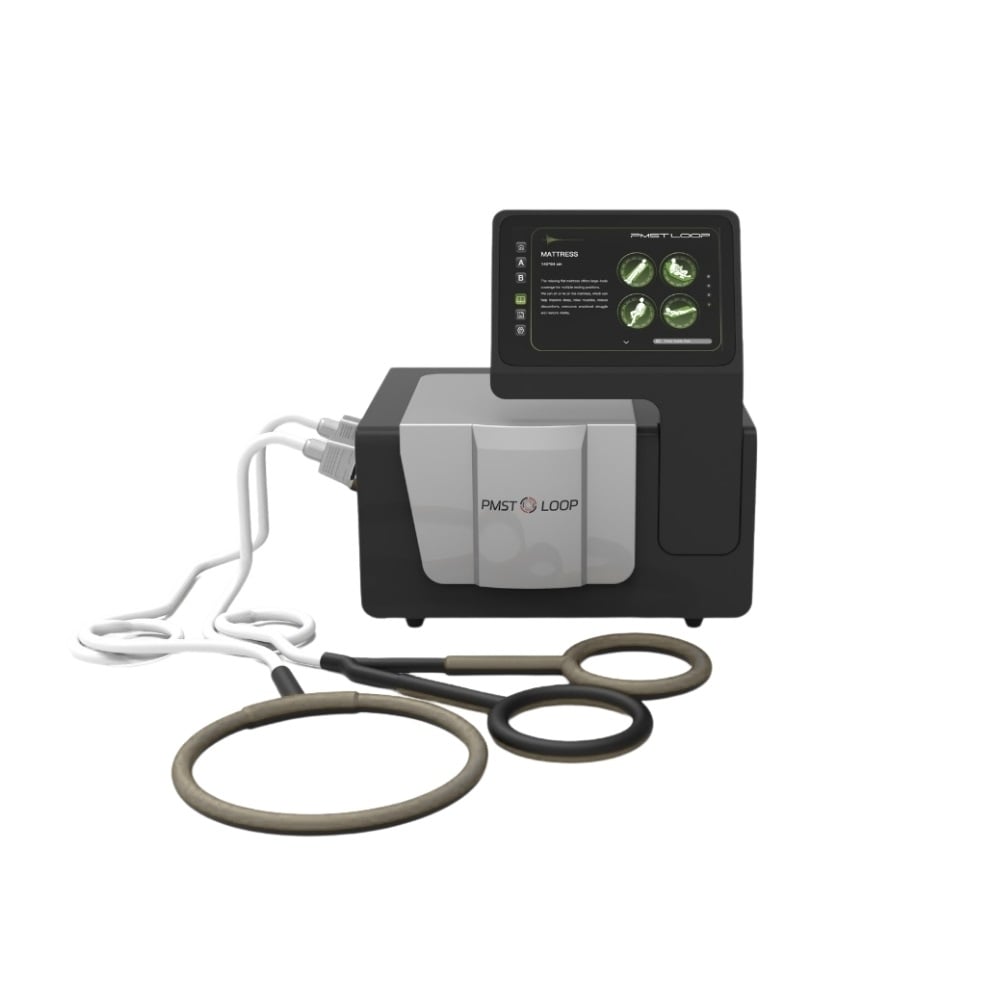
Full-body mats and local applicators both deliver pulsed electromagnetic field therapy, yet they organize treatment differently. Mats provide a broad treatment surface, while loops or other local applicators let staff position the field around a selected body region. Comparing pemf therapy equipment and a recovery therapy device means looking beyond the hardware to patient needs, protocols, and daily clinic workflow.
A full-body mat is designed to accommodate a patient across a large surface, which can make it useful when a clinic wants a consistent, broad-area setup. With a pemf therapy device configured for a mat, staff generally position the patient on or over the treatment surface and follow the selected protocol. This approach may simplify positioning for patients whose concerns involve several regions, but it does not mean every body area receives identical attention or that all treatment goals are interchangeable.
The clinic should assess the mat’s dimensions, patient access, cleaning process, and space requirements before incorporating it into routine care. A mat-based session may suit a calm, stationary appointment where broad coverage is appropriate, while transfer or mobility needs can affect setup time. When reviewing pulsed electromagnetic field therapy options, clinicians should confirm how controls and protocols are managed, and check that the intended use aligns with the device documentation.
Local applicators, including loop-style formats, concentrate setup around a selected region rather than asking the patient to lie across a large surface. This can help a clinician position a field in relation to a defined treatment area and adapt placement between appointments. A pemf therapy device with local applicators may be easier to fit into rooms where floor space is limited, although staff still need room to position the applicator and maintain safe, comfortable access.
Focused placement is not automatically faster or more effective; it depends on the protocol, patient, and staff familiarity. Local pemf therapy equipment often calls for clear positioning instructions so the treatment area is repeatable from one visit to the next. For pulsed electromagnetic field therapy, record the applicator used, placement, and session settings according to clinic policy. That documentation supports continuity and helps distinguish a deliberate targeted approach from an improvised setup.
A mat can create a predictable room layout when appointments use similar patient positions and broad coverage. Consider whether the patient can get on and off the surface comfortably, how staff will assist, and whether the setup conflicts with other equipment. A recovery therapy device should fit the appointment sequence rather than interrupt it; clinics may also compare how often a mat needs repositioning with how frequently individual applicators are moved and cleaned.
Local applicators can fit a workflow that requires targeted placement or varied body regions across the schedule. Staff need practical access to the treatment area, enough time to position the applicator, and a consistent way to confirm placement. When assessing a pemf therapy device, map the steps from room preparation through post-session cleaning. This reveals whether focused setup works smoothly for the clinic’s patient mix or adds avoidable handling between visits.
Patient comfort and mobility should shape the choice as much as coverage. Some patients may prefer a stable, broad surface; others may find a seated or locally positioned arrangement more practical. Ask how the patient will enter the treatment position, whether assistance is needed, and whether the planned duration is manageable. For a recovery therapy device, these details influence acceptance and reliable attendance, even when the technical setup appears straightforward.
Clinicians should connect the selected format to the documented treatment objective and the device’s instructions for use. A broad mat should not be chosen simply because it covers more area, and a local applicator should not be assumed to be suitable for every localized complaint. In pulsed electromagnetic field therapy, decisions should follow clinical judgment, contraindication screening, and applicable guidance. Keep patient-specific adjustments in the record so later sessions can reproduce or thoughtfully revise the approach.
Start by defining the appointments the clinic expects to provide: broad-area sessions, region-specific sessions, or a mixture. Then compare patient positioning, room footprint, cleaning requirements, staff training, and protocol flexibility. A pemf therapy device intended to serve different visit types may need multiple applicator options, but added versatility is useful only if the clinic can store, maintain, and use those options consistently.
Review technical documentation before purchase or deployment, including operating instructions, intended applications, safety guidance, and available controls. Ask how each applicator is connected and selected, and make sure staff understand the approved settings and placement process. When comparing pemf therapy equipment, weigh the full workflow rather than one headline feature. A recovery therapy device should be straightforward for trained staff to incorporate without bypassing screening or documentation procedures.
A controlled rollout helps reveal whether the chosen format works in real appointments. Train staff on patient positioning, equipment checks, cleaning, and session records before regular use. For a mat, rehearse access and transfer; for local applicators, practice reproducible placement. The clinic can then review setup time, patient comfort, and operational issues without treating early impressions as proof of clinical outcomes.
Set a review point after staff have used the system across appropriate appointment types. Consider whether protocols remain easy to follow, whether rooms are being prepared consistently, and whether patients can manage the required position. A recovery therapy device may need different applicator choices as the clinic’s service mix develops, but changes should be documented and supported by training. This process makes pulsed electromagnetic field therapy more manageable as a defined service rather than an ad hoc addition.
Neither format is universally better. A mat may fit broad positioning, while local applicators suit sessions organized around a selected region. Choose a pemf therapy device according to the treatment plan, patient access, room layout, and device instructions. The format alone does not establish clinical suitability.
A clinic may use both when its protocols and equipment support that approach and staff are trained for each setup. Confirm compatibility and intended use in the documentation. Good pemf therapy equipment management also requires clear storage, cleaning, and recordkeeping procedures for every applicator used in pulsed electromagnetic field therapy.
Staff should follow clinic screening and device instructions, verify patient positioning, and check the selected settings and applicator. Record the plan and any relevant adjustments. A recovery therapy device should be used within its documented indications and safety guidance, with questions about suitability referred to the responsible clinician.

