

 EN

high-energy-vs-low-energy-shockwave-machines-use-case-gaps, high-energy-vs-low-energy-shockwave-machines-use-case-gaps, /blog
EN
Choosing between high- and low-energy treatment is not simply a matter of selecting a stronger or gentler setting. A shockwave machine must match the intended target, clinical workflow, and patient presentation. Understanding where each approach fits helps a practice assess a shockwave device and plan treatments without assuming that one energy range suits every complaint.
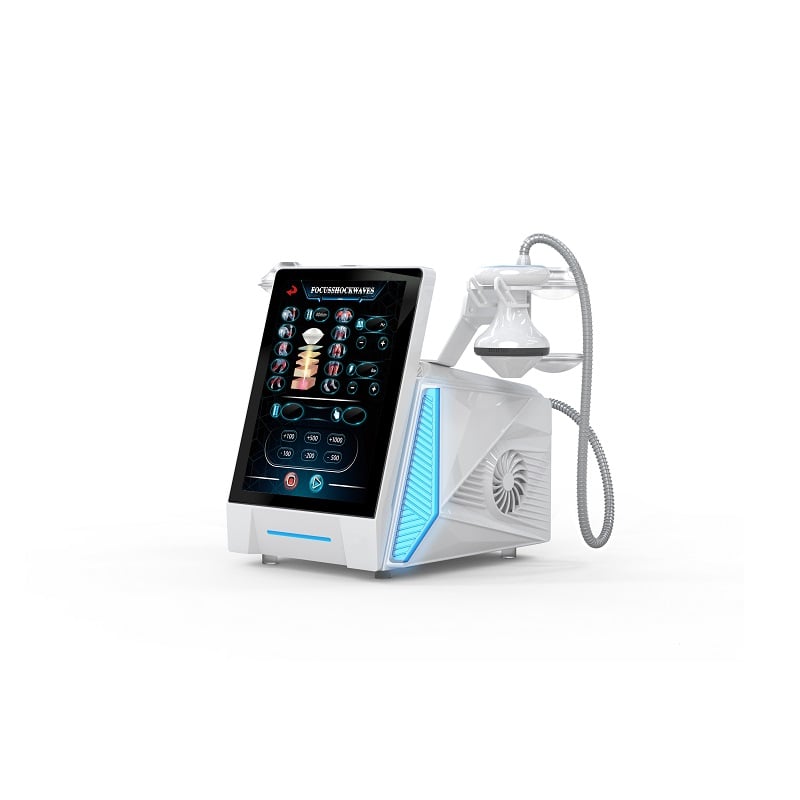
The main use-case gap is the balance between focused, deeper delivery and broader, more superficial application. A shockwave unit may offer one modality or several, so clinicians should examine its energy range, applicator options, and intended protocol rather than rely on a high-energy or low-energy label alone. In physiotherapy shockwave practice, those distinctions affect which cases are suitable, how the treatment is introduced, and when reassessment is needed.
A high-energy shockwave machine is generally considered when the treatment plan calls for energy to be concentrated at a defined target, including structures that may be deeper than the immediate skin surface. A shockwave device in this category can be relevant to selected chronic musculoskeletal presentations, but suitability depends on diagnosis, anatomy, and clinical assessment. The label does not establish that a treatment is appropriate by itself. Clinicians need to understand how the shockwave unit delivers energy, which applicator is being used, and how the manufacturer defines its operating parameters. In physiotherapy shockwave care, high energy therefore describes a possible treatment approach, not a universal prescription or a guarantee of a particular outcome.
A low-energy shockwave machine may better fit a plan that calls for a less intense application or a more gradual introduction to treatment. The shockwave device may be used for selected superficial or localized complaints, with the clinician setting expectations and monitoring the patient response. A shockwave unit operating at lower energy is not automatically suitable for every sensitive patient, and low energy does not mean that assessment can be skipped. In physiotherapy shockwave settings, comfort, treatment area, and response over time help guide whether the approach is appropriate. The useful distinction is the intended target and dose, rather than an assumption that lower energy is inherently safer or more effective.
The clearest gap appears when a clinician has a defined, deeper target but only a broad low-energy option, or when a sensitive superficial area is approached with a modality that is difficult to tailor. A shockwave machine should be evaluated against the cases the practice actually sees, including the body region, chronicity, and treatment objective. A shockwave device with focused delivery may suit one clinical question, while a different shockwave unit may be intended for radial or more dispersed delivery. These are not interchangeable descriptions. Physiotherapy shockwave decisions should connect the assessment to the delivery method and explain why that method fits the individual case.
Energy level also affects how a treatment is introduced, titrated, and documented. A shockwave machine should allow the clinician to work within the applicable protocol and adjust treatment in response to patient tolerance, rather than encourage escalation for its own sake. Before choosing a shockwave device, consider who will operate it, how applicators are changed, and whether staff can follow a consistent screening and follow-up process. The shockwave unit must fit the clinic’s appointment flow as well as its treatment goals. In physiotherapy shockwave care, clear communication about sensations and review points helps patients understand the process without implying a guaranteed result.
Compare the available energy range, delivery type, applicators, controls, and published indications against the intended caseload. A shockwave machine specification should be clear enough for staff to distinguish energy settings from treatment modality and to understand any operating limits. Ask what a shockwave device can deliver at the treatment head, how settings are recorded, and whether its design supports the planned target. A shockwave unit should also come with usable instructions and maintenance guidance. For physiotherapy shockwave services, align device capabilities with staff training and local clinical requirements instead of inferring capability from product naming or appearance.
A sound decision starts with a defined use case, not a preference for the highest available output. Map the conditions the clinic intends to assess, identify the likely treatment depth and patient considerations, then confirm that the shockwave machine supports the corresponding approach. Check whether a shockwave device offers the adjustment range needed for the planned workflow and whether the shockwave unit can be used consistently by trained staff. Include space, cleaning, service access, and recordkeeping in the review. Physiotherapy shockwave should remain part of an individualized care plan, with reassessment guiding continuation, modification, or referral when progress or tolerance raises concerns.
Not necessarily. Delivery depends on the modality, applicator, device design, and treatment settings. Evaluate the shockwave machine specifications and clinical guidance rather than treating the energy label as proof of depth.
Some systems provide a range of settings or delivery options, while others are designed for a narrower purpose. Confirm the shockwave device and shockwave unit capabilities against the intended treatment protocols before planning a service.
Base the decision on clinical assessment, the target, patient tolerance, and the applicable protocol. In physiotherapy shockwave practice, monitor response and reassess rather than choosing intensity from the diagnosis name alone.

