

 EN

high-frequency-vs-low-frequency-pemf-therapy-use-case-differences, high-frequency-vs-low-frequency-pemf-therapy-use-case-differences, /blog
EN
High- and low-frequency PEMF therapy differ in the pulse rates used, but frequency alone does not determine what a treatment can do. A pemf therapy device should be evaluated in relation to its full protocol, intended setting, and the outcome being considered. Understanding these distinctions helps clinics and buyers assess use cases without assuming one frequency is universally better.
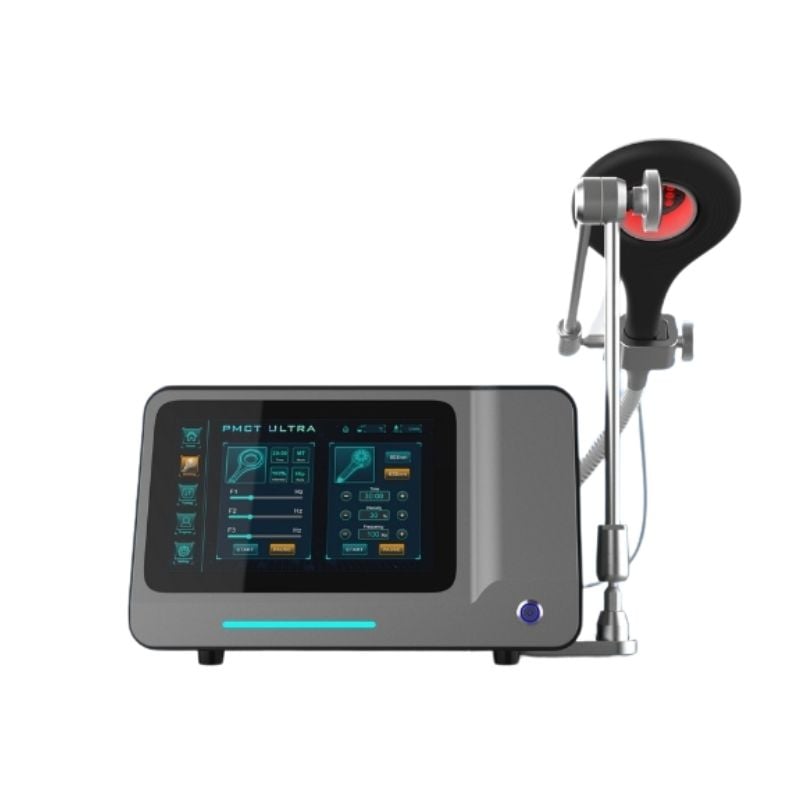
The practical comparison is about fit: lower-frequency protocols are often discussed for broad, comfortable sessions, while higher-frequency protocols may be selected for more specific treatment approaches. Both pulsed electromagnetic field therapy and pemf therapy equipment vary in waveform, intensity, applicator design, and session settings. These details matter when considering a recovery therapy device for a professional environment.
Frequency describes how often pulses are delivered, commonly expressed in hertz. A low-frequency setting delivers fewer pulses per second than a high-frequency setting, but that difference does not by itself establish a clinical advantage. When comparing pulsed electromagnetic field therapy systems, buyers should also examine pulse duration, field intensity, waveform, and how settings can be adjusted.
A pemf therapy device may offer a broad range of settings, or it may be designed around a narrower protocol. The intended use should guide the comparison rather than a high-versus-low label alone. PEMF therapy equipment with similar frequency ranges can still provide different treatment experiences because applicator placement, output characteristics, and session controls influence how a protocol is delivered.
Low-frequency approaches are commonly considered when a provider wants to use a measured, repeatable session within a conservative care plan. That does not mean every low-frequency program is gentle or suitable for every person; intensity and exposure time still matter. A recovery therapy device should make its output and recommended operating procedure clear so staff can follow a consistent protocol.
Higher-frequency options may suit programs that call for a different pulse pattern or a more targeted operating approach. The term high frequency is not a complete specification, however. For pulsed electromagnetic field therapy, a useful comparison includes the available range and the precise settings, not just a headline frequency. This helps prevent assumptions that a higher number automatically means stronger or more effective care.
A lower-frequency protocol may be considered in settings where providers value a straightforward session that can be incorporated into a broader recovery plan. For example, a clinic may assess whether the session fits its appointment length, staff workflow, and client comfort requirements. The choice of a pemf therapy device should follow those operational needs and the provider’s scope of practice.
In a rehabilitation or wellness environment, the recovery therapy device is one part of a larger service, not a substitute for assessment or individualized care. Staff should understand who may be appropriate for a protocol, who requires additional screening, and how progress will be reviewed. Low frequency can be a practical option when its specific program aligns with those requirements.
A higher-frequency option may be relevant when a clinician or facility is evaluating a distinct pulse pattern for a defined service. Before adoption, teams should confirm that the settings, applicators, and instructions match the intended use. PEMF therapy equipment should support the actual workflow rather than being selected only because its maximum frequency appears higher than another unit’s.
When pulsed electromagnetic field therapy is included alongside other modalities, compatibility of the schedule and treatment goals deserves attention. A higher-frequency protocol may require staff training and clear documentation just as a low-frequency program does. Buyers should review available evidence for the specific application and avoid extending results from one setting or device configuration to another.
Start by defining the population, setting, and intended role of treatment. Then compare the device’s frequency range, adjustable intensity, waveform information, applicators, and session controls. A pemf therapy device should provide enough technical detail for a qualified professional to determine whether its operating range supports the planned protocol, including any relevant safety screening or contraindications.
For a facility, practical considerations also include setup time, cleaning, staff training, maintenance guidance, and the clarity of operating instructions. PEMF therapy equipment that is simple to document can help teams deliver sessions consistently, but ease of use does not replace appropriate training. Confirm that the recovery therapy device can be incorporated into existing records and review procedures.
Compare evidence for the specific condition or service being considered, rather than relying on broad claims about frequency. Ask what outcomes were measured, which settings were used, and whether the study population resembles the people served by the facility. This context is essential when evaluating pulsed electromagnetic field therapy because results from one protocol may not apply to another.
A well-grounded decision weighs clinical rationale, operating limits, staff capability, and client needs together. Review whether the pemf therapy device allows the required settings and whether its instructions support safe, repeatable use. The most suitable choice is the one that fits the documented application and operating environment, not necessarily the one with the highest frequency or the broadest list of modes.
No. Frequency is only one protocol variable, and a higher pulse rate does not automatically mean greater intensity or better results. A pemf therapy device should be assessed by its full output specifications and intended use.
There is no universal answer. The appropriate setting depends on the service, professional guidance, and available evidence. A recovery therapy device should match the planned protocol, while pulsed electromagnetic field therapy settings should be reviewed in context.
Review frequency and intensity controls, applicators, operating instructions, training needs, and maintenance requirements. Confirm that pemf therapy equipment supports the intended workflow and that the specific application is appropriate for the people receiving care.

