

 EN

how-applicator-contact-pressure-shapes-cryolipolysis-results, how-applicator-contact-pressure-shapes-cryolipolysis-results, /blog
EN
Applicator contact pressure shapes cryolipolysis results by influencing how securely tissue enters the cooling cup and how consistently the treatment area meets the applicator. Pressure is not simply a matter of tightening the cup: it must support stable tissue capture without creating avoidable discomfort. For teams assessing a cryolipolysis system, understanding that balance helps make treatment planning more deliberate.
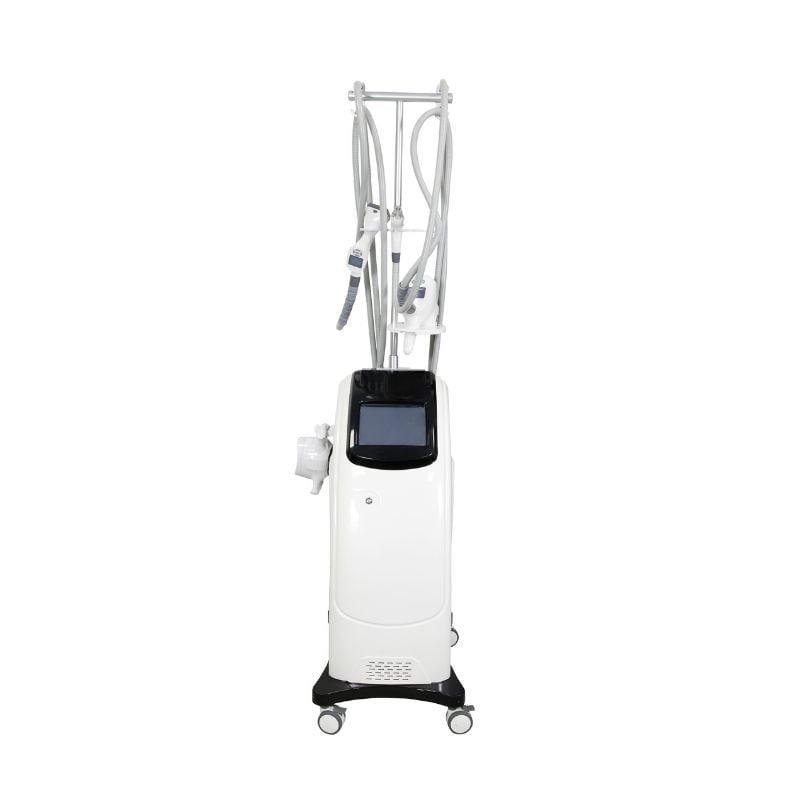
In practice, pressure affects the seal, tissue positioning, and the operator’s ability to maintain a repeatable protocol. A cryolipolysis machine may use vacuum-assisted applicators, but device settings and patient anatomy both matter. Reviewing the fat freezing device instructions, the intended cryolipolysis treatment protocol, and the role of body contouring equipment gives practitioners a grounded way to evaluate contact rather than relying on a single setting.
A secure applicator seal allows suction to draw a selected tissue fold into the cup. If contact is incomplete, air leakage or shifting can interrupt the intended capture and make consistent placement harder. The cryolipolysis machine should be operated according to its instructions, with attention to fit and seal rather than an assumption that stronger suction is always preferable. In a cryolipolysis treatment, controlled capture is the practical goal.
A fat freezing device is only one part of the process; the operator also needs to assess whether the treatment area fits the applicator and whether the surrounding skin remains comfortable. Too little contact may leave the applicator unstable, while excessive force can increase discomfort or make positioning difficult. Body contouring equipment should support a measured setup that can be repeated, not encourage pressure that overrides individual anatomy.
Patient feedback helps identify whether the pressure feels tolerable during positioning and early suction. Explain the expected sensations, confirm that the patient can communicate discomfort, and follow the device’s safety guidance. A cryolipolysis machine does not replace clinical judgment, and operators should not increase vacuum simply to make tissue enter the cup faster. The cryolipolysis treatment should proceed only within the approved protocol and the patient’s agreed comfort limits.
Fit can vary with the contour, firmness, and mobility of the treatment area. A fat freezing device may have different applicator shapes or cup sizes, so selecting an appropriate option can matter more than applying extra force. When body contouring equipment is matched to the area, the operator can focus on a stable seal and careful positioning. This approach makes contact pressure a controlled part of setup rather than a proxy for treatment intensity.
Once an applicator is in place, consistent contact helps limit movement that could alter the treated footprint. Check that tubing and cables do not pull on the applicator, and follow the manufacturer’s instructions for monitoring. A cryolipolysis treatment should not be adjusted casually to compensate for a poor initial fit. The cryolipolysis machine settings, applicator position, and patient posture work together to support a stable session.
A fat freezing device can feel secure at the start yet shift as the patient relaxes or changes posture. Operators should explain how to remain positioned and keep observation procedures clear. Body contouring equipment should be used in a way that allows the treatment area to remain accessible for appropriate checks. Pressure that is adequate at placement is not a reason to skip monitoring; it is one element of an attentive workflow.
Unexpected loss of suction, repeated movement, or escalating discomfort are reasons to pause and reassess according to the device protocol. Do not respond by automatically increasing pressure. The operator should check fit, positioning, patient communication, and any relevant device alert. During cryolipolysis treatment, documented steps make it easier for staff to distinguish a placement issue from a normal sensation or a condition requiring clinical attention.
The cryolipolysis machine manual defines appropriate operating limits, while clinic procedures should clarify who can make adjustments and when a session must stop. Record the applicator used, treatment area, relevant settings, and any repositioning. This gives the team a useful basis for reviewing consistency across sessions. Body contouring equipment performs within a clinical workflow; pressure alone cannot account for every difference in comfort or outcome.
Before treatment, assess whether the intended tissue can be comfortably captured with the available applicator. Consider the area’s contour, the patient’s position, and whether the cup can seal without forcing the tissue. A cryolipolysis treatment plan should respect device indications and practitioner training. The cryolipolysis machine is not a substitute for suitability assessment, and pressure cannot make an unsuitable area appropriate for treatment.
Review the fat freezing device specifications alongside the patient’s goals and relevant clinical considerations. Select the applicator and position that support a stable, tolerable fit, then explain what the patient should report during the session. Body contouring equipment may offer multiple configurations, but the right choice depends on the treatment area and approved use. A thoughtful match reduces the temptation to correct poor fit by applying excessive force.
A consistent workflow begins with confirming patient suitability, inspecting the applicator, positioning the patient, and checking the seal before treatment proceeds. Staff should use the same documented criteria for contact and follow the device-specific instructions. A cryolipolysis machine may differ in controls and applicator design, so a generic pressure target is not a replacement for training. These steps help make each cryolipolysis treatment more orderly and reviewable.
After the session, document comfort feedback, any interruptions, and changes made to positioning. This information can inform future planning without implying that pressure alone determines results. Body contouring equipment should be evaluated as part of the whole service process, including staff competence, maintenance, and patient communication. A fat freezing device is most responsibly used when operators understand its limits and can explain why a particular setup suits the treatment area.
No. The aim is a stable, appropriate seal and controlled tissue capture, not maximum pressure. A cryolipolysis machine should be used within its instructions, and comfort and fit should guide setup. A fat freezing device cannot make excessive force appropriate, and the cryolipolysis treatment protocol takes priority.
Check that the treatment area fits the selected applicator, the seal remains stable, and the patient can tolerate positioning. Body contouring equipment should be selected according to its intended use. Reassess fit if discomfort rises or the applicator shifts, and follow the cryolipolysis treatment guidance rather than compensating with added force.
Pause and follow the device protocol to check the seal, fit, and patient comfort. A cryolipolysis machine should not be adjusted beyond approved limits. Document the event and any repositioning; review the fat freezing device instructions and clinic workflow if the issue recurs. Assess body contouring equipment setup before the next session, and make sure staff use a consistent cryolipolysis treatment process.

