

 EN

how-compressed-air-drives-radial-shockwave-machines-in-clinics, how-compressed-air-drives-radial-shockwave-machines-in-clinics, /blog
EN
A radial shockwave system depends on compressed air to create pulses that a clinician applies through a handpiece. Understanding how a shockwave therapy machine converts air pressure into mechanical energy helps clinic teams prepare equipment, explain treatment, and recognize the practical factors that affect a session.
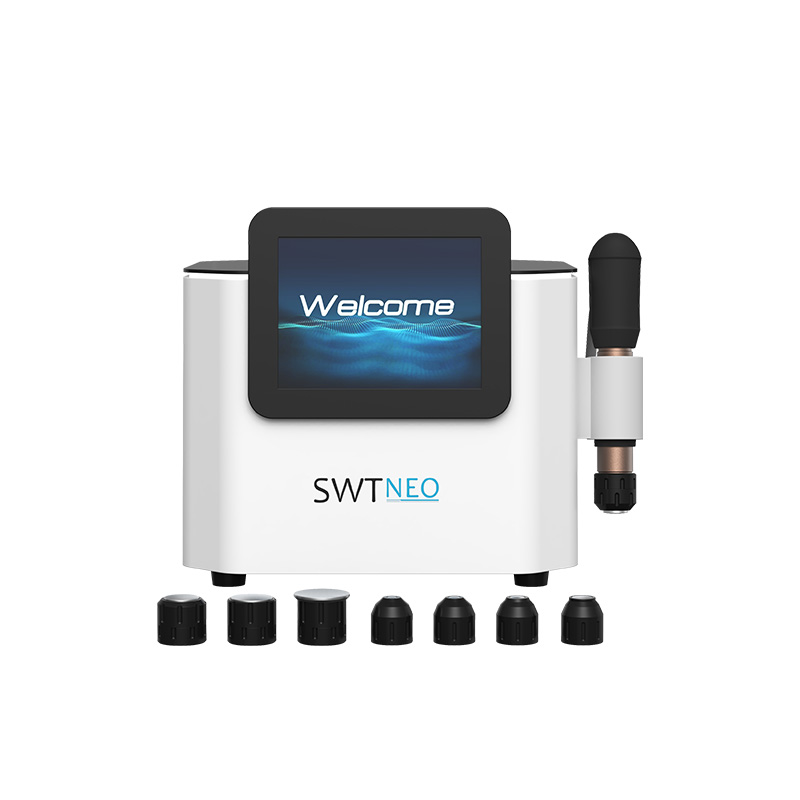
In a pneumatic design, compressed air accelerates a projectile inside the applicator, which strikes a transmitter to generate a radial pressure wave. This is one way extracorporeal shockwave therapy is delivered. The radial shockwave device, its air supply, and the clinician’s technique work together, so understanding the mechanics is relevant to musculoskeletal therapy and everyday clinic workflow.
A compressor or integrated pressure system supplies air to the handpiece at a controlled level. Inside, the air drives a small projectile forward; when it reaches the applicator’s transmitter, the impact creates a pressure pulse that travels outward into tissue. In a shockwave therapy machine, this pneumatic sequence turns a controllable air input into a repeatable mechanical event.
The clinician selects operating settings according to the device instructions and the treatment plan. Pressure and pulse frequency influence how the session feels and how quickly pulses are delivered, but they are not substitutes for clinical judgment. During extracorporeal shockwave therapy, the operator also positions the applicator and maintains contact, coordinating the equipment’s output with the intended treatment area.
The transmitter determines how impact energy is introduced at the skin surface, while the contact interface helps transfer the pulse. A radial shockwave device generally delivers energy from the applicator outward, with characteristics that differ from focused systems. For musculoskeletal therapy, this distinction helps clinicians match the equipment type and applicator to the clinical purpose rather than assuming every shockwave approach behaves alike.
Air pressure alone does not define the delivered treatment. The projectile, transmitter, applicator contact, selected settings, and movement across the target region all contribute to the session. A shockwave therapy machine therefore requires a coordinated setup, not merely an air source. Knowing these elements helps staff troubleshoot inconsistent feel or interrupted operation without making unsupported conclusions about treatment outcomes.
Before a session, staff should confirm that the unit is connected to the specified power and air supply, that hoses and fittings are secure, and that the handpiece is assembled as directed. A shockwave therapy machine should be checked for visible wear, correct accessories, and clear operating controls. These routine checks support reliable use and help identify issues before a patient is positioned.
The clinic should follow the device manual for pressure limits, startup, and any required warm-up or inspection steps. In extracorporeal shockwave therapy, a stable supply matters because interruptions can affect operation and session flow. Staff should know how to pause the system safely, inspect connections, and escalate a persistent fault instead of compensating with unapproved adjustments.
Once the treatment plan is confirmed, the clinician positions the patient comfortably, prepares the contact area as directed, and places the applicator with suitable coupling. The radial shockwave device is then used at settings selected for the patient and protocol. Controlled movement and consistent contact make the delivery process easier to monitor during musculoskeletal therapy.
Communication is part of the workflow. Explain that the pneumatic mechanism produces repeated impacts and ask the patient to report discomfort that feels excessive or unexpected. The clinician can pause and reassess positioning or settings within professional guidance. Keeping the shockwave therapy machine controls accessible and recording relevant settings also supports clear handoffs and consistent documentation across visits.
A pneumatic system relies on maintained components, clean contact surfaces, and proper handling of the handpiece. Follow the manufacturer’s service schedule and clinic procedures for inspection, cleaning, and replacement of wear parts. For extracorporeal shockwave therapy, recording service concerns and air-supply irregularities gives staff useful context when evaluating an operational change.
Training should cover more than turning on the unit. Staff need to understand the air-to-impact sequence, approved operating ranges, applicator handling, and the clinic’s response to a fault. When a radial shockwave device behaves differently than expected, checking the setup and documenting symptoms is more useful than assuming the patient or treatment area is the cause.
A clinic evaluating a pneumatic platform should consider its intended caseload, available space, air requirements, accessories, and staff familiarity. The shockwave therapy machine should fit the clinic’s protocols and practical workflow. For musculoskeletal therapy, the selected system must also support the clinician’s planned application, while patient assessment and treatment decisions remain within qualified professional practice.
Clear patient explanations help set realistic expectations. Describe the applicator, the sensation of repeated pulses, and the possibility that the clinician may adjust the session based on tolerance and protocol. During extracorporeal shockwave therapy, maintain attention to patient feedback and equipment operation together. A radial shockwave device is a tool within a broader care process, not a replacement for assessment.
Compressed air drives the projectile in the handpiece, and its impact on the transmitter generates the pulse. In a shockwave therapy machine, this pneumatic mechanism creates the radial output used during extracorporeal shockwave therapy. Exact supply requirements and settings depend on the specific device and its instructions.
No. The setting is one part of delivery, alongside the applicator, contact, placement, movement, and clinical protocol. A radial shockwave device must be operated by a trained clinician who considers patient response and the aims of musculoskeletal therapy rather than relying on one setting alone.
Check connections, hoses, handpiece condition, accessories, and controls according to the manual and clinic procedure. Confirm that the shockwave therapy machine is ready for the planned session, and document or report any unusual operation. These steps support a controlled workflow for extracorporeal shockwave therapy and routine patient care.

