

 EN

how-cutoff-filters-shape-target-selection-in-ipl-treatments, how-cutoff-filters-shape-target-selection-in-ipl-treatments, /blog
EN
Cut-off filters shape target selection by controlling which wavelengths reach the skin during an IPL treatment. In an ipl machine, the selected filter narrows the emitted spectrum so the practitioner can align light delivery with a chosen chromophore, such as melanin or hemoglobin. That choice influences both treatment purpose and planning.
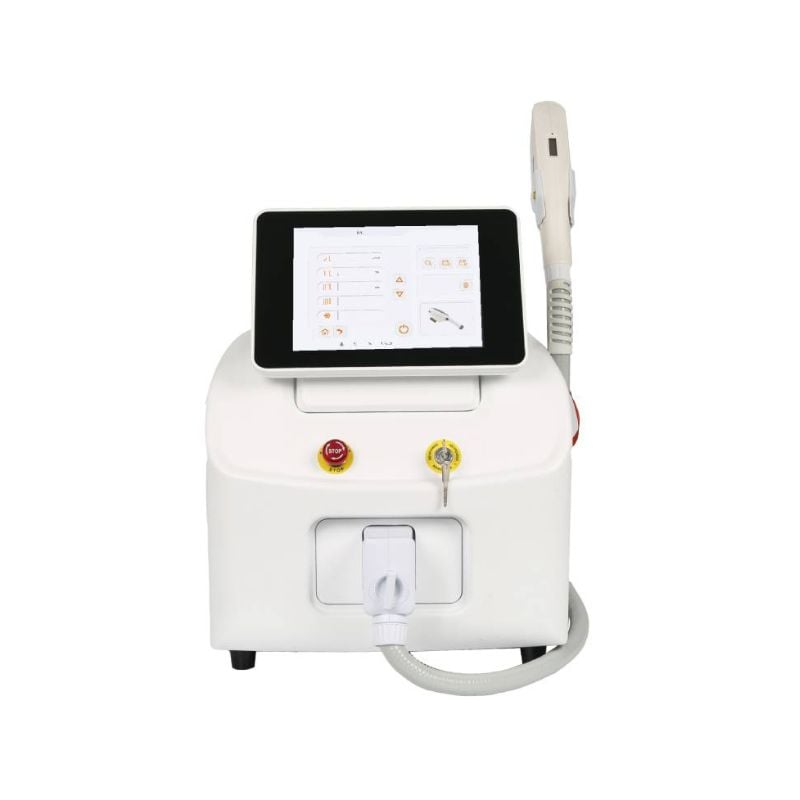
The filter does not identify a target by itself; it changes the wavelengths available for absorption, while assessment and settings determine how treatment is applied. Understanding that distinction helps teams use an intense pulsed light device with more deliberate protocols. It also clarifies why a skin rejuvenation device or photorejuvenation equipment may use different filter options for different concerns.
A cut-off filter blocks wavelengths below a specified threshold and passes a longer wavelength band. In an IPL system, that shift changes how energy interacts with skin structures because chromophores absorb different wavelengths to varying degrees. An intense pulsed light device therefore relies on filter selection to shape the usable treatment window, while photorejuvenation equipment still requires an assessment of the intended target and the client’s skin characteristics.
For a pigment-focused protocol, melanin is a principal target, while vascular work aims to affect hemoglobin. A filter choice can influence how selectively an intense pulsed light device addresses these targets, but it does not guarantee a particular response. Practitioners must consider skin tone, the appearance and location of the concern, and the overall treatment plan before choosing settings for a skin rejuvenation device.
Longer wavelength bands generally reach deeper than shorter bands, while shorter wavelengths may interact more strongly with superficial pigment. This broad principle helps explain why an ipl machine offers filters for different applications rather than one universal option. Photorejuvenation equipment should be selected and configured with the target depth and surrounding tissue in mind, not simply by choosing the highest available cut-off.
A filter that passes a longer band may reduce some superficial melanin interaction, yet clinical suitability depends on the complete protocol and individual assessment. Operators should follow device instructions, confirm appropriate settings, and account for relevant contraindications. When using a skin rejuvenation device, the filter is one control within a broader system that includes pulse parameters, cooling, contact technique, and practitioner judgment.
Begin by defining the concern the session is intended to address, then identify the chromophore associated with it. An ipl machine filter should support that target while remaining appropriate for the person being treated. For example, pigment and visible vascular concerns call for different reasoning; an intense pulsed light device cannot make that distinction on the operator’s behalf. Clear treatment goals keep filter selection purposeful.
The same principle applies when a service is described as photorejuvenation. The term can cover several appearance concerns, so photorejuvenation equipment should not be assigned a filter based only on a broad service label. Practitioners need to examine the concern, its distribution, skin characteristics, and device guidance. An ipl machine is most useful when the selected wavelength band is connected to a defined treatment objective.
Assessment refines the initial target decision. Skin tone and tanning history matter because epidermal melanin can also absorb light, affecting the margin for safe treatment. An intense pulsed light device should be used within the manufacturer’s directions and the practitioner’s training. With an ipl machine, a suitable filter alone does not establish readiness; the whole case must be reviewed before exposure.
The practitioner should also consider the contrast between the target and surrounding skin, the target’s depth, and any prior response to light-based treatment. These details help determine whether a planned wavelength range is suitable or whether another approach is warranted. Photorejuvenation equipment does not replace careful screening, and an intense pulsed light device should not be used to treat a concern that has not been appropriately assessed.
Filter choice is a starting point for a protocol, not a complete protocol. After selecting a wavelength range, practitioners must set other parameters according to device instructions and the client assessment. A skin rejuvenation device may offer pulse duration, energy, and cooling adjustments, but those controls interact. Photorejuvenation equipment should therefore be operated as an integrated system rather than as a filter menu with isolated options.
Before a session, confirm that the installed filter matches the planned application and that the equipment is maintained and functioning as intended. An ipl machine workflow should include client screening, eye protection, skin preparation, and clear documentation of settings. An intense pulsed light device also requires consistent technique, since contact, placement, and treatment overlap can affect delivery independently of the selected wavelength band.
After treatment, document the filter and relevant parameters alongside the assessment and observed response. This record lets practitioners review whether the target selection and protocol were appropriate, rather than relying on memory. For photorejuvenation equipment, consistent records support a more disciplined review of sessions and help identify when a plan needs adjustment, additional assessment, or referral instead of repeating the same settings.
Filter selection should remain conservative when the target is uncertain or client factors increase risk. An ipl machine can offer several wavelength options, but having options does not mean every concern is suitable for IPL. Practitioners should pause when screening raises questions, follow local professional requirements, and explain realistic expectations. A skin rejuvenation device is part of a clinical workflow whose safety depends on training, judgment, and appropriate case selection.
It blocks wavelengths below a defined threshold and passes a longer band, shaping which chromophores may absorb light. An ipl machine still needs appropriate assessment and settings; the filter alone does not determine a treatment outcome.
No. An intense pulsed light device may use different filter ranges for different targets, and suitability depends on the concern, skin characteristics, and protocol. Photorejuvenation equipment should be configured for an assessed purpose, not treated as a one-filter solution.
Start with the intended target, then consider skin tone, target depth, device guidance, and relevant contraindications. A skin rejuvenation device should be used by a trained practitioner who can verify that the filter and complete protocol suit the client.

