

 EN

how-duty-cycle-limits-protect-components-in-shockwave-machines, how-duty-cycle-limits-protect-components-in-shockwave-machines, /blog
EN
A duty cycle limit defines how long a shockwave machine can deliver energy before it needs a pause or reduced activity. This operating boundary helps control heat and mechanical stress, protecting internal components during repeated treatments. Understanding the limit lets clinical teams plan sessions around the equipment’s real operating needs rather than assuming it can run continuously.
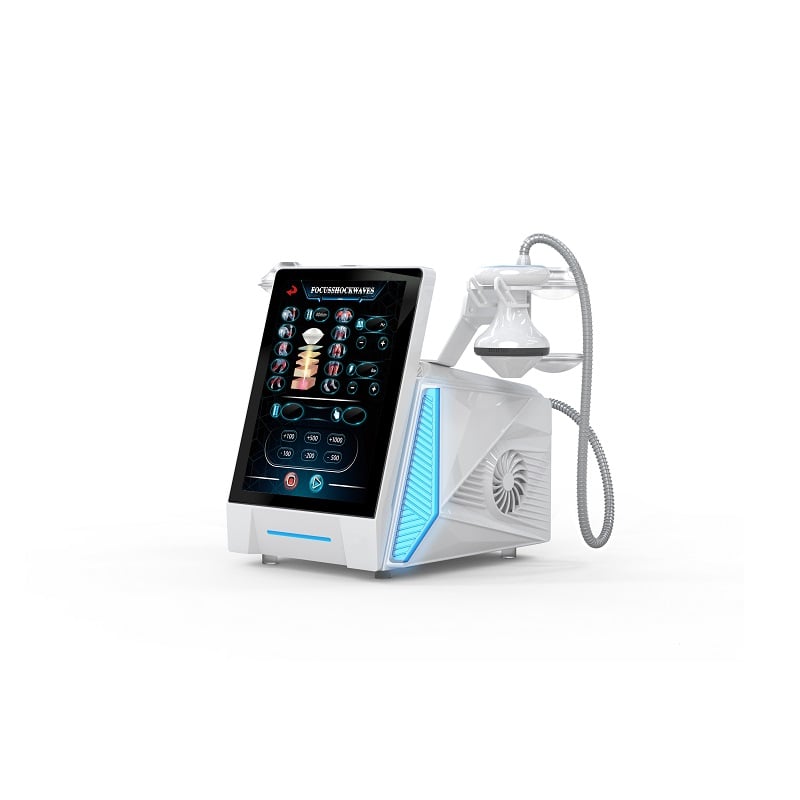
In practice, duty cycle is not simply a timer that interrupts care. It is a safeguard shaped by the device design, energy settings, pulse frequency, and ambient conditions. For a shockwave unit used in physiotherapy shockwave treatments, knowing how the limit works helps staff pace appointments, respond to warnings, and keep operation within the conditions specified by the equipment maker.
Each treatment pulse requires energy, and repeated operation can create heat in power electronics, the applicator, and other assemblies. A shockwave machine duty cycle sets a workable balance between active output and recovery time. Without enough recovery, heat may accumulate faster than it can dissipate, increasing stress on components and potentially affecting stable operation.
A shockwave device may use sensors, software controls, or operating instructions to manage this risk, depending on its design. The limit is not proof that every component is overheating; it is a preventive boundary based on expected operating conditions. Allowing a prescribed pause gives heat time to disperse and helps the shockwave unit return to a suitable starting condition before the next treatment.
Thermal load is only one concern. Repeated pulses also place demand on electrical circuits and energy-generating parts, while the applicator and connections experience use-related mechanical stress. A shockwave machine duty cycle helps prevent extended, uninterrupted demand from becoming the normal operating pattern. This matters when a clinic schedules several patients in sequence.
For physiotherapy shockwave work, a limit also encourages staff to follow a consistent operating routine instead of increasing output or shortening rest periods to catch up. A shockwave device operated within its stated limits is less likely to encounter avoidable stress associated with excessive use. Duty cycle does not eliminate ordinary wear, but it helps keep usage aligned with the conditions considered in equipment design.
The practical duty cycle depends on more than the time the system is switched on. Energy level, pulse frequency, treatment duration, and the number of applications can all shape the workload. A shockwave unit delivering pulses at a higher frequency may reach its operating boundary sooner than one used intermittently, so staff should consult the instructions for the specific model.
During physiotherapy shockwave sessions, clinicians choose settings for the treatment plan, not to bypass a protective limit. A shockwave machine may need a pause even when each individual patient session seems brief, because the relevant measure can include cumulative activity. The device display, timer, or operating guidance should be treated as the authority for when to stop and when it is appropriate to resume.
Appointment planning can make compliance straightforward. Staff can leave recovery intervals where the manufacturer requires them, use breaks for room turnover, and avoid assigning uninterrupted sessions that exceed the stated duty cycle. A shockwave device should not be left producing output simply because a room is available; planned pauses are part of responsible use.
Clinics can also record operating interruptions and recurring thermal warnings. If a shockwave unit repeatedly reaches its limit earlier than expected, review the settings, session pattern, ventilation, and ambient temperature before changing the schedule. In physiotherapy shockwave services, this simple review can distinguish normal recovery behavior from a possible maintenance concern without encouraging staff to defeat the safeguard.
When a warning appears or output stops, pause treatment and follow the model-specific instructions. Do not restart repeatedly, bypass a lockout, or assume the system is malfunctioning because it requires a cooling interval. A shockwave machine may be protecting itself as intended. Record the message and the operating circumstances if the interruption recurs.
A shockwave unit should be used in a suitable environment with clear ventilation around the equipment, as directed by its documentation. Dust, obstructed vents, unusually warm rooms, or unsuitable power conditions may affect operation. These checks do not replace the stated duty cycle, but they help ensure a shockwave device can dissipate heat and work under expected conditions.
A useful routine combines operator training, basic inspection, and service according to the equipment schedule. Staff should know the allowed operating pattern, how to recognize warnings, and which actions require technical support. For a shockwave machine, noting treatment settings and pauses can make a later service assessment more informative than relying on memory alone.
If performance changes, alarms become frequent, or the equipment fails to recover as described, stop using it and seek qualified guidance. Physiotherapy shockwave teams should not compensate for unusual behavior by lowering rest time or repeating starts. Maintaining a shockwave unit within its limits supports predictable workflow and helps protect components, while inspection addresses wear that duty cycle management cannot prevent.
No. A limit is a normal operating safeguard, not automatically a fault. A shockwave device may require recovery after a busy period. Follow the instructions, and seek service if interruptions are unusually frequent or differ from the documented behavior.
Staff should not shorten required pauses or override warnings. The shockwave unit’s instructions determine the appropriate recovery interval. Plan appointments around that guidance, even when patient demand makes continuous operation seem convenient.
Stop output, note the warning, and allow the prescribed recovery period before resuming. For a shockwave machine, repeated early interruptions merit a review of settings, ventilation, and use patterns. Contact qualified service support if the issue persists.

