

 EN

how-duty-cycle-settings-shape-pemf-therapy-device-performance, how-duty-cycle-settings-shape-pemf-therapy-device-performance, /blog
EN
Duty cycle settings determine how long a PEMF therapy device delivers pulses relative to how long it pauses. That on-and-off pattern shapes operating rhythm, session planning, and the demands placed on the equipment. Understanding the setting helps operators match treatment delivery to the device’s intended use instead of assuming that a higher duty cycle always means better performance.
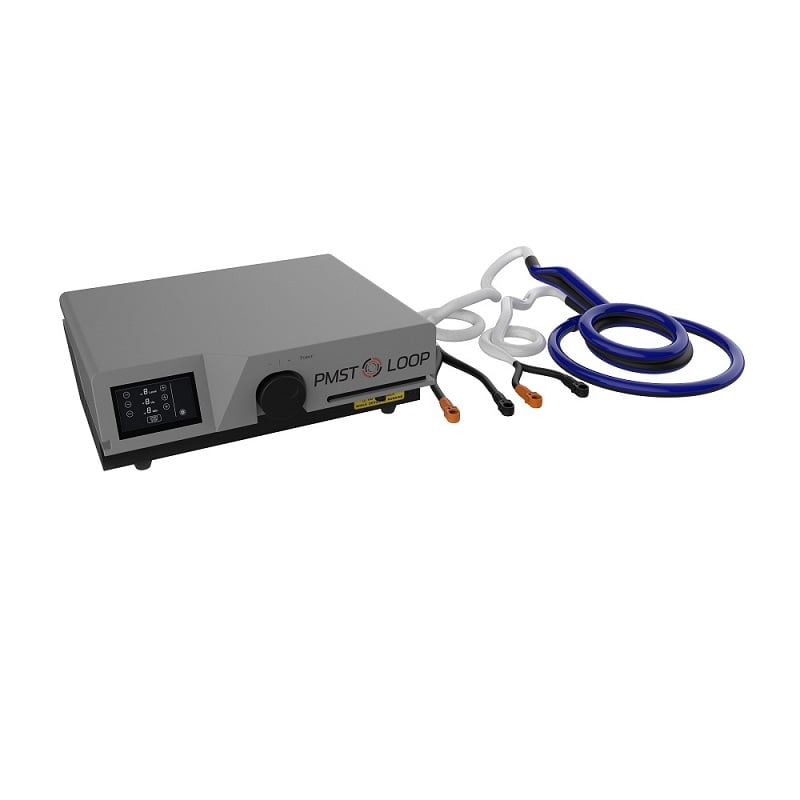
For clinics and other professional settings, duty cycle matters alongside frequency, intensity, applicator design, and session duration. A useful assessment of pulsed electromagnetic field therapy considers the whole operating sequence, not one setting in isolation. This guide explains how duty cycle affects performance, what to check during setup, and how to apply the concept when choosing or using PEMF therapy equipment as a recovery therapy device.
Duty cycle is the proportion of a repeating cycle during which a signal is active. If a pulse train is active for one part of a cycle and inactive for the remainder, the setting describes that relationship as a percentage. On a pemf therapy device, the exact meaning depends on how its controls define the pulse pattern, so consult the operating documentation before interpreting a displayed value.
This distinction matters because duty cycle is not the same as frequency or treatment time. Frequency describes how often pulses repeat, while session duration describes the total time an application runs. A PEMF therapy device may have a particular frequency and session length while its duty cycle separately controls the active-to-rest pattern. For pulsed electromagnetic field therapy, these settings work together but answer different operational questions.
A longer active interval means the field is delivered for more of each cycle; a longer pause reduces that proportion. This affects the timing and continuity of pulsed electromagnetic field therapy, but it does not automatically establish a stronger or more appropriate treatment. Operators should interpret the setting within the device’s specified operating range and intended protocol.
The timing pattern can also influence how an application is managed. A pemf therapy device used with a loop applicator, for example, has both electronic settings and a physical setup to consider. Staff should verify the selected duty cycle, confirm that the applicator is correctly positioned, and follow the prescribed session parameters. This is more useful than judging performance from a single percentage in isolation.
Duty cycle can affect how consistently a PEMF therapy device operates over a session. More active time within a cycle may increase the period during which components deliver pulses, while pauses create intervals without active output. The practical effect depends on device design, power management, and other settings; users should not assume the same percentage produces identical behavior across different PEMF therapy equipment.
Thermal management is another reason to pay attention to timing. The active pattern may contribute to the equipment’s operating load, but heat behavior varies by design and surrounding conditions. During setup, check ventilation guidance, inspect the device and applicator, and observe any temperature or fault indicators. A recovery therapy device should be operated within its documented limits rather than adjusted to address a perceived issue without technical guidance.
For clinical workflows, a stable protocol makes it easier to deliver repeatable sessions and train staff. Record the selected duty cycle with the other relevant parameters when the protocol calls for it. If a pemf therapy device allows adjustments, document who may change the setting and which approved conditions permit a change. This supports consistency without implying that one pattern suits every person or application.
User comfort and expectations also deserve attention. A duty cycle setting describes an output pattern; it does not, by itself, predict how an individual will respond. In pulsed electromagnetic field therapy, follow the device instructions and applicable clinical procedures, and communicate what the session involves. When assessing a recovery therapy device, include the planned duration, applicator placement, and feedback process alongside the duty cycle.
Start with the equipment manual and the intended application. Confirm which settings are adjustable, how duty cycle is displayed, and whether the manufacturer defines preset modes or limits. A pemf therapy device should not be treated as interchangeable with another model simply because both use pulsed fields. For pulsed electromagnetic field therapy, use the protocol and range specified for the device and the relevant professional context.
The use case helps frame the decision, but it does not replace operating guidance. A clinic scheduling repeated applications may prioritize a clear, reproducible workflow, while a mobile service may need to account for setup and inspection between sessions. In either case, PEMF therapy equipment should be evaluated for the intended workload, available controls, and staff familiarity. Treat duty cycle as one consideration within that evaluation.
Before operation, verify the chosen mode, duty cycle, frequency, intensity, session duration, and applicator connection as applicable. Confirm that the treatment area and equipment are prepared according to the instructions. A recovery therapy device used under a documented workflow is easier to monitor than one with undocumented changes. These checks help identify setup errors without making unsupported assumptions about outcomes.
When results or operating behavior differ from expectations, review the full setup before changing the duty cycle. Check connections, positioning, selected mode, and any warnings, then consult the manual or qualified technical support if needed. This measured process protects consistency in pulsed electromagnetic field therapy and avoids using a setting change to compensate for a different problem. Keep records in line with the organization’s procedures.
No. A higher duty cycle means the signal is active for a greater share of each cycle, but that alone does not show that performance or suitability improves. The correct setting depends on device specifications and the intended protocol. Use a pemf therapy device within its documented range and evaluate the complete configuration rather than chasing a higher percentage.
No. Duty cycle describes the active and inactive portions of a repeating signal pattern; treatment duration is the total time the session runs. Both may matter when planning pulsed electromagnetic field therapy, but they are separate controls. Check the display and documentation for your particular PEMF therapy equipment to confirm how each parameter is defined.
Review the manual, approved protocol, applicator setup, and any device alerts before making an adjustment. Confirm that the requested change is permitted for the application and document it when required. A recovery therapy device should not be altered to address an unexplained fault; pause use and seek qualified guidance when the operating condition is unclear.

