

 EN

how-energy-levels-map-to-different-shockwave-treatment-uses, how-energy-levels-map-to-different-shockwave-treatment-uses, /blog
EN
Energy level helps determine how a clinician applies shockwave therapy to a specific condition, treatment area, and patient response. It is not a simple scale from weak to strong: the appropriate setting depends on the target tissue, the intended stimulus, and tolerance during a session. Understanding that relationship makes shockwave treatment planning more deliberate.
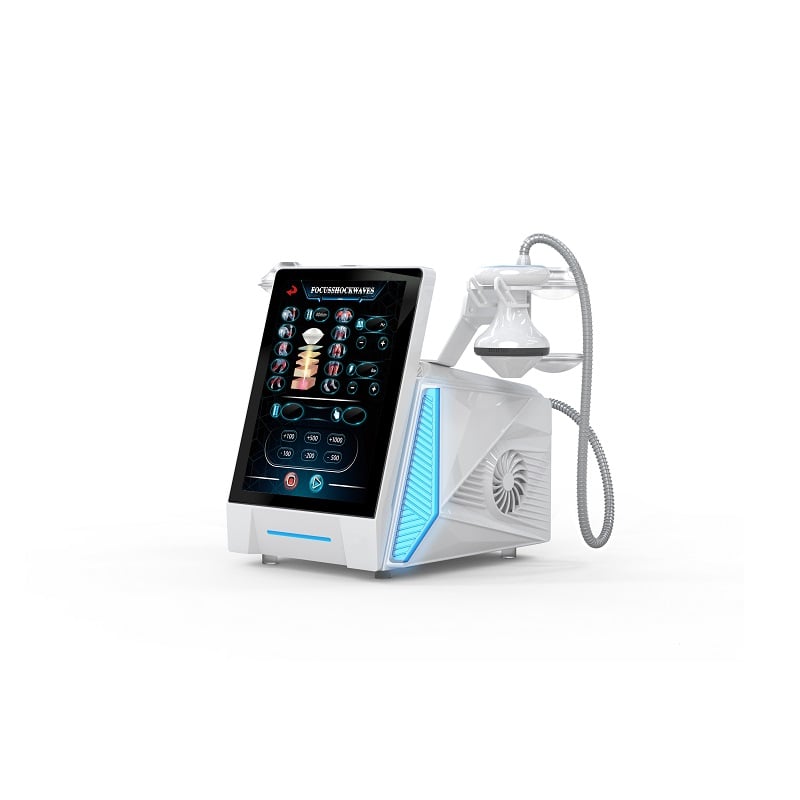
In practice, energy choices are considered alongside pulse frequency, applicator, coupling, and the clinician’s assessment. Extracorporeal shockwave devices can support different protocols, but a setting alone does not define a use. The aim is to match a controlled physical stimulus to a clinical objective within a broader musculoskeletal therapy plan.
Energy settings indicate the intensity delivered by a device under defined operating conditions. In shockwave therapy, clinicians interpret those settings in relation to the applicator and the tissue being addressed, rather than treating a displayed value as a universal dose. Extracorporeal shockwave systems may express output using device-specific measures, so protocols and values should be read in the context of the equipment documentation.
For shockwave treatment, a lower or higher setting is only one part of the intervention. The number of pulses, treatment frequency, anatomical site, and patient feedback also influence how a session feels and how it is delivered. In musculoskeletal therapy, the clinician should use energy choices to serve the intended target, not to pursue intensity for its own sake.
A conservative starting level can be appropriate when the treatment area is sensitive, the patient is new to the procedure, or tolerance is uncertain. The clinician can observe comfort and response before adjusting the dose. This does not mean that every mild complaint needs a low setting; it means that shockwave therapy should be adapted to the individual rather than applied as a fixed recipe.
A measured approach also supports communication. Before shockwave treatment, clinicians can explain the expected sensation, agree on a signal to pause, and clarify that discomfort is not a goal. Extracorporeal shockwave protocols should follow applicable training and device guidance, with adjustments documented so later sessions can be considered consistently.
When a target is relatively superficial or localized, the clinician considers whether the chosen applicator and energy setting can deliver an appropriate stimulus to that site. Shockwave therapy planning should account for anatomy and the precise location of symptoms, not just a broad diagnostic label. The patient’s response may help guide adjustments, but it does not replace clinical assessment.
For a focused treatment area, the practitioner may use controlled positioning and a consistent application pattern. Extracorporeal shockwave delivery requires suitable contact and coupling so the energy is transmitted as intended. During musculoskeletal therapy, these practical details matter because a well-chosen setting cannot compensate for poor placement or an unclear target.
A deeper target or broader region can change the device and protocol considerations. The clinician should check the equipment’s intended use, applicator characteristics, and relevant operating instructions before selecting energy. Shockwave treatment is not interchangeable across devices, and numerical values may not represent the same output on different systems.
A treatment plan may also change as tolerance and clinical findings evolve. Extracorporeal shockwave sessions should not be escalated automatically from one visit to the next; the reason for a change should be clear and related to the treatment objective. This is especially important in musculoskeletal therapy, where symptoms, function, and patient priorities may shift over time.
A practical energy progression starts with assessment, selects a reasonable initial setting, and checks the patient’s response during treatment. If the response is acceptable and the clinical rationale supports a change, the clinician can adjust gradually within the device guidance. Shockwave therapy should remain responsive to the person, rather than follow a preset assumption that more energy will produce a better result.
Reassessment can include comfort, symptom behavior, functional goals, and any unexpected reaction. A single immediate sensation does not establish the longer-term value of shockwave treatment, so clinicians should consider progress across visits and communicate realistic expectations. Recording the setting, application details, and response makes the next decision more informed.
Energy selection belongs within screening, informed consent, and professional judgment. Relevant precautions and contraindications depend on the patient, target area, and device instructions, so they should be reviewed before treatment. Extracorporeal shockwave equipment should be operated by appropriately trained personnel who understand its controls, maintenance requirements, and intended applications.
A useful decision is not simply whether to raise or lower a number. It is whether the planned stimulus remains appropriate given the target, the patient’s response, and the purpose of the session. In musculoskeletal therapy, that disciplined reasoning helps keep shockwave treatment specific, explainable, and consistent with the wider care plan.
No. A higher setting is not automatically more effective or suitable. The clinician should choose an energy level based on the target, device guidance, treatment objective, and patient tolerance, then reassess rather than increasing intensity by default.
The starting point depends on assessment, the treatment site, applicator, device instructions, and the patient’s history and comfort. Extracorporeal shockwave use should be tailored, with a clear reason for any adjustment and appropriate monitoring during the session.
Not reliably by number alone. Device design and measurement conventions can differ, so settings need to be interpreted using the relevant operating documentation. For musculoskeletal therapy, clinicians should compare treatment rationale and application details, not assume that matching values deliver equivalent stimulus.

