

 EN

how-frequency-ranges-differ-across-shockwave-machine-types, how-frequency-ranges-differ-across-shockwave-machine-types, /blog
EN
Frequency ranges help explain why different shockwave systems can feel and function differently in a treatment setting. A shockwave machine may offer a broad selection of pulse rates, while another is designed around a narrower operating band. Understanding that distinction supports better equipment evaluation and more consistent treatment planning.
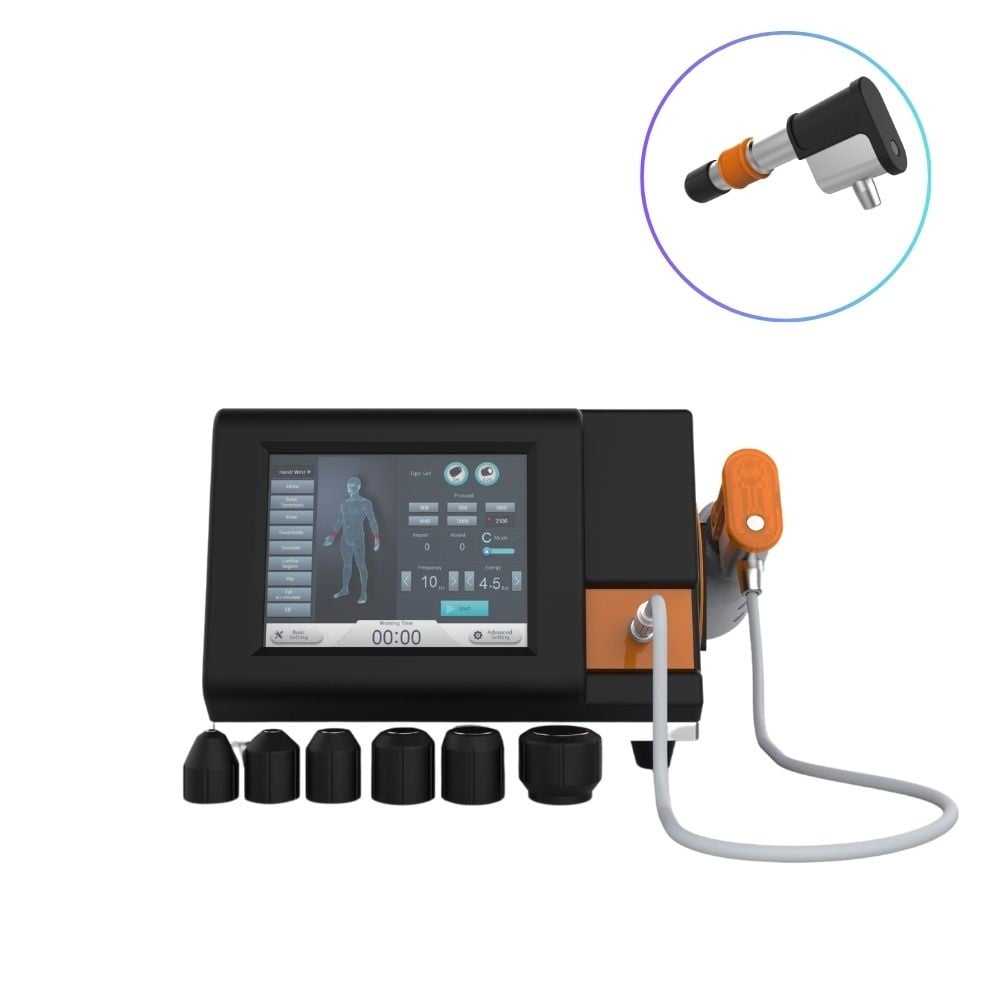
The key is not to treat frequency as a standalone measure of quality. A shockwave device’s range must be considered alongside its energy controls, applicator design, clinical protocol, and intended workload. For a clinic comparing a shockwave unit with another system, the practical question is how its available rates fit the procedures and users. This guide explains why machine types differ and how to interpret those differences in physiotherapy shockwave practice.
Frequency usually indicates how many pulses a system delivers per second, commonly expressed in hertz. A shockwave machine with a higher available rate can deliver pulses in quicker succession, but that fact alone does not establish that treatment is more effective. Clinicians still need to consider the selected energy, treatment area, patient response, and protocol.
A shockwave device may present frequency as a fixed setting, a selectable range, or part of a preset. Those interfaces reflect different control approaches rather than a simple ranking. Before comparing specifications, confirm whether the displayed value is adjustable and whether it applies across the full energy range. The same number can have different practical meaning across equipment.
For purchasing teams, a shockwave unit’s frequency specification is most useful when paired with the intended treatment workflow. A physiotherapy shockwave service treating varied cases may value flexibility, while a focused protocol may depend more on repeatable settings. Reviewing actual clinical tasks helps prevent a broad specification from being mistaken for a necessary feature.
Radial systems commonly use a projectile mechanism to transmit pulses through an applicator, while focused systems use a different method to generate and direct acoustic energy. A shockwave machine’s operating design influences its pulse characteristics and available frequency range. Therefore, frequency figures should be compared within the context of system type and intended use.
A shockwave device built around pneumatic or ballistic delivery may specify a pulse rate that reflects the mechanism’s operating cycle. Other designs can have distinct limits based on how energy is generated. A specification sheet should be read as a description of that particular architecture, not as a direct measure of performance across unlike technologies.
When assessing a shockwave unit, ask how the stated frequency behaves during a complete treatment session. In physiotherapy shockwave work, steady delivery, manageable controls, and clear feedback may be as relevant as the maximum rate. Staff should understand the device’s operating limits and follow its instructions instead of assuming every rate suits every application.
The mechanism, power delivery, cooling requirements, and control electronics all influence the frequency range a system can support. A shockwave machine is engineered as an integrated platform, so its pulse rate cannot be separated from the way it manages energy and heat. Differences in range can therefore reflect design priorities rather than a universal standard.
A shockwave device may also limit some combinations of frequency and energy. For example, the interface might offer a high rate only under particular settings, or a preset may constrain user adjustments. Buyers should check the operating manual and technical documentation to see which values are available together, not just the largest number shown in marketing material.
Applicator construction and intended treatment areas can affect how a shockwave unit is configured for clinical use. Physiotherapy shockwave protocols often require staff to make choices within defined clinical guidance, not simply increase pulse rate. Confirming compatible applicators, settings, and protocols helps a clinic assess whether the range addresses real treatment needs.
A maximum rate may matter when a service needs to complete suitable procedures efficiently, but a higher number is not automatically useful. A shockwave machine should support the expected pace without making operation harder to control. Consider appointment length, treatment duration, operator experience, and opportunities to check patient comfort during delivery.
In a busy clinic, a shockwave device with clear controls and reproducible settings can support a consistent workflow. Staff need to select the prescribed frequency quickly and verify it before use. Training should cover how the device signals active settings, how to pause delivery, and how to respond if treatment tolerance changes.
A shockwave unit used by several practitioners benefits from documented setup and cleaning procedures alongside agreed clinical protocols. Physiotherapy shockwave care depends on qualified assessment and appropriate treatment choices; a machine’s range does not replace professional judgment. Standardizing how staff record selected settings can also make handovers and routine equipment reviews clearer.
Start by identifying the conditions, treatment areas, and protocols the clinic plans to support. Then compare each shockwave machine’s adjustable range with those requirements, including any restrictions linked to energy or applicator choice. This approach keeps the assessment focused on clinical fit instead of making the widest advertised range the default winner.
Request clear documentation showing the available values, adjustment increments, and any preset behavior. For a shockwave device, details about control accuracy and how settings are displayed can clarify whether operators can reproduce a protocol. Ask for practical demonstrations using representative tasks, while ensuring that all treatment decisions remain within professional guidance.
A shockwave unit should also fit the team’s training level and patient population. In physiotherapy shockwave services, the ability to explain settings and monitor response is important for safe, consistent practice. Evaluate the user interface, instructions, and support for staff competency, not only the frequency figures printed on a specification sheet.
Check whether the machine maintains the selected settings throughout the planned session and whether it indicates faults or interruptions clearly. A shockwave machine’s practical range includes the settings operators can use reliably, not just its nominal endpoints. Ask how routine maintenance and calibration requirements are documented and incorporated into clinic procedures.
Confirm that a shockwave device’s specifications distinguish frequency from pulse energy and other operating parameters. These measures describe different aspects of delivery, so they should not be merged into a single performance judgment. Clear technical information helps clinical and procurement teams compare equivalent details and identify questions that need confirmation before implementation.
Finally, consider whether the shockwave unit can serve the clinic’s likely protocols as services develop, without assuming future needs or outcomes. Physiotherapy shockwave practice should guide the choice, along with staff feedback, workload, and documented equipment requirements. A measured review of range, usability, and operating constraints leads to a more defensible decision than selecting by maximum frequency alone.
No. A higher rate only describes quicker pulse delivery under applicable settings. A shockwave machine must be judged against its system design, energy controls, protocol, and clinical purpose. The best-suited range is the one that supports appropriate treatment and practical use, rather than the highest figure in isolation.
Different mechanisms, controls, and engineering constraints shape available settings. A shockwave device may also restrict frequency according to energy selection or applicator. Review the technical documentation to understand those conditions, then compare devices by equivalent operating information rather than comparing headline values alone.
Compare the stated range with established protocols, staff capability, workload, and relevant operating limits. A shockwave unit should provide clear controls and usable documentation. In physiotherapy shockwave practice, qualified clinical assessment remains central; the frequency range supports the workflow but does not determine treatment choice.

