

 EN

how-ice-cooling-technology-shapes-diode-laser-treatment-comfort, how-ice-cooling-technology-shapes-diode-laser-treatment-comfort, /blog
EN
Ice cooling shapes diode laser treatment comfort by helping protect the skin surface while laser energy is delivered to the hair follicle. In a diode laser hair removal machine, cooling is not simply an add-on: it affects how the handpiece contacts the skin, how treatment feels, and how steadily an operator can work across an area. Understanding that relationship helps clinics assess comfort as part of the full treatment process.
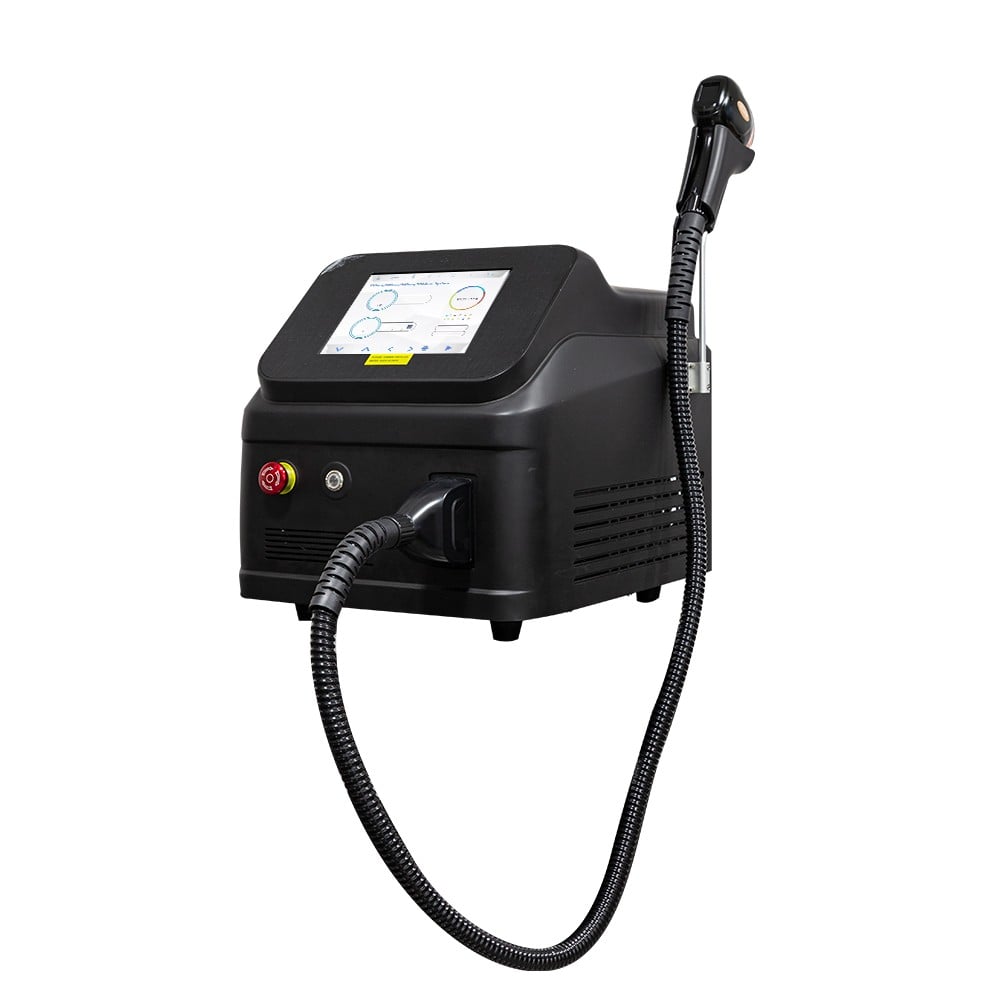
The practical effect depends on more than a cooling label. Contact quality, treatment pace, settings, skin assessment, and communication all contribute to the experience. Whether a clinic is evaluating a hair removal laser, an 808nm diode laser, or a professional hair removal device, it should consider how cooling works during actual handpiece movement and what operating habits are needed to use it appropriately.
A diode laser hair removal machine directs light toward pigment in the hair, while the handpiece cooling surface helps manage heat at the skin contact point. The intended balance is to cool the surface without treating cooling as a substitute for suitable settings or careful technique. A hair removal laser therefore needs to be considered as a system: energy delivery and skin contact work together, and neither alone determines comfort.
With an 808nm diode laser, the wavelength is selected for hair-removal applications, but the sensation can still vary between clients and body areas. Ice cooling may make contact feel more tolerable by creating a cool surface sensation as the operator moves the handpiece. A professional hair removal device should allow the operator to maintain controlled contact and follow its instructions, rather than encouraging a faster pace than the treatment area permits.
Comfort also depends on consistent contact. When a diode laser hair removal machine is held evenly against the skin, its cooling surface can perform as intended across the treatment zone. With a hair removal laser, uneven pressure or rushed movement may create inconsistent sensations, so operators should use a measured pattern and check in with the client as they progress.
A clinic evaluating an 808nm diode laser can observe how the cooling surface feels during repeated passes and whether the handpiece remains manageable for the operator. A professional hair removal device should support a predictable workflow, but client feedback remains essential because tolerance differs. If discomfort changes, the operator should pause, reassess the area and settings, and follow the device protocol instead of assuming cooling alone will resolve the issue.
Cooling performance is affected by preparation and equipment condition. Before using a diode laser hair removal machine, staff should inspect the contact surface, confirm the unit is ready according to its instructions, and prepare the skin using the clinic’s established process. A hair removal laser cannot provide a consistent contact experience if the handpiece is dirty, damaged, or used contrary to its maintenance guidance.
For an 808nm diode laser, clear operating procedures help staff handle cooling in the same careful way across appointments. The professional hair removal device should be maintained according to its documentation, with checks recorded when required by clinic policy. These steps do not promise a particular sensation, but they help identify equipment issues early and support consistent, responsible treatment practice.
Cooling should be considered alongside client assessment, not used to justify unsuitable energy settings. Operators using a diode laser hair removal machine need to follow training, device guidance, and applicable clinical protocols when selecting parameters. With a hair removal laser, appropriate pacing gives staff time to observe the skin and ask about sensation rather than focusing only on completing an area quickly.
A professional hair removal device is only as useful as the decisions made during its operation. Before treating with an 808nm diode laser, staff should consider the client’s needs, the area being treated, and any factors identified through consultation. Cooling can contribute to the comfort strategy, while careful assessment and communication help the operator decide when to continue, adjust within protocol, or stop and review.
During an equipment review, clinics can examine how the diode laser hair removal machine integrates cooling into routine movement. Ask how the contact surface is prepared, how operators are trained to maintain contact, and what steps are recommended if a client reports increased discomfort. A hair removal laser demonstration should make these practical details visible instead of relying on general descriptions of comfort.
An 808nm diode laser should be assessed in the context of intended clinical use, operator workflow, and the device instructions. Observe whether the cooling interface is accessible for cleaning and whether staff can handle the handpiece steadily. Evaluating a professional hair removal device this way gives the clinic more useful information than judging only a brief first impression of the cool surface.
No cooling feature removes the need to explain that sensations can vary. When introducing a diode laser hair removal machine, clinics should describe cooling as one part of treatment management, not a guarantee of a pain-free session. A hair removal laser appointment still requires consultation, informed communication, suitable parameter selection, and observation throughout the procedure.
The same realistic framing applies when an 808nm diode laser is incorporated into a clinic’s service workflow. Staff should understand the cooling function and its limits, then explain the process in clear terms. A professional hair removal device can support a considered approach when its cooling, contact method, maintenance needs, and operating guidance fit the clinic’s training and care standards.
Ice cooling helps manage the skin-contact experience during treatment, but comfort also depends on the client, treatment area, settings, and operator technique. A diode laser hair removal machine should be used according to its instructions, with staff checking client feedback rather than relying on cooling alone.
No. Sensation can differ with individual tolerance, the area being treated, and treatment parameters. A hair removal laser operator should explain what to expect, monitor responses, and follow clinic protocols if the client reports discomfort.
Review handpiece contact, preparation and cleaning requirements, maintenance guidance, and staff training. A professional hair removal device should fit the clinic’s workflow and be assessed using realistic operating conditions, not a cooling feature in isolation.

