

 EN

how-laser-pulses-interact-with-different-skin-tones-and-hair-types, how-laser-pulses-interact-with-different-skin-tones-and-hair-types, /blog
EN
Laser pulses do not affect every client in the same way. Skin pigment, hair color, hair thickness, and the condition of the treatment area influence how energy is absorbed and how carefully a practitioner must select settings. A diode laser hair removal machine works by directing light toward pigment in the hair, so understanding the contrast between skin and hair is central to assessment.
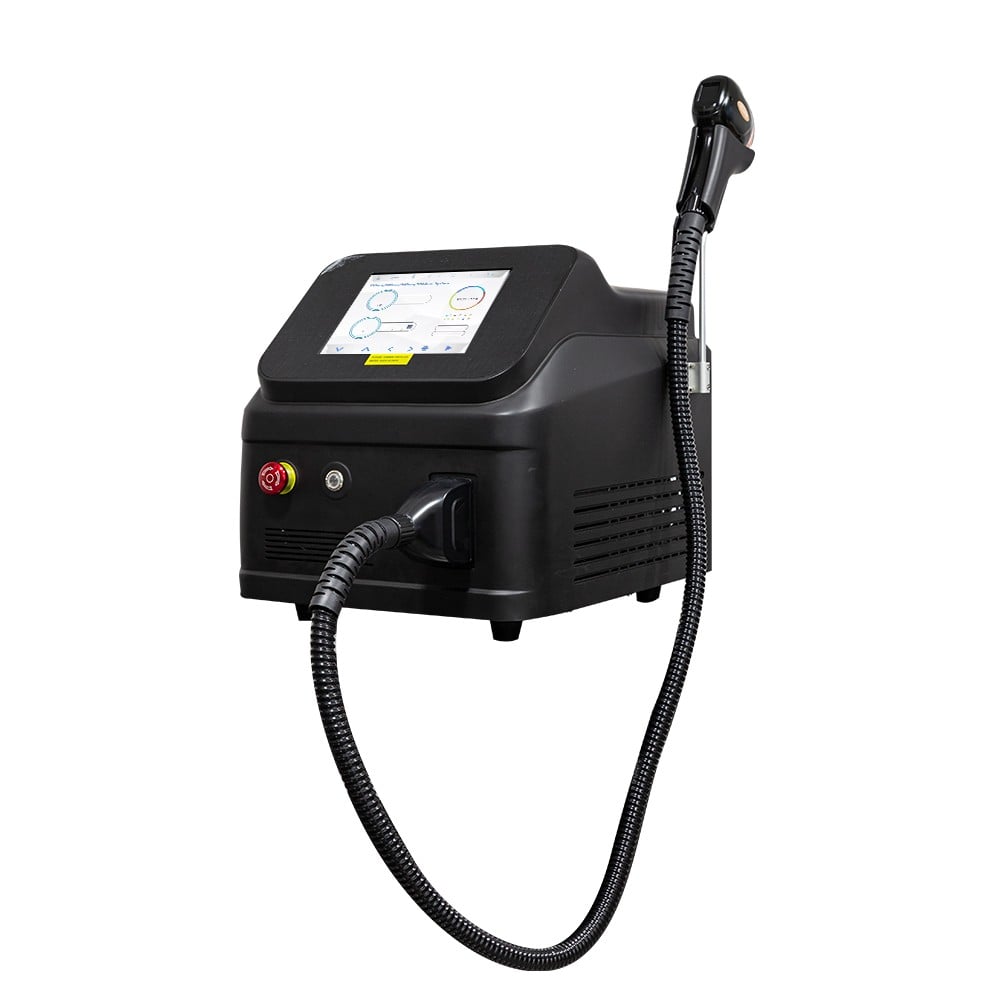
This interaction explains why a hair removal laser must be used with a client-specific plan rather than a single setting for everyone. Wavelength, pulse duration, fluence, cooling, and treatment technique all contribute to the response. Knowing how these variables relate helps clinics set realistic expectations, reduce avoidable discomfort, and decide when an alternative approach or further assessment is appropriate.
Melanin is the target pigment that allows a laser to heat the hair structure, but it is also present in the epidermis. A hair removal laser must therefore deliver useful energy to the follicle while limiting unnecessary heating at the skin surface. With darker or recently tanned skin, more epidermal pigment may compete for the light, so careful consultation and conservative parameter selection matter.
A diode laser hair removal machine is not a substitute for assessing skin tone, recent sun exposure, medication use, or a history of pigment changes. Practitioners should follow device instructions, screen for contraindications, and use a test spot when appropriate under their clinical protocol. A professional hair removal device should offer controllable settings and clear operating guidance, but safe use still depends on training and judgment.
An 808nm diode laser is commonly discussed for hair reduction because its wavelength can reach structures below the skin surface while interacting with melanin. That does not mean the same fluence or pulse duration fits every complexion. The operator must consider the client, body area, hair characteristics, and the device’s instructions together, then adjust only within validated operating limits.
Cooling can help protect the skin surface and improve comfort during a session, but it does not eliminate the need for sound parameter choices. A professional hair removal device with integrated cooling should be evaluated for how the cooling system is operated, maintained, and monitored. For a diode laser hair removal machine, consistent contact, clean treatment surfaces, and suitable eye protection are practical parts of the safety process.
Hair with more pigment generally provides a clearer optical target than very light, gray, white, or red hair, which may contain less of the pigment the laser relies on. Coarse hair can absorb more energy than fine hair, although the actual response also depends on depth, density, growth stage, and location. A hair removal laser can reduce growth over a series of sessions, but clients should not be promised identical results across hair types.
An 808nm diode laser may be considered for suitable dark hair, but operators still need to match settings to the treatment area and client history. Fine facial hair, for example, can behave differently from coarse hair on a larger body area. Before treatment, a diode laser hair removal machine should be used only after the practitioner has confirmed that the hair and skin combination is appropriate for the technology and protocol.
Laser energy is most useful when a hair is in a growth phase that provides an effective connection to its follicle. Because hairs in one area do not all grow in sync, one appointment is rarely enough to address every visible hair. A professional hair removal device is used as part of a planned course, with spacing based on the body area, observed regrowth, and clinical guidance rather than an arbitrary schedule.
Clients should understand that shedding after treatment is gradual and that temporary redness or sensitivity can occur. Practitioners can explain expected changes, aftercare, and when to report an unexpected reaction. An 808nm diode laser is only one part of the decision; pulse delivery, cooling, operator technique, and follow-up all shape the experience. A hair removal laser should not be applied over irritated or unsuitable skin.
A useful assessment records natural skin tone, recent tanning, hair color and thickness, treatment area, relevant medications, and prior responses to light-based procedures. The practitioner can then explain likely benefits and limitations in plain language. A diode laser hair removal machine should be selected and configured according to its manual and the clinic’s established protocol, not by copying another client’s settings.
The consultation should also identify expectations that need clarification. Clients may assume that all hair disappears permanently or that every hair color responds equally; neither assumption is a sound basis for consent. A professional hair removal device supports a controlled procedure, while the practitioner remains responsible for screening, documentation, hygiene, protective eyewear, and checking the skin during treatment.
During a session, the operator should observe the skin’s response and ask about discomfort, following the manufacturer’s instructions for acceptable endpoints and action thresholds. Unexpected pain, marked irritation, or an abnormal reaction calls for stopping and reassessing rather than pushing through. An 808nm diode laser should be operated within specified ranges, with settings changed deliberately and documented for later visits.
Aftercare guidance should cover sun protection, avoiding irritating products when advised, and signs that require clinical follow-up. A hair removal laser appointment is part of an ongoing process, so notes about settings, hair response, and skin changes can improve continuity. Choosing a professional hair removal device involves reviewing its controls, training requirements, cooling, service needs, and documentation as well as its wavelength. These details help a clinic build a consistent, client-centered workflow.
No. Skin pigment, tanning, hair characteristics, and treatment area affect the risk and response. A diode laser hair removal machine should be set for the individual within the device instructions and the practitioner’s training, with assessment before treatment.
Light, gray, white, and some red hair may have too little target pigment for predictable response. A hair removal laser consultation should clarify suitability and avoid promising the same outcome as for darker, coarser hair.
Review operating guidance, adjustable controls, cooling procedures, maintenance, training, and safety requirements. The 808nm diode laser is one consideration, but client screening and careful monitoring remain essential for responsible treatment.

